ADVERTISEMENT
1. **Prepare Your Steak**
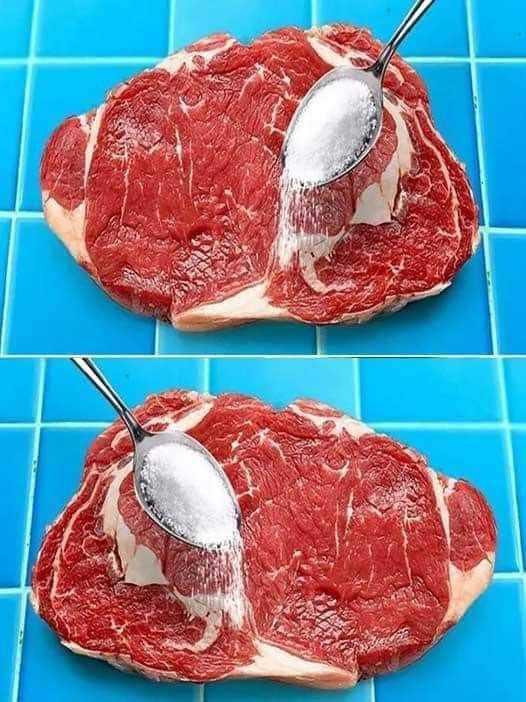
Start with a steak that is fresh or properly thawed if frozen. Pat the steak dry with paper towels. This is crucial because excess moisture on the steak’s surface can interfere with seasoning and searing. You want the surface of the steak to be as dry as possible for a good sear.
2. **Salt the Steak Generously**
Rub kosher salt all over the steak. The salt acts as a natural tenderizer, drawing moisture out and then reabsorbing it along with some of the salt, which helps to break down the meat’s proteins. Be sure to salt the steak at least 30 minutes before cooking—or even better, a few hours prior. This resting time allows the salt to penetrate the meat, helping to tenderize it.
4. **Massage the Oil Into the Meat**
Drizzle the olive oil (or melted butter) over the steak and massage it into the meat. This helps to distribute the rub evenly and adds a rich flavor and moisture that will complement the tenderness achieved through salting and resting.
5. **Let It Rest**
Now, here’s the key to the tenderization process: let your steak rest! Allow the seasoned steak to sit at room temperature for at least 30 minutes, or even longer if possible (up to 2 hours). The salt will continue to penetrate the meat and break down the fibers, making it more tender. During this time, you can also prepare your sides or heat your grill or pan for cooking.
7. **Cook to Your Desired Doneness**
Once the steak has rested, it’s time to cook it! Whether you’re grilling, pan-searing, or broiling, make sure your pan or grill is preheated to high heat before placing the steak on it. Cooking on high heat helps seal in the juices and gives you a delicious crust on the outside while keeping the inside tender and juicy. Depending on the thickness of the steak, cook it to your preferred doneness, whether that’s rare, medium-rare, or well-done.
9. **Slice and Serve**
When it’s time to slice, be sure to cut against the grain (the direction the muscle fibers run) to maximize tenderness. The shorter muscle fibers make for a more tender, easy-to-chew steak.
– **Don’t Skip the Resting Time**: While it may seem tempting to cook right away, giving the steak time to rest and absorb the salt and seasoning is crucial for achieving that tender, flavorful result.
– **Choose the Right Cut**: While this tenderizing method works on all cuts of steak, it’s especially effective for tougher cuts like flank, skirt, or round steak. For naturally tender cuts like ribeye or filet mignon, this method can enhance the flavor but isn’t strictly necessary.
– **Don’t Overcook**: Overcooking a steak can make it tough, no matter how much tenderization you do beforehand. Use a meat thermometer to check for your desired doneness and avoid drying out the steak.
### Why This Method Works
### Conclusion
Ready to tenderize your steak like a pro? Give this method a try and prepare to fall in love with every juicy, flavorful bite!
