ADVERTISEMENT
1. **Activate the Yeast**
In a small bowl, combine the **warm water**, **sugar**, and **yeast**. Stir gently and let it sit for about 5-10 minutes until the mixture becomes frothy. This step is essential for making sure your yeast is active and ready to help the dough rise.
3. **Combine Wet and Dry Ingredients**
Once the yeast mixture is frothy, add it to the bowl of dry ingredients along with the **olive oil** and **honey** (if using). Mix with a spoon or your hands until a rough dough forms. If the dough feels too dry, add a little more water, one tablespoon at a time. If it’s too wet, sprinkle in a little more flour. You’re aiming for a dough that’s soft, but not sticky.
4. **Knead the Dough**
Turn the dough out onto a lightly floured surface and begin kneading. Knead for about **8-10 minutes**, adding a little flour as needed, until the dough becomes smooth, elastic, and slightly tacky to the touch. You can also use a stand mixer with a dough hook attachment for this step.
6. **Shape the Dough**
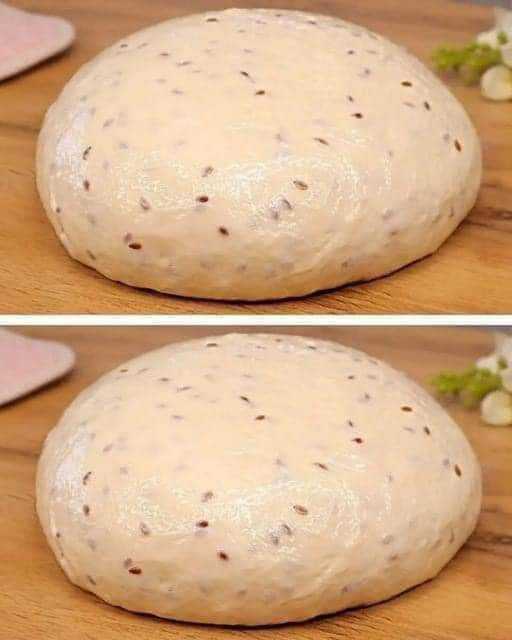
After the dough has risen, punch it down gently to release the air bubbles. Turn it out onto a floured surface and shape it into a round or oval loaf, depending on your preference. You can also shape it into a **boule** (round) or **batard** (oval) style, both of which are traditional artisan shapes.
7. **Second Rise**
Place your shaped dough onto a piece of parchment paper and cover it again with a cloth. Let it rise for another **1 hour** at room temperature, or until it has puffed up significantly. You can also refrigerate it overnight for a longer, slower fermentation to develop deeper flavors.
9. **Slash the Dough**
Once the dough is ready to bake, use a sharp knife or a razor blade to make a few shallow slashes on the top of the dough. This will help the bread expand evenly while baking.
11. **Cool and Slice**
Once baked, remove the bread from the oven and let it cool completely on a wire rack. This is important because it allows the interior to set properly. Once cooled, slice and enjoy!
– **Add Extra Seeds**: Feel free to get creative with the types of seeds you add to the dough. A combination of **pumpkin seeds**, **chia seeds**, or even a mix of **herbs** like rosemary can add unique flavors.
– **Use a Dutch Oven**: If you want that signature **crusty artisan look** with a soft, airy interior, a Dutch oven is your best friend. It traps steam and creates the perfect baking environment, ensuring your bread has a crispy crust and chewy crumb.
– **Cool Before Cutting**: While it’s tempting to slice into your freshly baked bread, give it at least **30 minutes** to cool. Cutting too soon can result in a gummy texture because the steam is still escaping from the bread.
### Conclusion: Why This Seeded Artisan Bread Is Worth the Effort
This bread is perfect for everything from sandwiches to dipping into soups or simply enjoying with a little butter. With its rustic appearance and rich, hearty flavor, this seeded artisan bread is a true crowd-pleaser that’ll make you feel like a baker in a European café. So, roll up your sleeves, get your hands into that dough, and enjoy the delicious, satisfying process of making your very own **artisan bread**!
