ADVERTISEMENT
### Step 1: Prepare the Dry Ingredients
In a large mixing bowl, whisk together the flour, sugar, baking powder, and salt. These simple dry ingredients are the base of your bread dough.
### Step 2: Cut in the Cold Butter
Add the cold, cubed butter to the dry ingredients. Using a pastry cutter, two forks, or your hands, work the butter into the flour mixture until it resembles coarse crumbs with pea-sized pieces of butter. The key to flaky bread is keeping the butter cold and not overworking the dough. If you don’t have a pastry cutter, you can pulse the mixture a few times in a food processor.
### Step 4: Knead the Dough
Turn the dough out onto a lightly floured surface and gently knead it a few times (about 5-6 times) to bring it into a ball. Be mindful to handle it as little as possible to preserve the flaky texture.
### Step 5: Roll and Fold for Flaky Layers
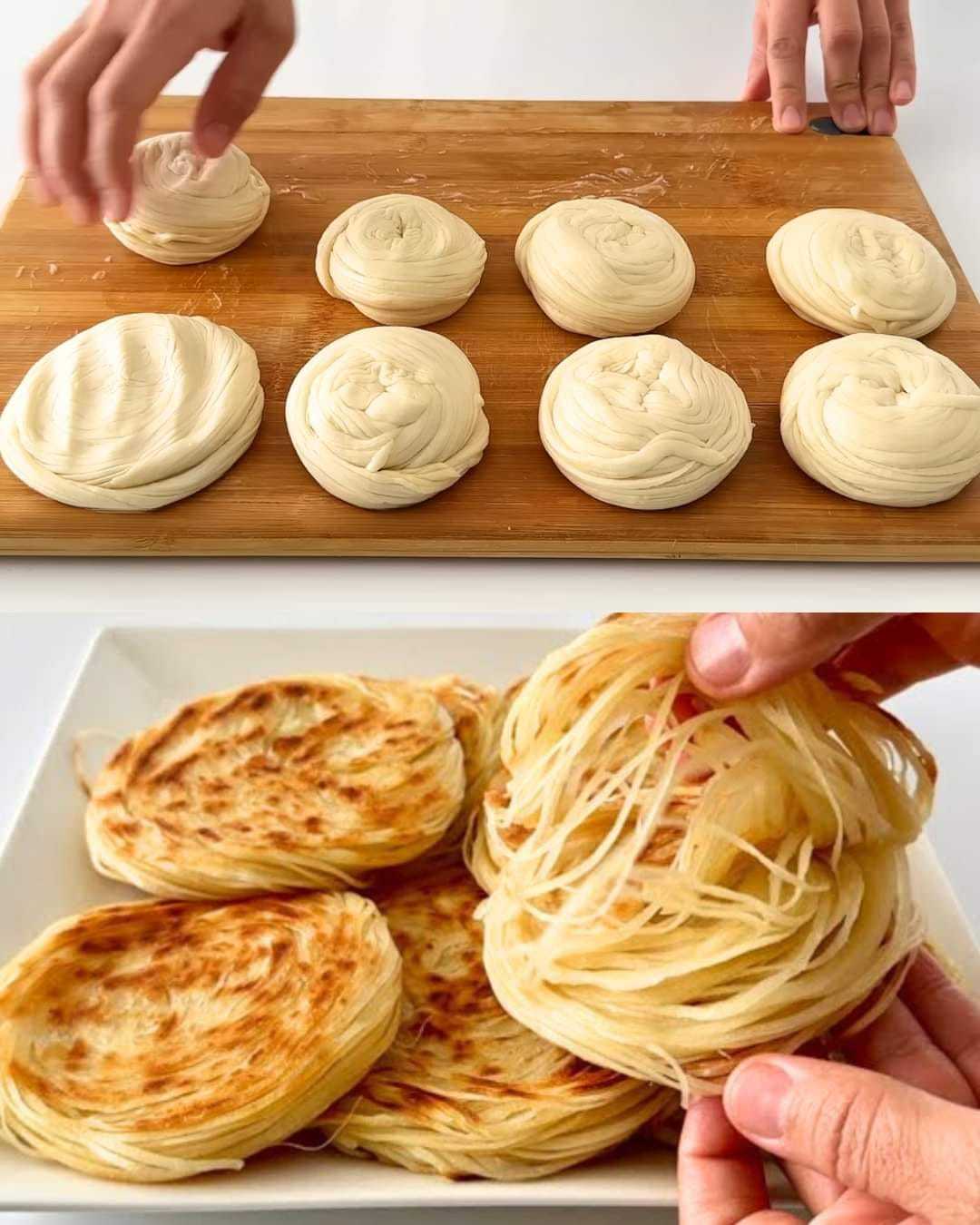
Once the dough is formed, use a rolling pin to roll it into a rectangle, about 1/2-inch thick. Now comes the secret to the flaky layers: fold the dough like a letter. Take one side of the dough and fold it over to the middle, then fold the other side on top, creating a 3-layer fold. Rotate the dough 90 degrees and roll it out again into a rectangle. Repeat the folding and rolling process two more times. This creates those signature flaky layers that will puff up as the bread bakes.
### Step 7: Brush with Egg Wash (Optional)
For a golden, shiny crust, beat the egg and brush it over the top of the dough. This step is optional but adds a nice touch to the bread’s appearance.
### Step 9: Cool and Serve
Allow the bread to cool for a few minutes before slicing. The bread should be soft, flaky, and easy to pull apart. Serve it warm with butter, jam, or your favorite breakfast spreads.
1. **Use Cold Butter**: The key to a flaky texture is using cold butter. You can even chill the flour and mixing bowl in the freezer for a few minutes before starting to help keep everything cold.
2. **Don’t Overmix**: When adding the milk, stir gently until the dough just comes together. Overworking the dough can result in a denser, less flaky bread.
3. **Flour Your Surface Generously**: When rolling out the dough, use plenty of flour on your work surface and rolling pin to prevent sticking.
4. **Experiment with Flavors**: Feel free to add your favorite herbs, spices, or cheese between the layers to customize the bread to your taste. Fresh rosemary or thyme gives the bread a savory, aromatic twist.
5. **Make Mini Breads**: If you prefer individual portions, divide the dough into smaller pieces and shape them into rounds or smaller loaves. Bake them for a slightly shorter time—about 15-18 minutes.
## Serving Ideas for Flaky Breakfast Bread
## Variations to Try
### 1. **Herb and Cheese Breakfast Bread**:
Add a handful of finely chopped fresh herbs (like rosemary, thyme, or parsley) and a sprinkle of grated cheese (cheddar, Parmesan, or mozzarella) between the layers for a savory version of this bread.
### 3. **Garlic Butter Breakfast Bread**:
Brush the dough with garlic butter before folding, and then bake. You’ll have a garlic-infused, flaky bread perfect for pairing with eggs or enjoying on its own.
This **Flaky Breakfast Bread** is a simple, yet indulgent recipe that brings warmth and comfort to any breakfast table. With its buttery layers and soft, tender crumb, it’s a versatile bread that can be enjoyed in many different ways—whether as a side to eggs and bacon, topped with jam, or eaten as a standalone treat with a cup of coffee.
Making this bread from scratch is easier than it sounds, and the end result is well worth the effort. So next time you want to impress your family or guests with a delicious homemade breakfast, whip up a batch of this flaky, golden bread and watch it disappear in no time!
