ADVERTISEMENT
**If You Spot These Holes in Your Clothes, Here’s What You Need to Know!**
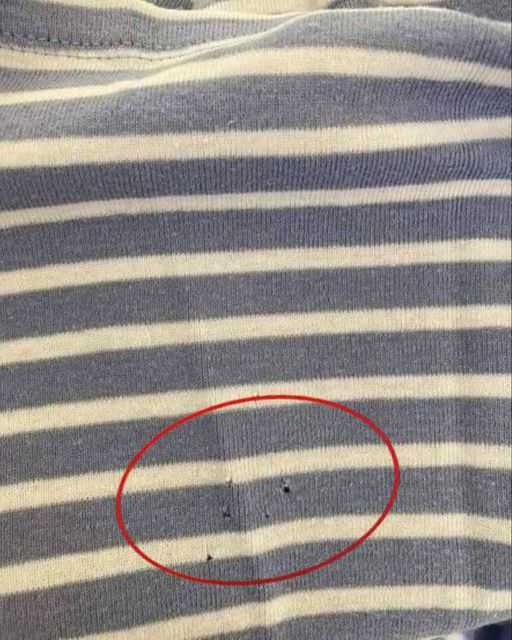
Holes in clothing can occur for various reasons, some of which may surprise you. Understanding the cause of these holes can help you take the proper steps to address the issue, preserve your clothing, and even prevent it from happening in the future.
### Common Types of Holes in Clothes and What They Mean
#### 1. **Moth Holes**
– **Appearance**: Small, round, or irregular-shaped holes often found in wool, cashmere, and other natural fibers.
– **Cause**: Moths, specifically the larvae of clothes moths, are notorious for causing damage to fabrics. They feed on natural fibers, creating holes in clothing over time.
– **Solution**: To prevent moth damage, store your clothes in airtight containers or bags when they’re not in use. Use mothballs, cedar blocks, or lavender sachets to deter moths. If you notice moth holes, gently wash and dry-clean affected garments. You can also repair the holes with patches or by darning the fabric.
#### 2. **Fraying from Washing or Drying**
– **Appearance**: Small holes around the seams or edges of clothing, often near the hem or collar.
– **Cause**: Repeated washing, drying, or rough handling of clothing can cause fabric fibers to break down. This fraying typically happens with delicate fabrics or after many washes.
– **Solution**: To prevent fraying, avoid using harsh detergents or high-heat settings when drying. Turn clothes inside out before washing, and use gentle cycles. For existing frays, consider stitching the edges or using fabric glue to seal the raw edges.
#### 4. **Button or Zipper Damage**
– **Appearance**: Small holes near or around the buttonholes or zipper area of your clothing.
– **Cause**: Buttons or zippers that aren’t securely sewn can tug at the fabric, causing small tears or holes. The friction caused by zippers or even poorly aligned buttons can weaken the fabric.
– **Solution**: Check your buttons and zippers before washing or wearing clothing. Reinforce or replace any loose buttons or broken zippers. If you find holes near these areas, reinforce them with extra stitching or add a fabric patch for support.
#### 6. **Abrasion from Objects**
– **Appearance**: Small, jagged holes along the fabric where rubbing or friction has occurred, often on the inner thighs of pants or at the wrists of shirts.
– **Cause**: This damage is commonly caused by rubbing against rough surfaces or objects. For example, jeans that rub against the inside of a car seat, shoes that scrape against the fabric, or wearing bags with rough straps can cause fabric to wear thin.
– **Solution**: Pay attention to high-contact areas of your clothing. If you know certain items tend to cause wear, apply patches or reinforcements to those areas. For existing holes, a fabric patch or creative stitching may help extend the life of your garment.
Once you’ve identified the cause of the holes, the next step is repairing them. Here are some ways to mend those pesky holes:
#### 1. **Sewing the Hole**
If the hole is small and the fabric is in good condition, sewing is often the easiest and most effective solution. Use a needle and matching thread to sew the hole closed with small, neat stitches. You can even use a sewing machine for a quicker repair.
3. **Darning**
Darning is a technique used to repair holes, particularly in knitted or woven fabrics. It involves weaving a new thread back and forth over the damaged area. This technique works well on wool, cotton, and some synthetics.
For Complete Cooking STEPS Please Head On Over To Next Page Or Open button (>) and don’t forget to SHARE with your Facebook friends
