ADVERTISEMENT
#### 1. **Heat the Milk**:
– Pour the **whole milk** into your large pot and place it over medium heat.
– Gently heat the milk to **85°F (29°C)**, stirring occasionally to prevent it from scorching. Use a thermometer to keep track of the temperature.
#### 2. **Add the Vinegar**:
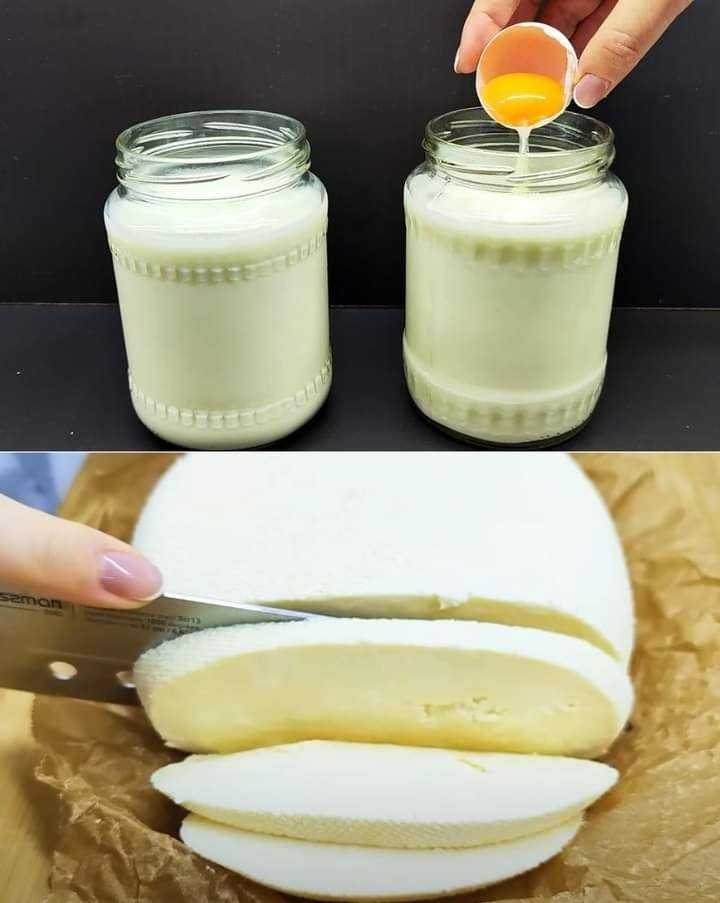
– Once the milk reaches 85°F, add the **white vinegar** (or lemon juice). Stir gently for about 1-2 minutes. The acid will start the process of curdling the milk, causing it to separate into curds (solid) and whey (liquid).
– If the milk doesn’t fully separate after a few minutes, you can add a little more vinegar or lemon juice and stir again.
#### 4. **Cut the Curds**:
– After the resting period, the curds should have formed a firm, gel-like texture. Take a knife and gently cut the curds into **1/2-inch cubes**. This helps the curds release more whey as they are drained.
#### 5. **Cook the Curds**:
– Place the pot back on the stovetop over low heat, and gradually raise the temperature to **105°F (40°C)**. Stir the curds gently once or twice during this process to ensure they heat evenly.
– Once the curds reach the target temperature, let them cook at that temperature for another **30 minutes**, stirring occasionally.
#### 7. **Season the Cheese**:
– Once the curds are drained, return them to the pot or a bowl. Sprinkle in some **salt** to taste and mix it well with your hands or a spoon. You can also add herbs or spices at this point if you want to flavor your cheese, such as garlic powder, pepper, or crushed red pepper flakes.
#### 9. **Store the Cheese**:
– Once pressed, remove the cheese from the cheesecloth and place it in an airtight container. Store your homemade cheese in the refrigerator for up to **5-7 days**. For a softer cheese, you can eat it fresh, or for a firmer texture, let it sit in the fridge for a day or two.
– **Cost-Effective**: Making cheese at home is much cheaper than buying specialty cheeses at the store. With just a few inexpensive ingredients, you can create a large batch of fresh cheese that will last for several days.
– **Customizable**: You can flavor your homemade cheese however you like. Add herbs, spices, garlic, or even truffle oil to create a variety of unique cheeses suited to your tastes.
– **Freshness**: Homemade cheese tastes fresher than anything you can buy at the store, with a creaminess and richness that’s hard to beat.
– **Perfect for Any Dish**: Use your homemade cheese in pasta dishes, on sandwiches, in salads, or as a snack. It’s perfect for topping pizzas or mixing into casseroles.
– **Use Good Quality Milk**: The milk you use will greatly affect the final flavor and texture of your cheese. If possible, choose **local, organic** milk, as it tends to produce better results.
– **Experiment with Flavors**: Once you get the hang of making cheese, try adding different ingredients to the curds before pressing. A bit of **rosemary**, **cracked pepper**, or **sun-dried tomatoes** can give your cheese unique flavors.
– **Be Mindful of Temperature**: Keeping an eye on the temperature of your milk is essential. Too high or too low of a temperature can cause the curds to not form properly, resulting in a less desirable texture.
### Conclusion:
Making **homemade cheese** may seem like a complex process at first, but once you’ve gone through it a couple of times, it becomes second nature. The satisfaction of creating your own fresh cheese, the ability to customize it to your liking, and the cost savings make it well worth the effort. Whether you’re enjoying it as a spread on crackers, crumbled over pasta, or just nibbling on it with a glass of wine, your homemade cheese is sure to be a crowd-pleaser. So, roll up your sleeves and dive into the world of cheese-making—your taste buds will thank you!
