ADVERTISEMENT
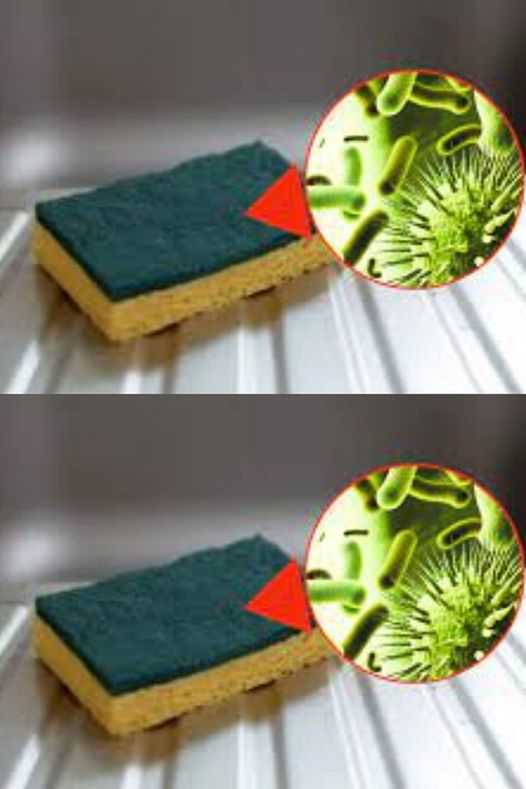
2. **Mold and Mildew**: The moist environment of a sponge is perfect for mold and mildew growth, especially if the sponge is not allowed to dry properly between uses. Mold and mildew can cause unpleasant odors and even health problems if left unchecked.
3. **Wear and Tear**: As you use your sponge, it starts to break down, and the material can become less effective at cleaning. It may develop visible signs of wear, such as fraying or tearing. A worn-out sponge will not clean as effectively and can leave behind dirt and bacteria.
### Signs It’s Time to Change Your Sponge
While the 2-week rule is a general guideline, there are a few signs to watch out for that indicate it’s time to replace your sponge sooner:
### Tips for Extending the Life of Your Sponge
1. **Rinse Thoroughly After Each Use**: Rinse your sponge thoroughly with hot water after each use to remove food particles and soap residue. This helps reduce bacterial buildup.
3. **Disinfect Your Sponge**: You can disinfect your sponge every few days by soaking it in a mixture of water and vinegar or microwaving it damp for 1-2 minutes. This can help kill germs and extend the sponge’s life.
4. **Use Separate Sponges for Different Tasks**: Consider designating different sponges for specific tasks, such as one for dishes and one for cleaning countertops or wiping down surfaces. This can prevent cross-contamination and keep your sponges cleaner for longer.
### Conclusion
In short, you should aim to replace your dish sponge every 2 weeks to prevent bacteria, mold, and odors from building up. Regularly replacing your sponge ensures that you’re using a clean tool to wash your dishes, which is essential for maintaining a safe and hygienic kitchen. By following these guidelines and keeping an eye on the condition of your sponge, you can help keep your kitchen as clean as possible and avoid any unwanted bacteria from making its way into your food.
