ADVERTISEMENT
### All-Natural Ways to Keep Your Home Pest-Free: Eco-Friendly Solutions for Every Room
—
### 1. **Essential Oils: Nature’s Pest Repellent**
**Effective Oils for Repelling Pests:**
– **Peppermint oil**: Known for its strong scent, peppermint oil is effective against ants, spiders, mice, and even cockroaches.
– **Tea tree oil**: Great for deterring mosquitoes and flies.
– **Lavender oil**: A calming scent for humans, but mosquitoes, moths, and flies aren’t fans.
– **Eucalyptus oil**: Works well to keep mosquitoes, flies, and cockroaches at bay.
**How to Use:**
– Create a natural spray by mixing 10-15 drops of your chosen essential oil with water in a spray bottle. Shake well and spray around entry points, windows, and corners where pests tend to hide.
– For ants, add a few drops of peppermint oil directly to their trail, or soak a cotton ball in tea tree oil and place it in areas where ants are frequent.
### 2. **Vinegar: A Multi-Purpose Pest Fighter**
**How to Use:**
– **For ants**: Create a mixture of equal parts vinegar and water and spray it along ant trails and around entry points.
– **For fruit flies**: Set up a simple trap by placing a small amount of apple cider vinegar in a bowl, covering it with plastic wrap, and poking a few small holes. Fruit flies will be drawn to the scent and become trapped inside.
– **For spiders**: Wipe down areas where spiders tend to hang out, such as windowsills and corners, with a mixture of vinegar and water to discourage them from returning.
### 3. **Diatomaceous Earth: A Natural Insect Killer**
Diatomaceous earth (DE) is a fine powder made from the fossilized remains of tiny aquatic organisms called diatoms. It’s non-toxic to humans and pets but deadly to insects with exoskeletons, such as ants, bedbugs, fleas, and cockroaches. DE works by piercing the exoskeletons of these pests, dehydrating them, and ultimately killing them.
—
### 4. **Citrus Peels: A Natural Deterrent**
**How to Use:**
– Simply place fresh citrus peels near windows, doors, and other entry points where pests might enter.
– For ants, scatter small pieces of lemon or orange peel along their trail.
– Alternatively, you can rub citrus peels on areas where spiders like to build webs.
### 5. **Cinnamon: A Sweet-Smelling Pest Repellent**
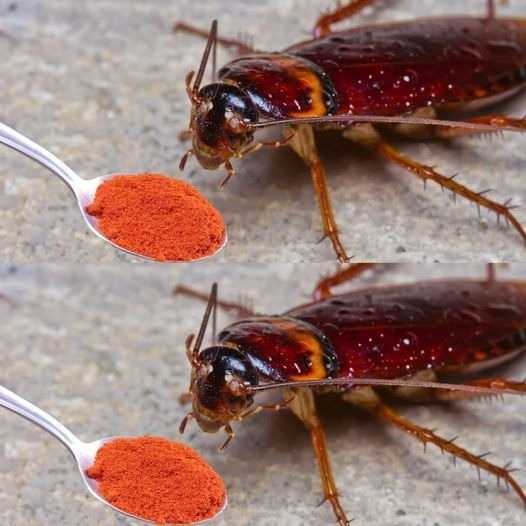
Cinnamon is not only a delicious spice, but it also works as a natural repellent for ants, cockroaches, and other insects. The strong aroma of cinnamon interferes with insects’ sense of smell, making it harder for them to find food or nesting areas.
**How to Use:**
– Sprinkle ground cinnamon in areas where ants and other pests tend to gather, such as along windowsills, door frames, and in the pantry.
– You can also place cinnamon sticks in areas prone to spiders or cockroaches to deter them from settling.
—
### 6. **Bay Leaves: An Easy Pantry Solution**
Bay leaves aren’t just for cooking—they can also help keep pests like moths and cockroaches away from your pantry and kitchen. The strong aroma of bay leaves is unpleasant to many insects, particularly pantry pests.
**How to Use:**
– Place dried bay leaves in your pantry, kitchen cabinets, or any food storage areas to prevent moths and other insects from making a home there.
– For extra protection, place bay leaves inside containers or bags of dry goods, such as flour, rice, and pasta.
—
### 7. **Cedar: Natural Protection for Closets and Drawers**
Cedar is a classic repellent for moths, termites, and other insects. The natural oils in cedar wood have a strong scent that pests dislike, and it’s commonly used in closets and drawers to keep bugs away from clothing and stored items.
**How to Use:**
– Place cedar blocks, chips, or hangers in your closets and drawers to prevent moths from damaging your clothes and linens.
– If you have cedar planks, you can also place them near your doors and windows to deter pests from entering.
For Complete Cooking STEPS Please Head On Over To Next Page Or Open button (>) and don’t forget to SHARE with your Facebook friends
