ADVERTISEMENT
#### 1. **Activate the Yeast**:
In a small bowl, combine the warm water with the sugar. Stir gently to dissolve the sugar. Sprinkle the yeast over the water and let it sit for about 5-10 minutes. You’ll notice it becoming frothy, which indicates that the yeast is active and ready to use.
#### 2. **Make the Dough**:
In a large mixing bowl, combine the flour and salt. Once the yeast mixture is ready, pour it into the bowl with the dry ingredients, followed by the olive oil. Stir the ingredients together with a wooden spoon or spatula until they form a rough dough.
#### 4. **First Rise**:
Shape the dough into a ball and place it in a lightly greased bowl. Cover the bowl with a clean kitchen towel or plastic wrap. Let the dough rise in a warm, draft-free area for about 1-1.5 hours, or until it has doubled in size.
#### 5. **Shape the Dough**:
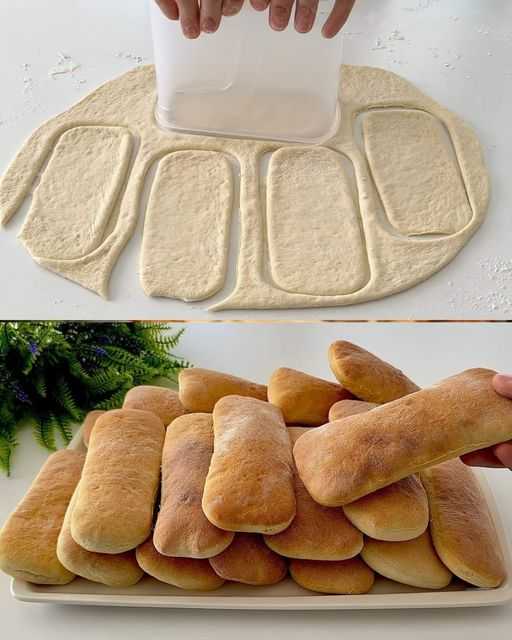
Once the dough has risen, punch it down to release any air bubbles. Turn the dough out onto a floured surface and shape it into a loaf by folding the edges in towards the center and rolling it up tightly. Place the shaped dough into a greased loaf pan.
#### 7. **Preheat the Oven**:
While the dough is rising for the second time, preheat your oven to 375°F (190°C).
#### 9. **Cool and Enjoy**:
Remove the bread from the oven and let it cool in the pan for 10 minutes. Then, transfer it to a wire rack to cool completely before slicing. While the bread is best enjoyed fresh, it can be stored in an airtight container for up to 3 days.
– **Warm Water**: Ensure that the water you use to activate the yeast is warm (around 110°F/45°C), not too hot or too cold. Too hot water can kill the yeast, while too cold water will prevent it from activating properly.
– **Kneading**: Kneading the dough is an important step in developing the gluten that gives the bread its structure. If you don’t have a stand mixer with a dough hook, kneading by hand is a great way to get a feel for the dough. It should be smooth and elastic when it’s ready.
– **Add-ins**: Feel free to experiment with adding herbs, cheese, or even garlic to the dough for extra flavor. Just fold these ingredients in when you shape the dough.
– **Storage**: If you want to store your bread for longer, you can freeze it. Slice the loaf, wrap it in plastic wrap, and place it in a freezer bag. When you’re ready to enjoy it, just thaw the slices and toast them for a fresh, warm snack.
Making your own bread at home is not only rewarding, but it’s also a way to enjoy fresh, preservative-free bread anytime you want. **Easy Homemade Bread** is versatile, customizable, and most importantly—delicious. Whether you’re baking it for sandwiches, serving it as a side with soup, or simply spreading some butter on a warm slice, this bread will make any meal special.
