ADVERTISEMENT
**Master the Art of Cooking Eggs: Why You Should Start with Hot Water**
In this article, we’ll explore why using hot water is a game-changer for cooking eggs, especially for hard-boiled ones, and how this technique ensures consistent results every time.
### **Why the Traditional Boiling Method Can Fail**
– **Uneven Cooking**: When you start with cold water, it’s difficult to control how evenly the heat distributes around the eggs, leading to uneven cooking. The eggs at the bottom may cook faster than those at the top.
– **Overcooking or Undercooking**: It can be hard to determine exactly when the eggs have reached the right doneness, and if you wait too long, the eggs may become overcooked with a greenish yolk. On the other hand, undercooking means you’ll end up with a soft-boiled egg instead of a hard-boiled one.
– **Difficulty Peeling**: Fresh eggs, especially those that are very recently laid, can be difficult to peel once boiled. The shells often stick to the egg white, causing frustrating tears and making the eggs look less than perfect.
### **The Hot Water Method: The Secret to Perfect Eggs**
#### **1. Even Cooking**
#### **2. Perfect Timing**
#### **3. Easier to Peel**
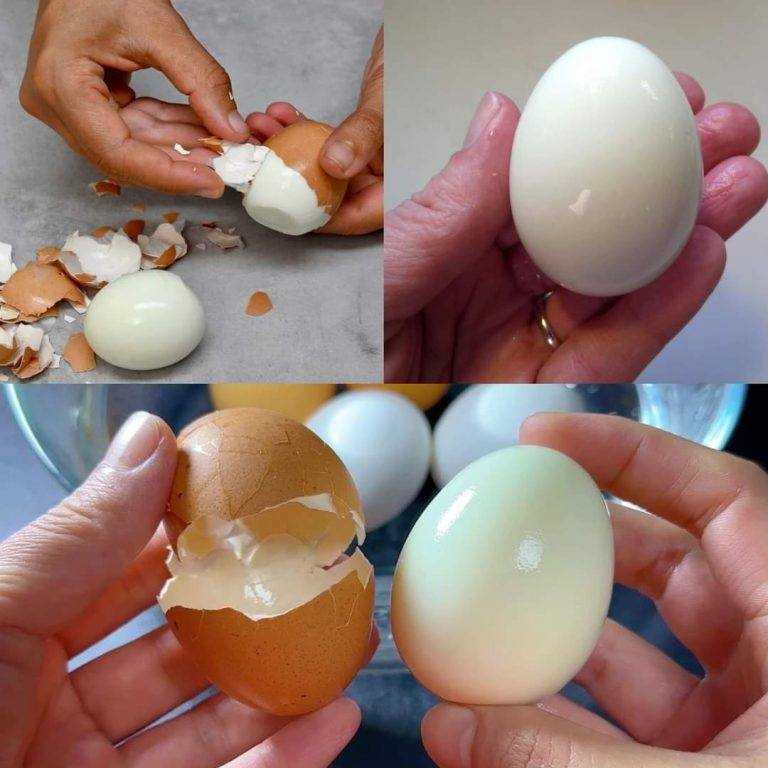
One of the biggest frustrations when it comes to boiled eggs is the peeling process. Fresh eggs can be difficult to peel because the pH of the egg white is lower when it’s fresh, causing it to adhere tightly to the shell. By using the hot water method, you can make the peeling process much easier. The hot water helps to slightly relax the egg whites from the shell, which makes it easier to remove the shell without damaging the delicate egg white.
The hot water method is a more reliable approach to cooking eggs, which means you’re more likely to achieve the same result each time you cook. Whether you’re cooking one egg or a dozen, you’ll be able to predict the final product based on the time it spends in the hot water, ensuring that your eggs come out just the way you like them.
### **How to Cook Eggs with the Hot Water Method**
**What You’ll Need:**
– Eggs (as many as you want to cook)
– A pot or saucepan
– Water (enough to fully submerge the eggs)
– A spoon or tongs (optional)
