ADVERTISEMENT
**Why Does Chicken Foam When It’s Being Boiled? And 3 Solutions to Prevent It**
### Why Does Chicken Foam When It’s Boiled?
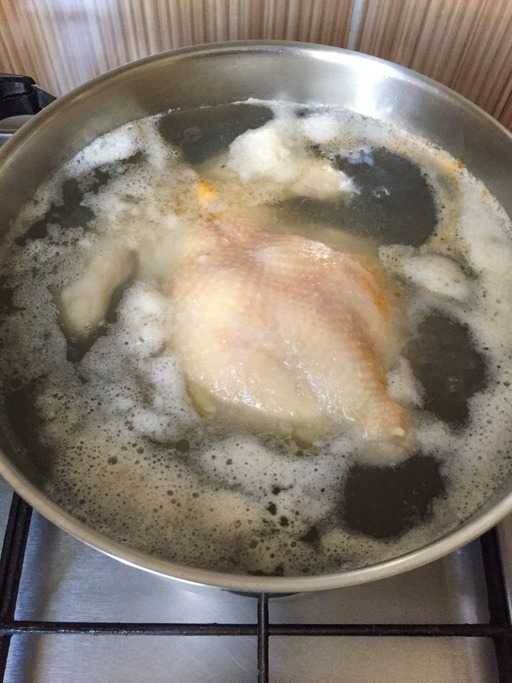
The foam that forms when boiling chicken is the result of proteins, impurities, and blood rising to the surface of the water. Here’s a breakdown of what causes this foamy buildup:
2. **Impurities and Blood**: Even though chicken is typically cleaned before being sold, it can still contain small amounts of residual blood and other impurities. As the chicken is boiled, these impurities are released into the water, contributing to the foam. This is particularly noticeable with bone-in pieces like chicken legs or thighs, as the marrow inside the bones can also leach out during the cooking process.
3. **Fat and Scum**: The fat in the chicken also contributes to the foamy substance. As fat renders (melts) during the boiling process, it can mix with the proteins and other particles, forming a scum on top of the water.
No, the foam isn’t dangerous. It’s simply a combination of proteins, fat, and other natural substances that are part of the chicken. However, the foam can make the water look unappetizing and can affect the clarity of the broth. While you don’t have to worry about its safety, you may want to remove it for a cleaner appearance and taste.
While the foam itself is harmless, there are several methods you can use to reduce or prevent it. Here are three simple solutions to get rid of that frothy buildup:
Blanching is an effective method to remove impurities and reduce foam. The process involves briefly boiling the chicken in water and then discarding that water before continuing to cook it in fresh water. This step helps to release most of the blood and impurities, significantly reducing foam production during the actual cooking process.
**How to Blanch Chicken**:
– Place the chicken pieces in a large pot of cold water.
– Bring the water to a boil over medium-high heat.
– As the water begins to boil, you will notice foam starting to form. Let it boil for about 3-5 minutes.
– Remove the chicken from the pot and discard the water.
– Rinse the chicken under cold water to remove any remaining scum.
– Add the chicken back into a clean pot of fresh water and continue cooking as desired.
#### 2. **Skimming the Foam**
If you prefer not to blanch your chicken, skimming the foam regularly while the chicken boils is an effective way to manage the foam. This method involves using a spoon or ladle to carefully remove the foam as it rises to the surface. Skimming the foam doesn’t stop it from forming, but it keeps the water looking cleaner and more appealing.
