ADVERTISEMENT
### **5. Foamy or Bloody Urine**
Foamy urine may indicate the presence of excess protein, which is often a sign of kidney damage. If your kidneys are leaking protein into the urine due to compromised filtration, you might notice your urine becoming foamy or bubbly. Additionally, if you notice blood in your urine (hematuria), it can signal kidney problems such as kidney stones, infection, or damage to the kidney tissues.
### **6. Pain in the Lower Back**
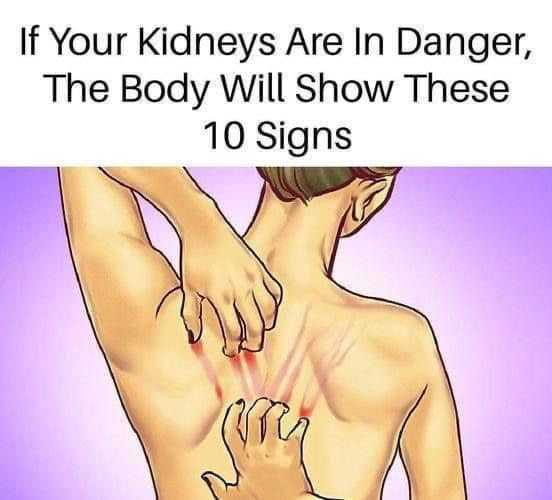
While occasional back pain can be normal, pain that is persistent or localized to the lower back area—where the kidneys are located—can be a sign of kidney issues. The pain may range from a dull ache to sharp or intense discomfort, and it can be caused by kidney infections, stones, or inflammation.
### **8. High Blood Pressure**
Kidneys help regulate blood pressure by controlling the balance of fluids and salt in the body. When kidney function is impaired, it can lead to high blood pressure (hypertension), which in turn can cause further kidney damage. If your blood pressure is consistently high, it could be a sign that your kidneys are not working properly.
### **9. Shortness of Breath**
Shortness of breath can be a result of fluid buildup in the lungs, which may occur when the kidneys are not removing excess fluid from the body. This fluid buildup can lead to pulmonary edema, a condition that causes difficulty breathing. Additionally, kidney disease-related anemia can make it harder for your body to get enough oxygen, contributing to breathlessness.
### **What to Do If You Notice These Symptoms**
If you experience any of the symptoms listed above, it’s important to consult a healthcare professional as soon as possible. Early detection of kidney problems can prevent further damage and improve the chances of effective treatment.
### **Prevention and Kidney Health Tips**
– **Stay hydrated:** Drink plenty of water throughout the day to support kidney function.
– **Manage blood sugar:** If you have diabetes, keeping your blood sugar levels under control is vital in preventing kidney damage.
– **Control blood pressure:** Monitor your blood pressure and keep it within a healthy range.
– **Eat a kidney-friendly diet:** Reduce your intake of salt, processed foods, and protein, as excessive amounts of these can strain the kidneys.
– **Avoid overusing medications:** Certain medications, including nonsteroidal anti-inflammatory drugs (NSAIDs), can harm the kidneys if used excessively. Always follow the recommended dosage and consult with your doctor before taking new medications.
– **Exercise regularly:** Regular physical activity can help maintain overall health and reduce the risk of kidney disease.
