ADVERTISEMENT
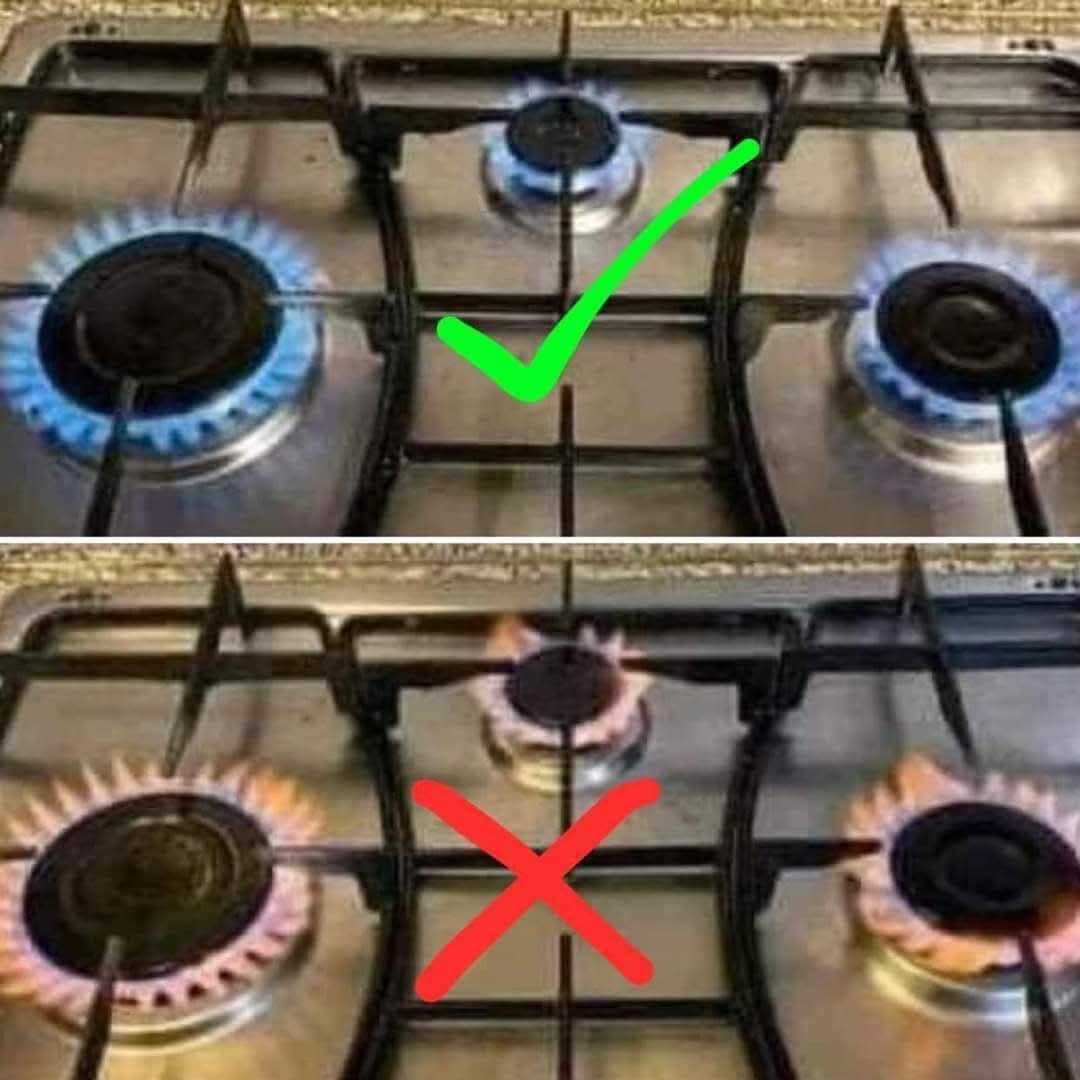
2. **Dirty Burners**: Over time, food spills and grease can build up around the burners. This debris can interfere with the gas flow and combustion process, resulting in a yellow or orange flame. Regularly cleaning your stove and burners will help maintain optimal performance.
3. **Faulty Gas Pressure**: If the gas pressure is too high or low, it can cause inefficient combustion. This could be caused by an issue with the gas regulator or a leak in the gas line.
5. **Incorrect Gas Type**: If you’ve recently switched gas types (for example, from natural gas to propane), you may need to adjust your stove’s settings. Mismatched gas types can lead to improper combustion, affecting the color of the flames.
### **How to Fix or Prevent Flame Issues**
2. **Adjust the Air Supply**: Ensure the air vents around your burners are not blocked. If the vents are dirty or obstructed, it can lead to poor combustion and a yellow flame. Clean the vent openings and ensure adequate air circulation.
4. **Replace Faulty Parts**: If your stove continues to produce a yellow or red flame despite your efforts, the burner or gas regulator may need to be replaced. It’s a good idea to have a professional technician assess the situation to prevent any safety hazards.
### **Conclusion**
The color of your stove’s flame is more than just a visual detail—it’s a crucial indicator of how well your stove is functioning. Blue flames are ideal, indicating that your stove is running efficiently and safely. Yellow or orange flames, on the other hand, suggest problems with combustion that can lead to safety hazards, poor cooking results, and higher energy costs.
