ADVERTISEMENT
#### 1. **Activate the Yeast:**
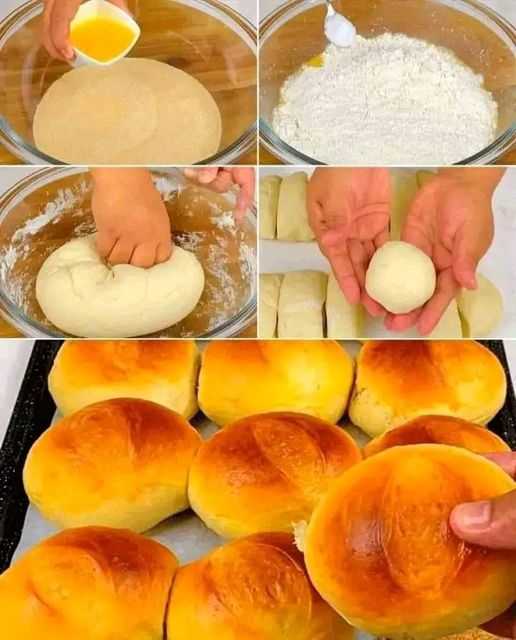
In a small bowl, combine the warm water, sugar, and yeast. Stir gently to dissolve the sugar and yeast in the water. Let it sit for about 5-10 minutes, or until the mixture becomes frothy. This step is important because it ensures that the yeast is active and ready to help your dough rise.
#### 2. **Mix the Dough:**
In a large mixing bowl, combine the flour and salt. Once the yeast mixture is frothy, pour it into the bowl with the flour and salt. Add the olive oil as well. Stir with a wooden spoon or spatula until the mixture begins to come together into a dough.
#### 4. **First Rise:**
Place the dough ball in a lightly oiled bowl, and cover it with a clean kitchen towel or plastic wrap. Let it rise in a warm place for about 1-2 hours, or until it has doubled in size. This is when the yeast does its magic, making the dough light and airy.
#### 5. **Shape the Dough:**
Once the dough has risen, punch it down to release the air. Turn it out onto a floured surface and shape it into a round or oval loaf, depending on your preference. You can also shape it into smaller rolls if you prefer.
#### 7. **Preheat the Oven:**
While the dough is going through its second rise, preheat your oven to 450°F (230°C). A high oven temperature is key to getting that golden, crispy crocant crust.
You can check if the bread is done by tapping it on the bottom—if it sounds hollow, it’s ready!
### Tips for Perfect Crocant Homemade Bread
– **Use Bread Flour for Extra Structure:** While all-purpose flour works fine for this recipe, using bread flour will give your bread more structure and chewiness.
– **Test Your Yeast:** If your yeast doesn’t froth after 10 minutes, it might be expired. Fresh yeast ensures the bread will rise well.
– **Let the Bread Rest:** If you’re in a rush, it might be tempting to cut into the bread right away, but allowing it to rest for a few minutes after baking will improve the texture of the crumb.
– **For a Crunchy Crust:** If you love a really crunchy, thick crust, try adding a little extra olive oil to the top of the loaf before baking, or use a pizza stone for an even crispier result.
– **Flavor Variations:** You can easily add extra flavors to your bread. Try incorporating garlic, herbs (like rosemary or thyme), or even cheese to the dough for an extra burst of flavor.
What makes this homemade bread particularly special is the contrast between its soft, airy interior and its deeply satisfying, crunchy crust. The word “crocant,” which translates to “crunchy” or “crispy,” perfectly describes the delightful bite of the crust that’s achieved through high-heat baking and steam. The soft, pillowy interior complements the crisp exterior, creating a perfect balance of textures in every bite.
Making your own bread also gives you control over the ingredients. You can avoid preservatives and artificial additives commonly found in store-bought loaves, while also adjusting the flavors to your preferences.
Crocant homemade bread is incredibly versatile and pairs well with almost anything. Here are a few ideas:
### Conclusion: Fresh, Flavorful, and Crispy
Crocant homemade bread is the perfect blend of simplicity, flavor, and texture. With its crispy crust and soft, airy interior, it’s a bread that will impress everyone at the table. While it requires a little time to rise, the hands-on preparation is easy, making this recipe suitable for both beginner and seasoned bakers. Whether you’re using it as an accompaniment to your favorite dish or simply enjoying a slice with butter, this homemade bread will quickly become a staple in your kitchen. Happy baking!
