ADVERTISEMENT
**What the Color of Your Egg Yolk Means: A Guide to Understanding Egg Quality**
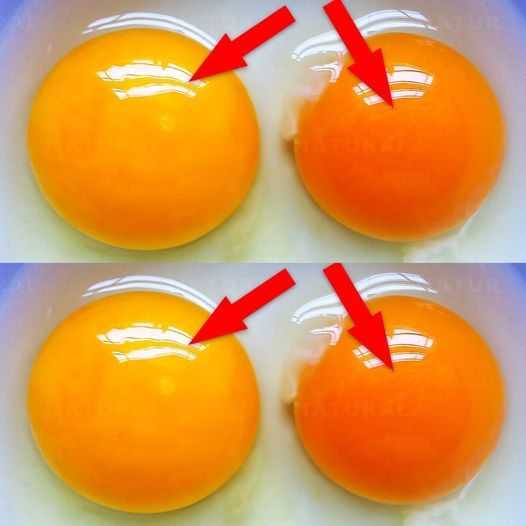
In this article, we’ll dive into what the color of your egg yolk means and how it affects the flavor, nutrition, and cooking properties of your eggs. Let’s crack open the mystery behind egg yolk color and explore its significance.
—
Before we get into what the color of the yolk indicates, it’s important to understand what causes these variations. The color of an egg yolk is primarily influenced by the hen’s diet and genetics. Here’s a breakdown of the key factors:
1. **Hen’s Diet**
The most significant factor affecting yolk color is what the hen eats. Chickens that are fed a diet rich in yellow or orange plant pigments, like **marigold petals**, **corn**, or **alfalfa**, tend to produce eggs with deeper yellow or orange yolks. On the other hand, hens fed a diet with less pigment, such as a grain-based diet, will produce eggs with lighter yolks.
3. **Genetics**
While diet plays the most significant role in yolk color, genetics also has an influence. Some chicken breeds, such as **Rhode Island Reds** or **Australorps**, are more likely to produce darker yolks due to their genetic makeup.
—
Now that we understand the key factors influencing yolk color, let’s look at what the different colors might signify:
#### **1. Pale Yellow Yolk**
**Impact on taste and nutrition:**
While pale yellow yolks are not harmful, they tend to be less nutrient-dense compared to darker yolks. The flavor may also be more neutral, lacking the robust richness that some people associate with farm-fresh eggs.
**Best for:**
Pale yellow yolks are commonly found in **store-bought eggs** and are perfectly fine for everyday use in baking, scrambled eggs, and omelets. Their flavor may be more subtle, but they still provide the same essential nutrients.
#### **2. Bright Yellow Yolk**
**Impact on taste and nutrition:**
Bright yellow yolks indicate a more balanced diet for the hens, which can enhance the flavor and nutritional value of the egg. While these yolks are not as nutrient-dense as deeper yellow or orange yolks, they still provide a good amount of protein and healthy fats.
**Best for:**
Eggs with bright yellow yolks are suitable for most culinary uses, including frying, baking, and boiling. They provide a balance of flavor, color, and nutrition, making them ideal for everyday meals.
—
#### **3. Deep Yellow or Orange Yolk**
**What it means:**
Deep yellow or orange yolks are a clear indication that the hen has been fed a diet rich in **carotenoids**, which are pigments found in plants like **marigolds** or **yellow corn**. These yolks are often produced by hens that are either **free-range** or **pasture-raised**, having access to grass, seeds, and insects.
**Impact on taste and nutrition:**
Deep yellow or orange yolks typically offer a richer, more intense flavor. These eggs are also packed with more **omega-3 fatty acids**, **vitamins A** and **D**, and **antioxidants**. They tend to have a firmer texture and are often considered higher quality due to their diet, which leads to greater nutritional density.
**Best for:**
These eggs are perfect for showcasing their vibrant yolks in dishes like **fried eggs**, **poached eggs**, or **egg salad**, where the yolk’s rich color and flavor can truly shine. They are also ideal for making **custards** or **mayonnaise**, where the yolk is the star of the dish.
For Complete Cooking STEPS Please Head On Over To Next Page Or Open button (>) and don’t forget to SHARE with your Facebook friends
