ADVERTISEMENT
### **Step 4: Smooth and Blend the Repair**
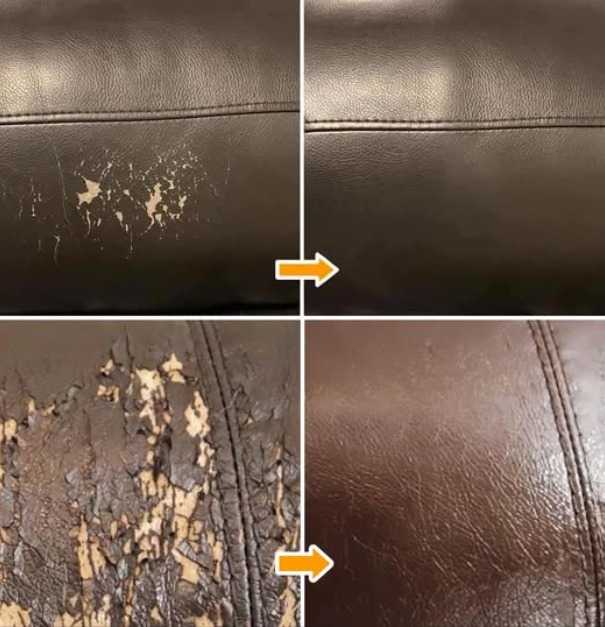
After applying the adhesive or repair paste, you’ll want to blend the repair seamlessly with the surrounding surface.
—
### **Step 5: Restore the Color (If Necessary)**
1. Use a leather or vinyl dye or paint that matches the color of your item. Many leather repair kits come with a matching dye that can be applied with a brush.
2. Gently apply the dye in thin layers, allowing each coat to dry before adding another. This ensures an even, natural finish.
3. For real leather, consider using a leather conditioner or cream to bring back the shine and restore the leather’s natural luster.
### **Step 6: Protect the Repair**
1. For real leather, apply a leather conditioner after the repair. This will help restore moisture to the leather and keep it supple.
2. For faux leather, apply a clear acrylic sealer to protect the surface and maintain its appearance. This will also help prevent future peeling.
3. Allow the item to dry completely before using it again.
—
Once your item is repaired, it’s essential to take steps to prevent future peeling:
– **For real leather**: Regularly clean and condition your leather items to keep them moisturized and prevent cracking. Store them in a cool, dry place away from direct sunlight.
—
Repairing peeling leather or imitation leather is a manageable task that can save your beloved items and extend their use. With the right materials and techniques, you can restore their appearance and functionality, making them look as good as new. Whether you’re dealing with a favorite jacket, a handbag, or a piece of furniture, this step-by-step guide will help you get your leather goods back in tip-top shape!
