ADVERTISEMENT
**Tip**: Incorporate both raw and cooked vegetables into your meals for different textures and flavors. Roasted vegetables often have enhanced flavors and provide different nutrients when compared to their raw counterparts.
#### 2. **Whole Grains**
Whole grains such as quinoa, brown rice, oats, and barley are excellent sources of fiber, B vitamins, iron, and magnesium. Unlike refined grains, whole grains retain the bran, germ, and endosperm, making them a more nutrient-dense option.
#### 3. **Nuts, Seeds, and Legumes**
Nuts and seeds (such as almonds, chia seeds, and flaxseeds) provide healthy fats, fiber, and protein, while legumes (like lentils, chickpeas, and beans) offer plant-based protein and additional fiber. These ingredients are great for adding texture and nutrition to salads, soups, or smoothies.
**Tip**: A handful of mixed nuts or seeds can make a great topping for yogurt or oatmeal, adding both crunch and nutrition.
**Tip**: Include fish in your diet 2-3 times per week to get the benefits of omega-3s.
**Tip**: Choose low-fat or fat-free options when possible, and look for products fortified with calcium and vitamin D.
**Tip**: Use olive oil as your primary cooking oil, and add avocado to your salads or toast for a creamy texture and healthy fats.
—
Now that you understand the building blocks of nutrient-dense meals, here are some delicious and easy-to-make recipes that are packed with essential nutrients.
#### 1. **Quinoa Salad with Roasted Vegetables**
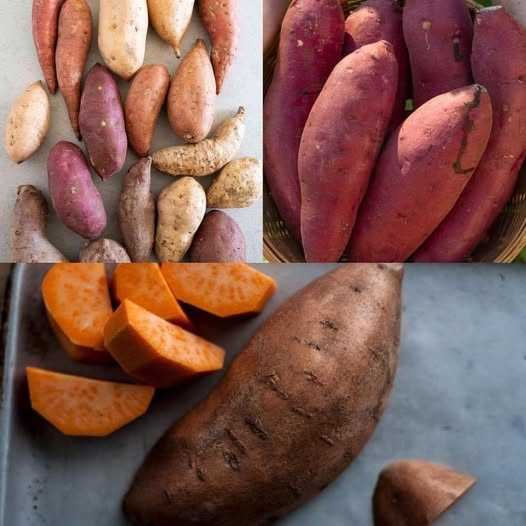
A hearty salad made with quinoa, roasted vegetables like sweet potatoes, carrots, and bell peppers, and topped with a lemon-tahini dressing. This dish provides protein, fiber, healthy fats, and a wide array of vitamins and minerals.
#### 2. **Salmon with Sautéed Spinach and Brown Rice**
Grilled or baked salmon is a fantastic source of omega-3 fatty acids, while sautéed spinach provides vitamins A, C, and K, along with iron. Serve it with fiber-rich brown rice for a balanced meal full of nutrients.
#### 3. **Lentil Soup with Vegetables**
A warm, comforting soup made with lentils, tomatoes, carrots, celery, and onions. Lentils are an excellent plant-based protein source, and the vegetables add fiber, vitamins, and antioxidants.
**Tip**: Top with a dollop of plain Greek yogurt for extra protein and creaminess.
#### 4. **Chia Seed Pudding with Fresh Berries**
Chia seeds are packed with omega-3 fatty acids, fiber, and protein. Combine them with almond milk (or any plant-based milk) and a touch of honey to make a creamy, nutritious pudding. Top with fresh berries like strawberries, blueberries, or raspberries for an antioxidant boost.
**Tip**: Prepare the chia pudding the night before for a quick and healthy breakfast or snack.
#### 5. **Vegetable Stir-Fry with Tofu**
Stir-fry your favorite vegetables—like broccoli, bell peppers, and snap peas—with tofu for a plant-based protein-packed dish. Serve it over brown rice or quinoa for an extra dose of fiber and nutrients.
**Tip**: Add a sprinkle of sesame seeds on top for a crunch and added healthy fats.
—
### **Conclusion**
Meals that are **packed with nutrients** are key to maintaining a healthy diet and achieving long-term wellness. By focusing on whole, minimally processed foods like fruits, vegetables, whole grains, lean proteins, and healthy fats, you can nourish your body and enjoy delicious, satisfying meals. Whether you’re trying to improve your energy, support your immune system, or simply feel better overall, nutrient-dense meals are the perfect way to fuel your body with the vitamins, minerals, and other nutrients it needs.
Start by incorporating more of these foods into your meals and discover how easy and tasty it can be to nourish your body with all the essential nutrients it craves!
