ADVERTISEMENT
#### **3. Re-Seasoning After Cleaning**
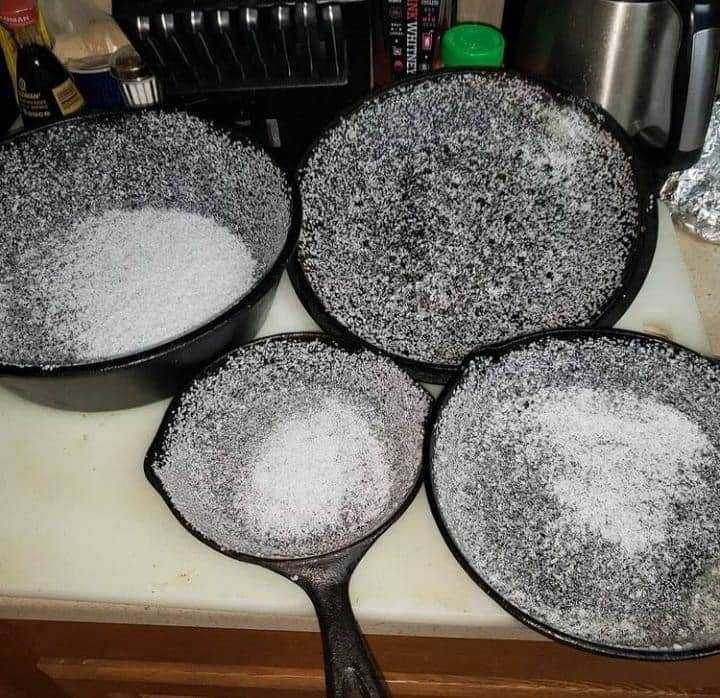
To keep your cast iron skillet in top condition, you need to maintain its seasoning layer. Seasoning is the layer of oil that is baked into the surface of the pan, creating a non-stick coating and protecting it from rust. After cleaning and drying your skillet, it’s a good idea to apply a thin layer of vegetable oil, canola oil, or flaxseed oil to the surface.
– **How to Season Your Skillet**: Pour a small amount of oil into the skillet and use a paper towel to spread it evenly over the entire surface, including the handle and exterior. Place the skillet upside down in the oven at 450°F (230°C) for 1 hour, with a layer of aluminum foil on the rack below to catch any drips. Let the skillet cool completely before storing.
—
### **Common Mistakes to Avoid**
– **Letting It Soak**: Never soak your cast iron skillet in water for long periods, as this promotes rust. If food is stuck and requires soaking, don’t leave it submerged for hours—just long enough to loosen the bits.
—
Over time, your cast iron skillet might develop a layer of rust, especially if it’s not properly dried or stored. Don’t worry, though—rust can be removed!
#### **Steps to Remove Rust**:
1. **Scrub the Rust**: Use a steel wool scrubber or a wire brush to scrub the rust off. You may need to apply a bit of elbow grease, but it will come off. Make sure to scrub all areas of the skillet, including the handle.
3. **Re-Season**: After you’ve removed the rust and dried the skillet, follow the seasoning steps above to restore its protective layer.
—
Proper storage is key to maintaining your cast iron skillet’s longevity. Here are some storage tips:
2. **Use a Paper Towel**: After seasoning, place a paper towel inside the skillet before storing it to absorb any moisture and prevent rust.
3. **Hanging or Storing Flat**: You can hang your cast iron skillet by its handle or store it flat in a cupboard. If stacking it with other pots and pans, place a layer of paper towel or cloth between them to avoid scratching.
—
### **Final Thoughts: How to Make Your Cast Iron Skillet Last a Lifetime**
Cast iron skillets are one of the most durable pieces of cookware you can own. They improve with use and can last for generations when properly maintained. By following these simple cleaning and seasoning steps, avoiding common mistakes, and fixing rust promptly, you’ll keep your skillet in tip-top shape for years.
The effort you put into maintaining your cast iron skillet is rewarded with a cooking surface that gets better with age—creating beautiful, evenly cooked meals every time. So embrace the joy of cooking with your cast iron skillet, and enjoy its versatility, longevity, and delicious results!
