ADVERTISEMENT
### **When Should You Add Water to the Pan?**
If you do choose to add water or liquid to the pan, here are some tips on when and how to do it:
2. **Baste Occasionally:**
– If you do decide to add water, consider basting the turkey with its own juices or additional liquid every 30 minutes to ensure it stays moist. However, frequent opening of the oven can reduce the overall temperature, so try to minimize this as much as possible.
3. **Use a Roasting Rack:**
– Consider using a roasting rack if you’re adding water. This allows the turkey to sit above the liquid, so it doesn’t get soggy. The rack will also help air circulate around the bird, leading to a more even roast.
—
While water can be helpful, there are some cases when it’s best to skip this step:
2. **When Using High-Heat Roasting:**
– Roasting the turkey at high temperatures (like 425°F or above) works best without water. This method allows for quick browning and crisping of the skin. Adding water may reduce the effect of this high-heat cooking method.
3. **Smaller Turkeys:**
– For smaller turkeys (under 10 pounds), you might not need to add water at all. Smaller birds cook faster, and a dry roast may yield better results in terms of flavor and texture.
### **Conclusion: Water or No Water?**
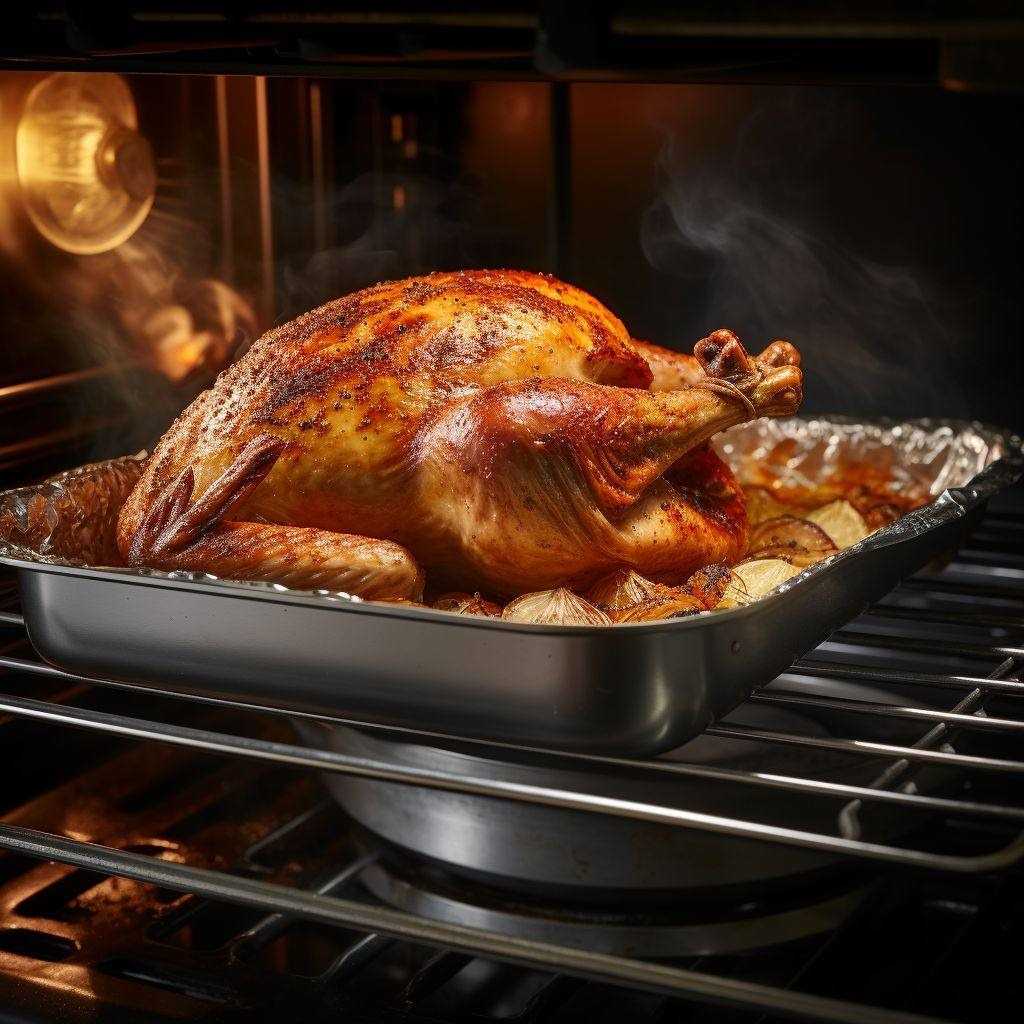
The decision to add water to the turkey pan while roasting ultimately depends on your preferences for skin texture, moisture, and gravy. If you want a juicy bird with flavorful drippings for gravy, adding water is a solid option. However, if you’re after crispy skin and concentrated turkey flavor, roasting without water may be the better choice.
