ADVERTISEMENT
#### **5. Let Meat Rest After Cooking**
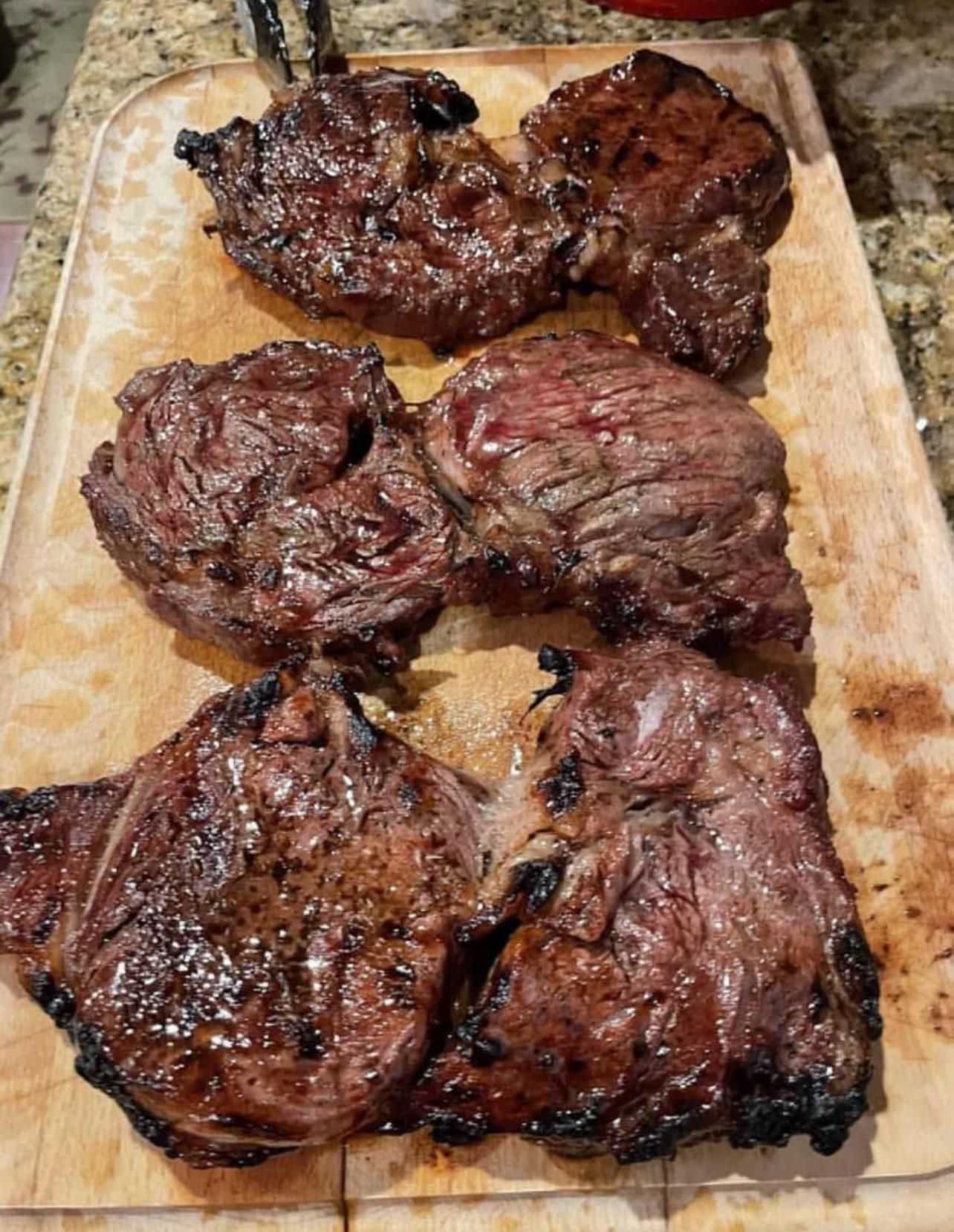
After cooking, always let your meat rest before slicing. Resting allows the juices to redistribute throughout the meat, preventing them from running out when cut. For steaks and chops, rest for at least 5-10 minutes. For larger roasts or whole chickens, 15-20 minutes is ideal.
#### **6. Use the Right Cooking Temperature**
Overcooking meat will cause it to become tough, so it’s important to cook it to the right temperature.
– **For steaks:** Aim for medium-rare to medium doneness for the most tender results (130°F to 140°F or 54°C to 60°C).
– **For poultry:** Cook chicken to an internal temperature of 165°F (74°C) to ensure it’s tender and safe to eat.
– **For slow-cooked meats:** Don’t rush it—low and slow is the way to go for a tender, juicy roast or stew. For braises, keep the temperature at a simmer rather than a boil.
—
### **Additional Tips for Extra Tenderness**
– **Braising with Liquid:** Braise meats like short ribs, chuck roasts, or lamb shanks in a flavorful liquid like broth, wine, or even beer. The liquid helps to break down the connective tissue while imparting rich flavor.
– **Use a Slow Cooker or Instant Pot:** These appliances are excellent for tenderizing tougher cuts of meat. Set them on low for a longer cook time for the most tender results, or use the pressure-cooking function for a quicker method.
– **Sous Vide Cooking:** Sous vide cooking is a modern technique where meat is sealed in a vacuum bag and cooked in hot water at a precise temperature. This method guarantees that the meat cooks evenly and retains moisture, producing incredibly tender results.
### **Conclusion**
Cooking meat so tender that it melts in your mouth doesn’t require complex techniques or fancy ingredients—it’s all about using the right methods. Whether you’re cooking tough cuts like brisket or pork shoulder, or simply trying to ensure your steak is juicy and tender, these tips will help you achieve perfectly tender meat every time.
