ADVERTISEMENT
### 3. **Water Submersion**
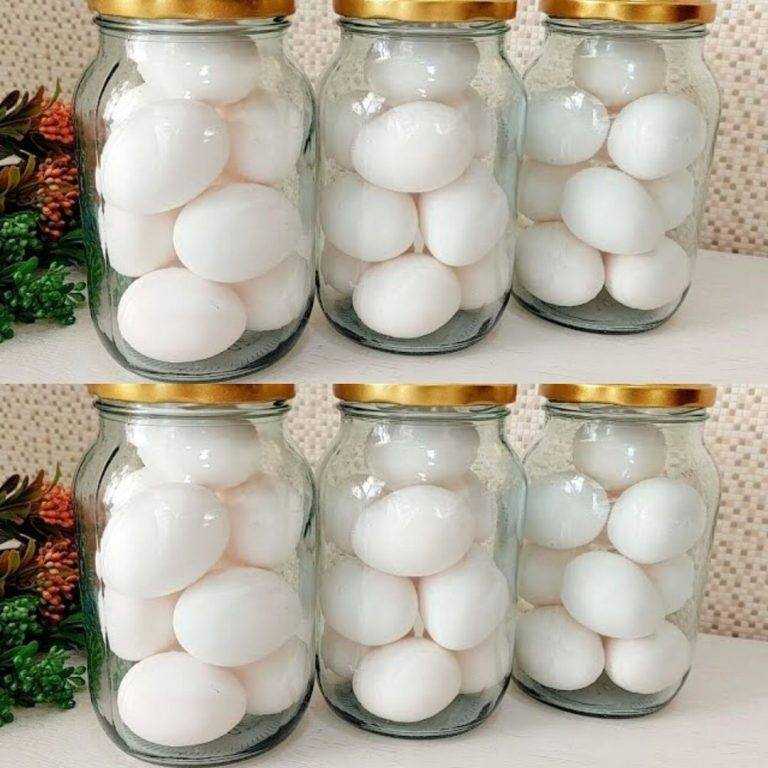
Submerging eggs in water is another old technique that works well in keeping eggs fresh. This method is most effective when using fresh eggs, as older eggs tend to float more easily. The key to this technique is using enough water to cover the eggs completely and changing the water every few days. Some people also add a little salt to the water to boost its preservative effects.
### 4. **Vinegar or Mineral Oil Coating**
Another ancient method involves coating eggs with mineral oil or vinegar. When eggs are coated with a thin layer of oil, it creates a barrier that helps prevent bacteria from entering through the pores of the shell. This method can extend the shelf life of eggs for several weeks at room temperature. Vinegar, on the other hand, can also create an acidic environment that slows down spoilage.
### 6. **Candle Testing (Candling)**
Although this isn’t a method for keeping eggs fresh, it’s an important technique used to check the freshness of eggs. Candling involves holding an egg up to a bright light to see inside. This helps to spot any cracks, air cell growth, or signs of spoilage. In the absence of refrigeration, people would often test eggs this way before use.
### 7. **Root Cellar Storage**
For people who lived in rural or farming areas, a root cellar was often used to store not only potatoes, apples, and other vegetables but also eggs. Root cellars offer cool, stable temperatures that are ideal for keeping eggs fresh for extended periods. If you have access to such a space, this can be a great alternative to refrigeration.
