ADVERTISEMENT
– **Jaw issues or Temporomandibular Joint Disorder (TMJ):** Pain in the ears can sometimes be linked to jaw problems. TMJ, which affects the joint connecting the jaw to the skull, can cause ear pain as well as headaches, jaw clicking, and difficulty opening your mouth.
– **Barotrauma (Pressure Changes):** Ears may hurt when exposed to rapid pressure changes, such as during airplane travel or deep-sea diving. If the discomfort is accompanied by a feeling of fullness or hearing loss, it could indicate barotrauma.
### 3. **The Shape of Your Earlobes: A Warning Sign?**
Did you know that the shape of your earlobes could be an indicator of heart disease? A phenomenon known as “Frank’s sign” refers to a diagonal crease across the earlobe, which some studies have suggested could be a marker for cardiovascular disease.
### 4. **Tinnitus: A Sign of Underlying Conditions**
– **High blood pressure:** The increased blood flow to the inner ear can sometimes cause ringing or buzzing sounds.
– **Neurological conditions:** In rare cases, tinnitus can be related to conditions affecting the nervous system, such as multiple sclerosis or brain tumors.
– **Medications:** Certain medications, particularly antibiotics, aspirin, and diuretics, have been known to cause or worsen tinnitus as a side effect.
### 5. **Ear Redness and Swelling: Potential Infections or Allergies**
If your ears are suddenly red, swollen, or inflamed, it could be a sign of an infection or an allergic reaction. Common causes include:
– **Allergic reactions:** Allergies to jewelry (such as nickel in earrings) or certain soaps and shampoos can cause the ears to become inflamed and irritated.
### 6. **Hearing Loss: A Sign of Aging or Other Health Conditions**
While age-related hearing loss (presbycusis) is common, sudden or rapid hearing loss can be a sign of an underlying health issue. Conditions such as ear infections, Ménière’s disease, or even neurological conditions like multiple sclerosis can lead to hearing loss. If you notice sudden or severe changes in your hearing ability, seek medical advice promptly.
### Conclusion: Listen to Your Ears
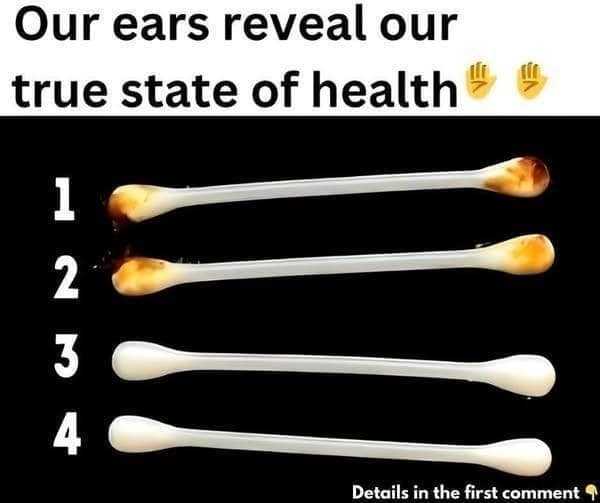
Your ears do more than just help you hear—they can offer a glimpse into your overall health. By paying attention to the state of your ears—whether it’s the earwax, any pain, or even changes in appearance—you can better understand your body and detect potential health issues early. While it’s essential to seek professional advice if you notice anything unusual, taking the time to care for your ears and understand their signals can go a long way in preserving your long-term health.
So, the next time you notice an ear-related issue, remember that your ears may be trying to tell you something important about your health. Listen closely—they may be revealing your body’s true state.
