ADVERTISEMENT
#### Step 1: Activate the Yeast
1. **Prepare the Yeast:** In a small bowl, combine the warm water, sugar, and active dry yeast. Stir gently and let the mixture sit for about 5-10 minutes until it becomes frothy. This step ensures the yeast is active and ready to help the bread rise.
#### Step 2: Mix the Dough
1. **Combine Dry Ingredients:** In a large bowl, whisk together the flour and salt.
2. **Add the Yeast Mixture:** Once the yeast is activated and frothy, pour it into the bowl with the flour mixture. Add the softened butter and begin mixing the ingredients with a wooden spoon or a dough hook if you’re using a stand mixer.
#### Step 4: Let the Dough Rise
1. **Shape the Dough:** Once the dough is kneaded, shape it into a ball and place it in a lightly greased bowl. Cover with a damp towel or plastic wrap.
2. **First Rise:** Let the dough rise in a warm place for 1 to 1 1/2 hours, or until it has doubled in size. This is when the yeast works its magic, making the dough light and airy.
#### Step 5: Punch Down and Shape the Dough
1. **Deflate the Dough:** After the dough has risen, punch it down gently to release the air bubbles.
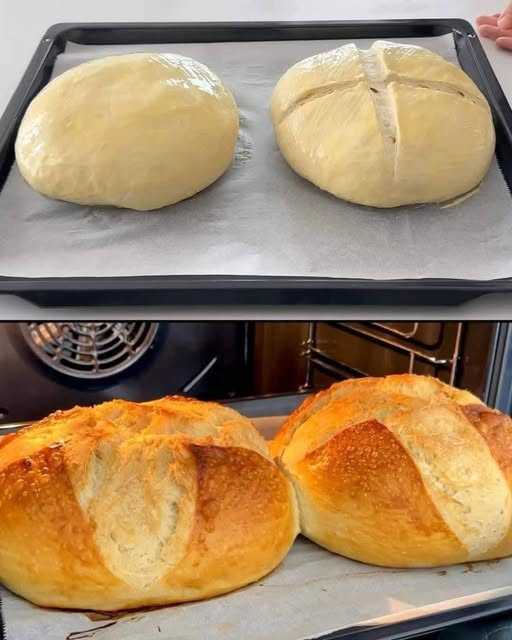
2. **Shape the Loaf:** Turn the dough out onto a floured surface and shape it into a loaf. To do this, gently flatten the dough into a rectangle, then fold the edges inward and roll it tightly into a cylinder. Pinch the seams together to seal.
#### Step 7: Bake the Bread
1. **Preheat the Oven:** Preheat your oven to 375°F (190°C).
2. **Bake the Loaf:** Once the dough has risen, place the loaf in the preheated oven and bake for 25-30 minutes, or until the top is golden brown and the loaf sounds hollow when tapped on the bottom.
3. **Optional:** For a softer crust, brush the top of the loaf with a bit of melted butter immediately after baking.
### Tips for Success:
– **Use Room Temperature Ingredients:** Make sure your butter is softened and your water is warm (but not hot) to help the yeast activate properly.
– **Don’t Overwork the Dough:** Be gentle while kneading and shaping the dough. Overworking it can lead to a denser loaf.
– **Ensure the Right Temperature for Rising:** If your kitchen is cold, you can create a warm environment for the dough by turning on your oven for a few minutes, then turning it off before placing the dough inside to rise.
– **Freezing Leftovers:** If you don’t finish the loaf right away, wrap it tightly in plastic wrap and store it in the freezer for up to a month. To thaw, simply let it sit at room temperature for a few hours.
### Conclusion:
There’s something truly special about baking **Classic Homemade Bread** from scratch. It’s an incredibly rewarding process that fills your home with the comforting aroma of fresh bread, and the results are always worth the effort. This recipe is perfect for beginners and seasoned bakers alike, offering a delicious, soft loaf that can be used in a variety of ways. So, gather your ingredients, take your time, and enjoy the timeless pleasure of baking bread in your own kitchen!
