ADVERTISEMENT
#### 1. **Melt the Chocolate**
Begin by melting the dark chocolate. You can do this using a double boiler or in the microwave. To use a double boiler, fill a saucepan with water and bring it to a simmer. Place the chocolate in a heatproof bowl and set it over the saucepan (making sure the bottom of the bowl doesn’t touch the water). Stir the chocolate frequently until smooth and melted.
If you’re using the microwave, break the chocolate into pieces and heat it in 20-30 second intervals, stirring in between, until fully melted and smooth.
#### 2. **Whip the Cream**
In a separate bowl, whip the heavy cream with an electric mixer until soft peaks form. This usually takes about 3-5 minutes, depending on the cream’s fat content. Be careful not to over-whip, as the cream could turn into butter.
#### 3. **Blend the Ricotta**
In another large mixing bowl, combine the ricotta cheese, powdered sugar, vanilla extract, and a pinch of salt. Use a hand mixer or whisk to beat the mixture until it becomes smooth and creamy. The ricotta will provide a soft, velvety base for the mousse.
#### 5. **Fold in the Whipped Cream**
Next, gently fold the whipped cream into the chocolate-ricotta mixture, again using a folding motion to keep the mousse light and airy. Continue until the mixture is well-combined, with no streaks of whipped cream visible.
#### 7. **Garnish and Serve**
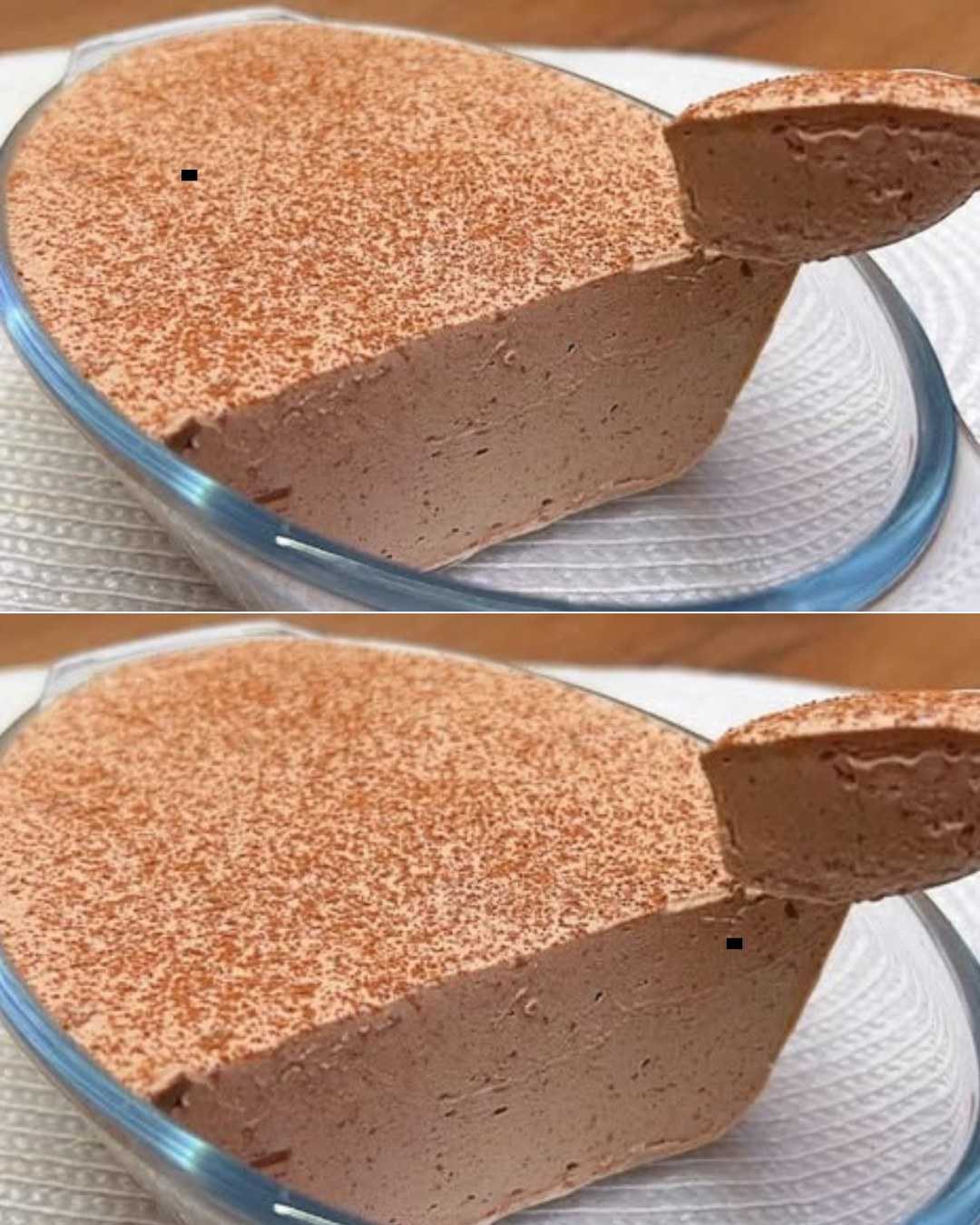
Before serving, you can garnish the mousse with a dollop of whipped cream, a dusting of cocoa powder, or chocolate shavings for added flair. If you like a touch of crunch, you could also add some crushed nuts, such as hazelnuts or almonds, for a delightful contrast in texture.
You might wonder why ricotta is used in this chocolate mousse instead of the traditional whipped egg whites or just heavy cream. Ricotta cheese brings a creamy texture to the mousse but with less heaviness than traditional full-fat cream. It also has a mild flavor that pairs wonderfully with the rich, bitter notes of dark chocolate, creating a balanced and decadent dessert that isn’t overly sweet.
The addition of ricotta also adds some protein to the mousse, which helps give it a thicker, more satisfying consistency while maintaining the lightness that mousse is known for. Plus, ricotta is often lower in fat compared to traditional cream-based mousses, making this dessert a slightly lighter alternative without compromising on flavor.
– **Flavor Variations:** For a twist, you can infuse the mousse with different flavors such as orange zest, espresso powder, or even a splash of liqueur (like Grand Marnier or Chambord) for added depth.
– **Dairy-Free Option:** If you’re looking for a dairy-free version, you can try substituting the ricotta with a plant-based ricotta (like almond or cashew ricotta) and use coconut cream or a dairy-free whipped topping in place of heavy cream.
– **Sweetness Level:** Feel free to adjust the sweetness by adding more or less powdered sugar depending on your preference. If you like a slightly less sweet mousse, start with less sugar and taste as you go.
### Final Thoughts
