ADVERTISEMENT
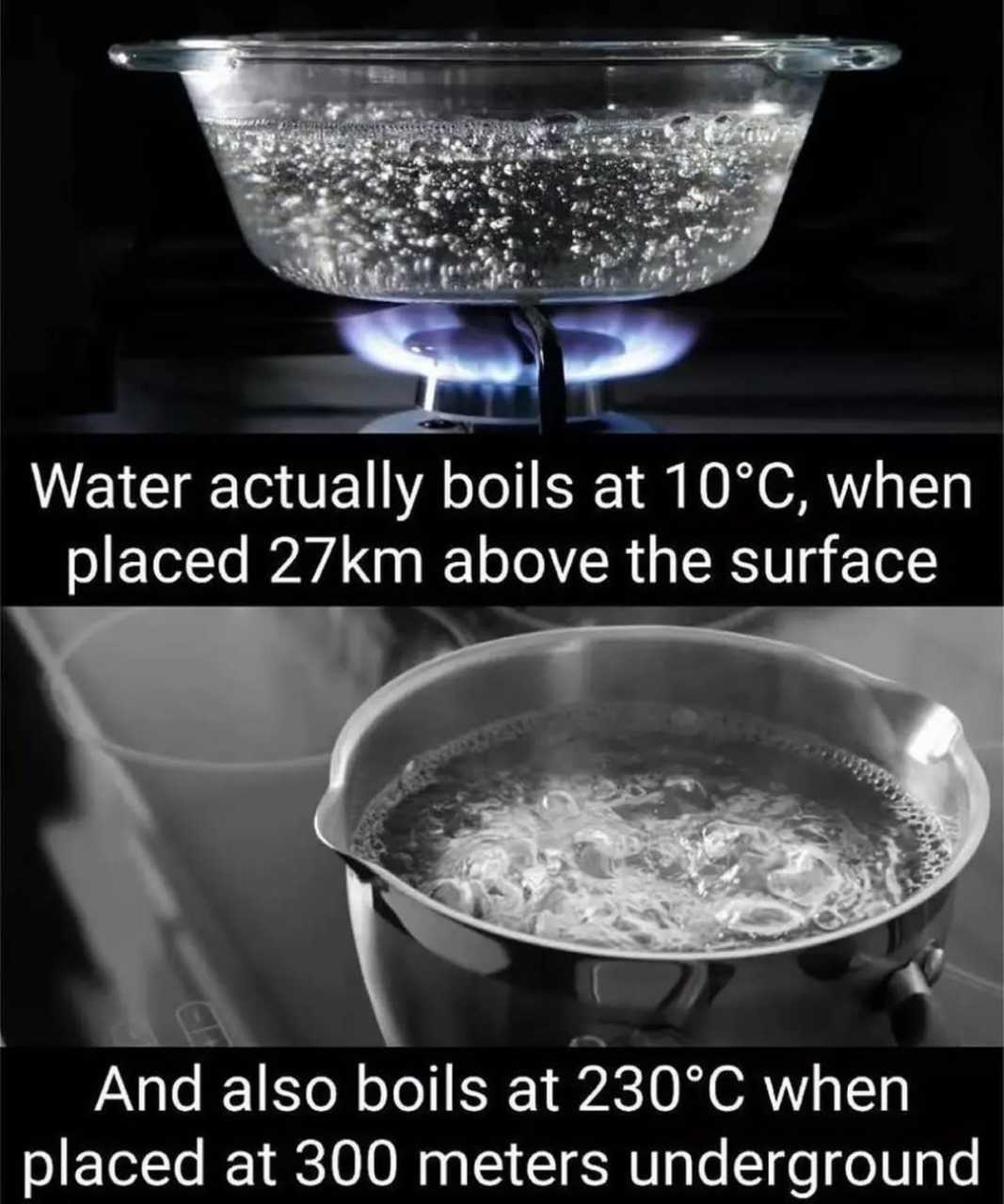
**Water Boils at 10°C at 27 km Above Ground: The Science Explained**
This surprising phenomenon occurs due to the change in **atmospheric pressure** with altitude. As we ascend higher into the atmosphere, the pressure decreases, which in turn lowers the boiling point of water. Let’s explore the science behind this and why water boils at a much lower temperature at such high altitudes.
### Understanding Boiling Point and Atmospheric Pressure
At **sea level**, the atmospheric pressure is approximately **1013.25 millibars (mb)**, which is the standard atmospheric pressure. Under these conditions, water boils at **100°C (212°F)** because the vapor pressure of the liquid matches the atmospheric pressure.
However, as we ascend to higher altitudes, the air pressure decreases, meaning there are fewer air molecules pushing down on the water. This decrease in atmospheric pressure causes water to boil at a lower temperature. At **27 km (17 miles)** above the Earth’s surface, the atmospheric pressure drops significantly, and water only needs to reach **10°C** (50°F) to boil.
The Earth’s atmosphere is made up of layers, with the densest part of the atmosphere closest to the Earth’s surface. As we move higher into the atmosphere, the air becomes thinner, and the pressure decreases. This reduction in air pressure causes the boiling point of water to drop as well.
