ADVERTISEMENT
#### **Step 1: Activate the Yeast**
1. In a small bowl, combine the warm milk, sugar, and yeast. Stir to dissolve and let sit for about 5-10 minutes, or until it becomes frothy. This ensures that the yeast is activated and ready to work its magic.
#### **Step 2: Mix the Dough**
1. In a large bowl, combine the flour and salt. Make a well in the center and pour in the activated yeast mixture, melted butter, egg, and vinegar.
2. Mix the ingredients until a dough forms. You can use a wooden spoon or your hands to bring the dough together. If it’s too sticky, add a bit more flour, but be careful not to add too much to avoid making the dough too dense.
#### **Step 4: Prepare the Butter Block**
1. While the dough is rising, take the cold butter and place it between two sheets of parchment paper. Use a rolling pin to pound the butter into a flat square, about ½ inch thick. Place the butter square in the fridge to keep it cold while you proceed.
#### **Step 5: Roll Out the Dough**
1. Once the dough has risen, punch it down to release any air bubbles. Turn it out onto a lightly floured surface and roll it into a large rectangle, about ½ inch thick.
2. Place the cold butter block in the center of the dough, making sure it’s centered and evenly spaced.
#### **Step 7: Shape the Croissants**
1. After the final chilling, roll the dough into a large rectangle about ¼ inch thick.
2. Cut the dough into long triangles (about 4-5 inches wide at the base and 6-8 inches long).
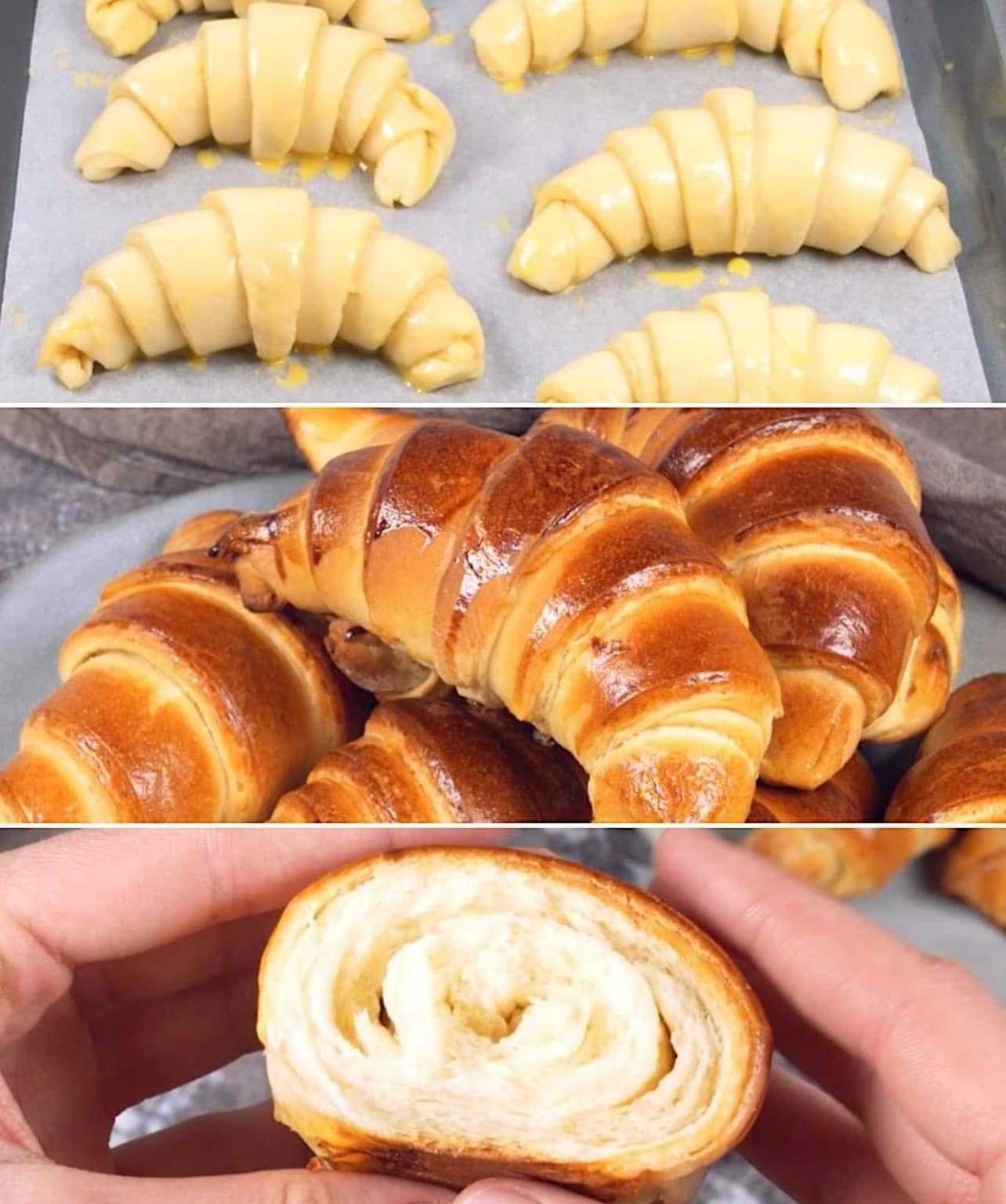
3. Starting from the wide edge of each triangle, carefully roll it up tightly, forming a crescent shape. Tuck the ends slightly to help them hold their shape.
#### **Step 9: Bake the Croissants**
1. Preheat your oven to 400°F (200°C).
2. In a small bowl, whisk together the egg and water to create an egg wash. Brush the tops of the croissants with the egg wash to give them a golden, glossy finish when baked.
3. Bake the croissants for 15-20 minutes, or until they are golden brown and puffed up beautifully. The croissants should be crisp on the outside, with a soft, buttery interior.
—
### **Serving Suggestions**
—
### **Tips for Success**
—
This **super soft croissant recipe** works because of the careful process of lamination, which creates layers of dough and butter that bake up into a light, flaky, and tender pastry. By combining the right technique with the perfect balance of butter and dough, you’ll achieve croissants that are both airy and soft, with the ideal texture and flavor. The patience required to roll and fold the dough pays off with every bite, making the effort more than worth it.
Whether you’re making croissants for a special occasion or simply indulging in a homemade treat, these super soft croissants are sure to delight and impress.
