ADVERTISEMENT
#### Step 2: Inspect the Flapper Valve
The most common culprit for a running toilet is a faulty flapper valve. Over time, flappers can become worn, cracked, or covered in mineral deposits, preventing them from forming a proper seal.
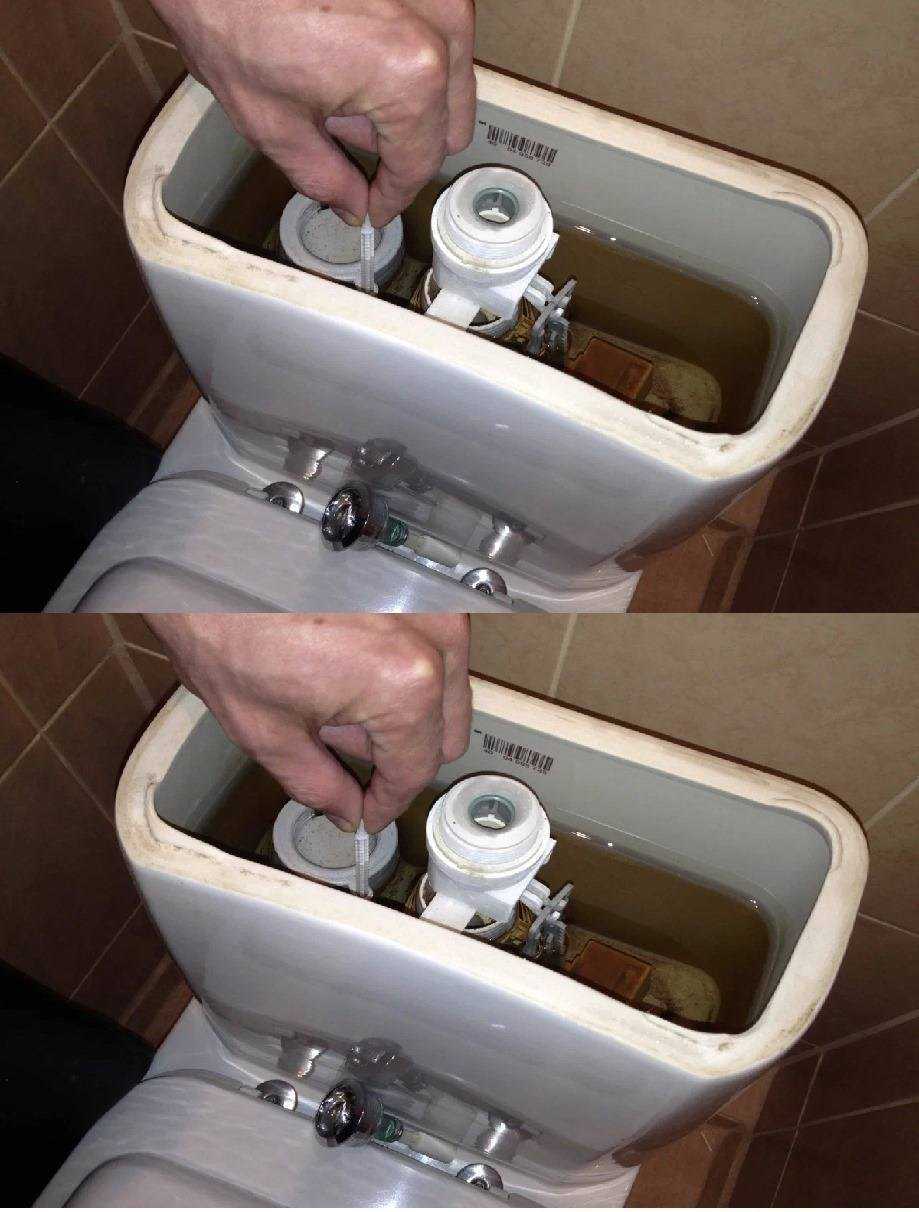
– **Check the Flapper:** Lift the lid off the toilet tank and inspect the flapper, which is usually a rubber or plastic piece that sits over the opening at the bottom of the tank. If it’s worn, cracked, or covered in buildup, it needs to be replaced.
#### Step 3: Replace the Flapper (if necessary)
If the flapper is damaged, it’s time to replace it. Flappers are inexpensive and easy to find at most hardware stores.
– **Remove the Old Flapper:** Disconnect the chain from the flapper, and unhook it from the pegs that hold it in place. Remove the old flapper from the tank.
#### Step 4: Adjust the Chain Length
The chain connected to the flapper can sometimes cause problems if it’s too tight or too loose. If the chain is too tight, it may prevent the flapper from closing properly, causing water to continuously flow. If it’s too loose, the flapper may not open fully when you flush.
#### Step 5: Check the Fill Valve (if necessary)
If your toilet continues to run after replacing the flapper, the issue may be with the fill valve. A malfunctioning fill valve can cause the tank to overfill, leading to a constant running sound.
– **Adjust the Fill Valve:** If the fill valve seems fine but the tank is overfilling, it may need to be adjusted. Most fill valves have a height adjustment screw or clip that can be used to change the water level in the tank. Adjust the screw to lower the water level slightly, which should prevent it from running into the overflow tube.
#### Step 6: Turn the Water Supply Back On
Once you’ve replaced the flapper and adjusted the chain and fill valve, it’s time to turn the water supply back on. Slowly turn the shut-off valve counterclockwise to allow the tank to fill. Wait a few moments and check for any leaks or issues.
### Additional Tips
– **Clean the Tank:** While you’re working on your toilet, take a few minutes to clean the inside of the tank. Mineral buildup or grime can affect the functionality of the components.
– **Check for Leaks:** After completing the repair, check the area around the tank for any signs of leaks. If you notice any, make sure all connections are tight, and consider replacing any damaged seals or washers.
– **Consider Professional Help:** If you’ve followed these steps and the toilet is still running, it may be time to call a plumber. Some plumbing issues, such as a problem with the toilet’s float mechanism or more extensive damage to the tank, may require professional attention.
A running toilet doesn’t have to be a persistent issue. With this simple method from an experienced plumber, you can solve the problem once and for all. By replacing the faulty flapper, adjusting the chain and fill valve, and ensuring everything is properly aligned, your toilet will run smoothly without wasting water or causing frustration.
