ADVERTISEMENT
1. **Place the Eggs in a Pot**: Carefully arrange the eggs in a single layer at the bottom of a large pot. Make sure they’re not stacked on top of each other to avoid cracking during cooking.
2. **Cover with Water**: Add enough cold water to the pot to cover the eggs by at least an inch or two. This ensures even cooking.
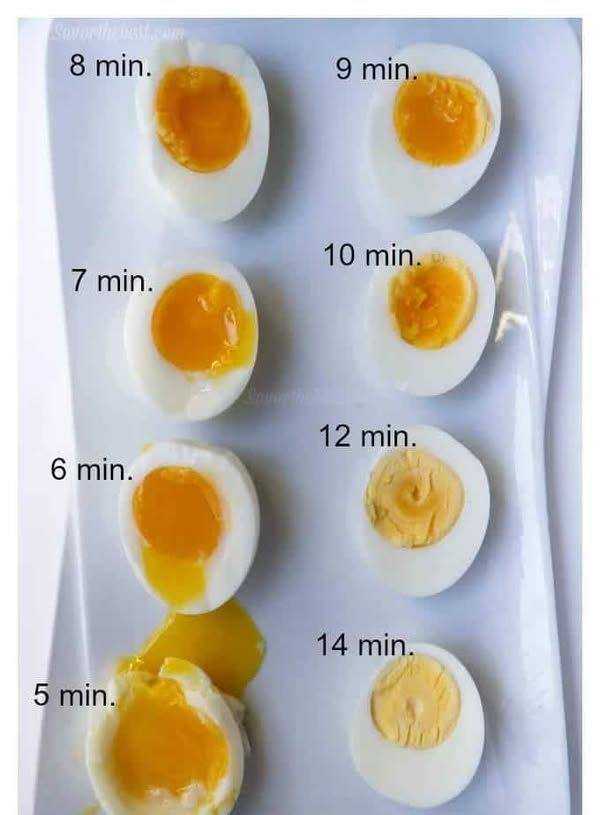
4. **Reduce Heat and Simmer**: Once the water reaches a rolling boil, reduce the heat to low or medium-low to maintain a simmer. **This is when timing becomes critical**. Set a timer for your preferred level of doneness:
– **For soft-boiled eggs**: Simmer for 4-5 minutes.
– **For medium-hard-boiled eggs**: Simmer for 6-8 minutes.
– **For hard-boiled eggs**: Simmer for 9-12 minutes.
5. **Prepare an Ice Bath**: While your eggs are cooking, prepare a bowl of ice water. This will help immediately stop the cooking process, preventing overcooking and ensuring the eggs are easy to peel.
7. **Peel and Enjoy**: Once the eggs have cooled, gently tap them on the counter to crack the shell, then peel them under running water for easy removal.
One of the most frustrating parts of making hard-boiled eggs is peeling them! Sometimes, the shells stick to the whites, making it look like a mess instead of the smooth, clean egg you were hoping for. But don’t worry, there are some tricks to make your hard-boiled eggs easier to peel:
2. **Shock in Ice Water**: After boiling, immediately transferring the eggs to an ice water bath helps to contract the egg whites slightly, creating a bit of space between the shell and the egg. This makes peeling much easier.
3. **Peel Under Running Water**: Peeling the eggs under cold running water helps loosen any stubborn bits of shell and ensures the whites stay intact.
### Tips for Storing Hard-Boiled Eggs
If you’ve made a big batch of hard-boiled eggs (or just want to keep a few on hand for snacks or meals), here’s how to store them properly:
2. **Peel Before Storing (If Necessary)**: If you prefer to peel the eggs before storing them, place the peeled eggs in an airtight container with a damp paper towel to prevent them from drying out.
4. **Freezing Hard-Boiled Eggs (Optional)**: While you can freeze hard-boiled eggs, it’s not ideal for the texture. The whites tend to become rubbery once thawed. If you decide to freeze them, peel the eggs and wrap them individually in plastic wrap or store them in an airtight container.
### Conclusion: Timing Is Key to Perfect Hard-Boiled Eggs
Hard-boiled eggs may seem simple, but getting the timing just right is crucial for that perfect result. Whether you like your eggs soft and creamy or fully set with a firm yolk, following the proper cooking time and using the tips for easy peeling will ensure your eggs come out just the way you want.
So, the next time you’re in the kitchen preparing hard-boiled eggs, remember that **timing is everything**. With this simple method and a little practice, you’ll be able to make perfectly boiled eggs every time. Enjoy!
