ADVERTISEMENT
#### 3. **Loaded with Antioxidants:**
Chia seeds are packed with antioxidants, which help fight free radicals in the body and may reduce the risk of chronic diseases like heart disease and cancer. Antioxidants also help protect the seeds themselves from going rancid, which is why they have a long shelf life.
#### 4. **Great Source of Protein:**
Chia seeds contain all nine essential amino acids, making them a **complete source of protein**. This is particularly beneficial for vegetarians and vegans who may struggle to get enough protein from plant-based sources. Protein is essential for muscle repair, immune function, and overall health.
#### 6. **May Aid in Blood Sugar Control:**
Chia seeds may help stabilize blood sugar levels, which can be particularly beneficial for people with diabetes or those at risk of developing the condition. The high fiber content and the ability of chia seeds to form a gel when mixed with liquid may slow down the absorption of sugar into the bloodstream, preventing rapid spikes in blood sugar.
### **Are There Any Risks or Downsides to Eating Chia Seeds?**
#### 1. **Choking Hazard if Not Hydrated:**
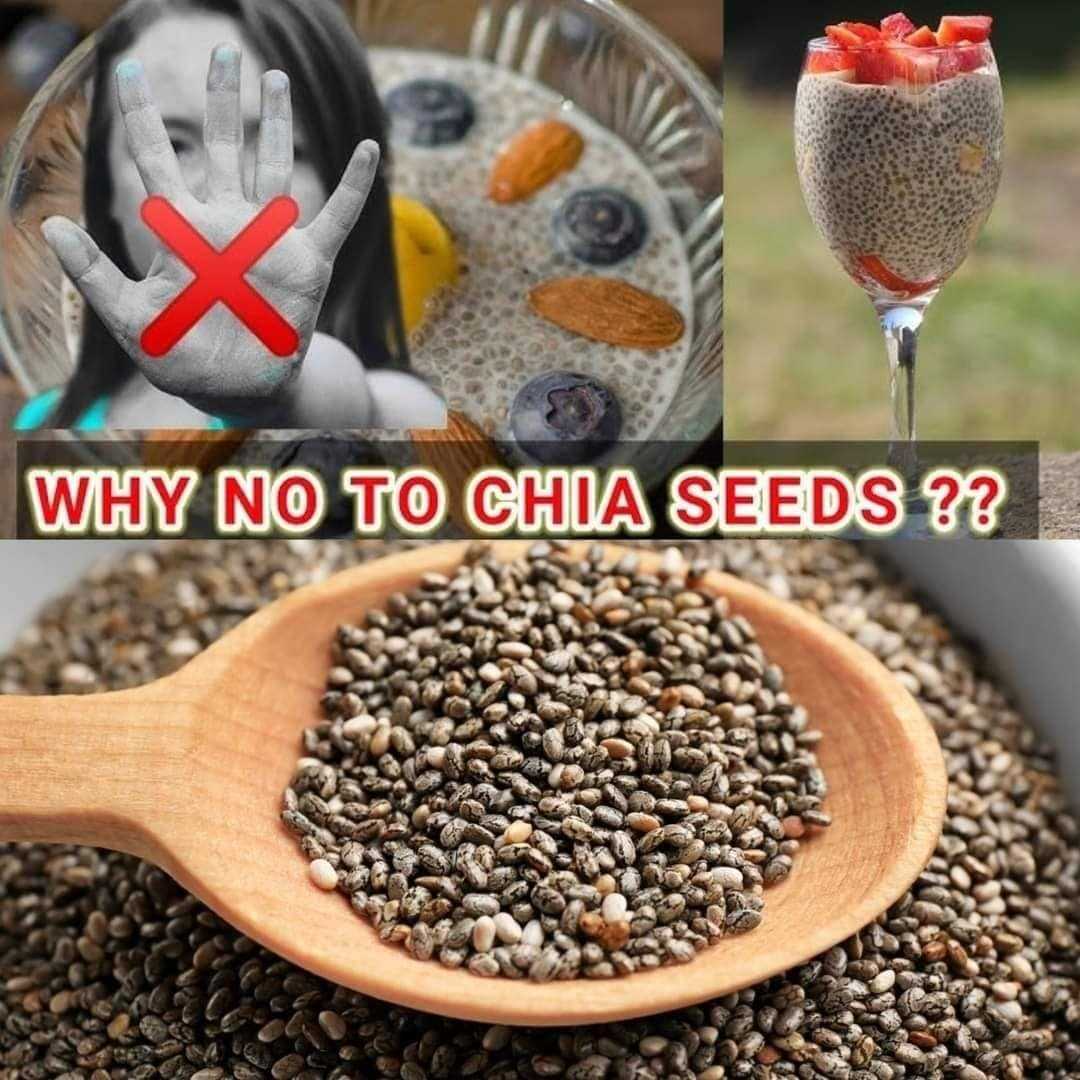
Chia seeds have the ability to absorb a significant amount of liquid—up to 12 times their weight. If you consume dry chia seeds without properly hydrating them, they can swell in your throat, potentially leading to a choking hazard. To avoid this, always soak chia seeds in liquid for at least 15-20 minutes before eating, or use them in recipes where they are already hydrated, like chia pudding.
#### 3. **Potential Digestive Issues:**
For some people, the high fiber content of chia seeds may cause digestive discomfort, such as bloating or gas, especially if they aren’t accustomed to a high-fiber diet. To avoid this, it’s best to start with small amounts and gradually increase your intake to give your digestive system time to adjust.
#### 5. **Allergic Reactions:**
Though rare, some individuals may be allergic to chia seeds. Symptoms of an allergic reaction can include swelling, rashes, or difficulty breathing. If you suspect an allergy, it’s important to avoid chia seeds and consult a healthcare professional.
### **How to Safely Incorporate Chia Seeds into Your Diet:**
– **Hydrate them first**: Always soak chia seeds in water, milk, or a plant-based liquid before eating them. This prevents them from expanding in your throat and ensures they’re easily digestible.
– **Start small**: If you’re new to chia seeds, start with small amounts (1-2 tablespoons per day) and gradually increase your intake. This will give your digestive system time to adjust.
– **Use them in smoothies, oatmeal, or salads**: Chia seeds can be added to a variety of foods, from smoothies and oatmeal to baked goods, salads, and yogurt. Their neutral flavor makes them easy to mix into almost any dish.
– **Drink plenty of water**: Because chia seeds are so high in fiber, it’s important to stay hydrated throughout the day. This helps prevent constipation and supports proper digestion.
### **Conclusion: Are Chia Seeds Bad for You?**
Overall, chia seeds are a nutrient-packed, versatile addition to a balanced diet and can be enjoyed safely by most people. So go ahead—sprinkle them on your oatmeal, blend them into your smoothies, or make some delicious chia pudding. Just be sure to enjoy them mindfully, and they’ll provide your body with all the amazing benefits they have to offer!
