ADVERTISEMENT
**Title: Why and How to Freeze Eggs Correctly: A Handy Guide for Kitchen Savvy Cooks**
In this article, we’ll explain why you might want to freeze eggs, how to do it correctly, and provide tips on how to make the most out of frozen eggs for future recipes.
### Why Freeze Eggs?
1. **Avoid Waste**: If you’ve bought eggs in bulk or have too many on hand, freezing them prevents them from going to waste.
2. **Save Money**: Eggs can sometimes go on sale in large cartons, and freezing them allows you to take advantage of discounts without worrying about using them up quickly.
3. **Meal Prep**: If you bake or cook in large batches, freezing eggs in advance allows you to prepare for recipes that require eggs without worrying about them spoiling.
4. **Emergency Stock**: Having frozen eggs on hand means you’ll always have them available for cooking or baking, even if you run out of fresh eggs.
### What You Need to Know Before Freezing Eggs
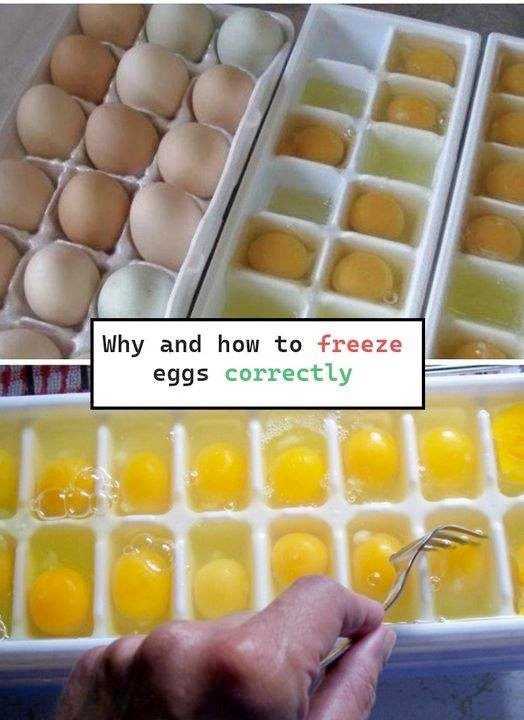
– **Eggshells don’t freeze well**: Freezing eggs in their shells is not a good idea, as the shell can crack and cause a mess in the freezer. It’s better to **crack** the eggs and freeze the contents.
– **Don’t freeze cooked eggs**: While raw eggs freeze well, cooked eggs (like scrambled eggs or hard-boiled eggs) can change texture and become watery when thawed, so they don’t freeze well.
