ADVERTISEMENT
#### Step 1: Prepare the Area
1. **Clear the Space**: Move furniture, appliances, and decor away from the walls to give yourself room to work.
2. **Protect the Floor**: Lay down drop cloths or old towels to catch any drips or spills.
3. **Ventilate the Kitchen**: Open windows or turn on the exhaust fan to ensure proper airflow.
#### Step 2: Test a Small Area
Before applying any cleaning solution, test it on a small, inconspicuous area of the wall to ensure it doesn’t damage the paint or finish.
1. **Dish Soap and Warm Water** (for light grease):
– Mix 1-2 tablespoons of dish soap with a bucket of warm water.
– Dip a microfiber cloth or sponge into the solution and wring it out.
2. **Vinegar and Water** (for moderate grease):
– Mix equal parts white vinegar and water in a spray bottle.
– Spray the solution directly onto the stained area.
4. **Rubbing Alcohol** (for heavy grease):
– Dampen a cloth with rubbing alcohol and gently rub the stained area.
#### Step 4: Clean the Walls
1. **Start from the Bottom**: Begin cleaning at the base of the wall and work your way up to prevent streaks.
2. **Scrub Gently**: Use a soft-bristle scrub brush or sponge to gently scrub the stained areas. Avoid using excessive force, as this can damage the paint.
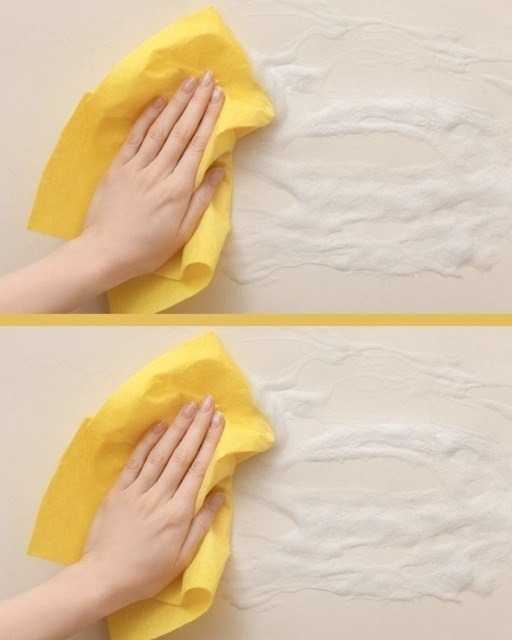
3. **Rinse with Clean Water**: After scrubbing, wipe the area with a clean, damp cloth to remove any residue.
4. **Dry the Walls**: Use a dry microfiber cloth to wipe the walls and prevent water spots.
#### Step 6: Finish with a Final Wipe
Once the walls are clean, give them a final wipe with a clean, damp cloth to ensure all cleaning solution is removed. Dry thoroughly with a microfiber cloth.
—
1. **Install a Splash Guard**: Place a splash guard behind your stove to catch oil splatters.
2. **Use a Range Hood**: Always use your range hood or exhaust fan while cooking to reduce oil particles in the air.
3. **Clean Regularly**: Wipe down your kitchen walls weekly with a mild cleaning solution to prevent buildup.
4. **Choose the Right Paint**: If you’re repainting your kitchen, opt for a semi-gloss or satin finish, which is easier to clean than flat paint.
5. **Cover Your Pots and Pans**: Use lids to minimize splatters while cooking.
—
#### Natural Cleaners (e.g., Vinegar, Baking Soda):
– **Pros**: Eco-friendly, non-toxic, and safe for most surfaces.
– **Cons**: May require more effort for heavy grease.
For most cases, natural cleaners are sufficient and safer for your health and the environment. Reserve chemical cleaners for extreme situations.
—
### **Common Mistakes to Avoid**
– **Using Abrasive Tools**: Steel wool or harsh scrubbers can scratch walls and damage paint.
– **Skipping the Test Patch**: Always test your cleaning solution on a small area first.
– **Over-Wetting the Walls**: Excessive water can seep into walls and cause damage.
– **Ignoring Ventilation**: Always ensure proper airflow when using cleaning solutions, especially chemical ones.
—
### **When to Call a Professional**
If you’ve tried everything and the oil stains still won’t budge, or if you’re dealing with delicate surfaces like wallpaper, it may be time to call in a professional cleaner. They have the expertise and tools to tackle even the toughest stains without damaging your walls.
—
### **Conclusion**
Removing oil from kitchen walls may seem like a daunting task, but with the right tools, techniques, and a little elbow grease, it’s entirely achievable. By following this comprehensive guide, you can restore your kitchen walls to their former glory and keep them looking clean and fresh. Remember, prevention is key—regular maintenance and good cooking habits will go a long way in keeping grease at bay.
So, roll up your sleeves, grab your cleaning supplies, and get ready to transform your kitchen into a sparkling, oil-free haven. Happy cleaning!
