ADVERTISEMENT
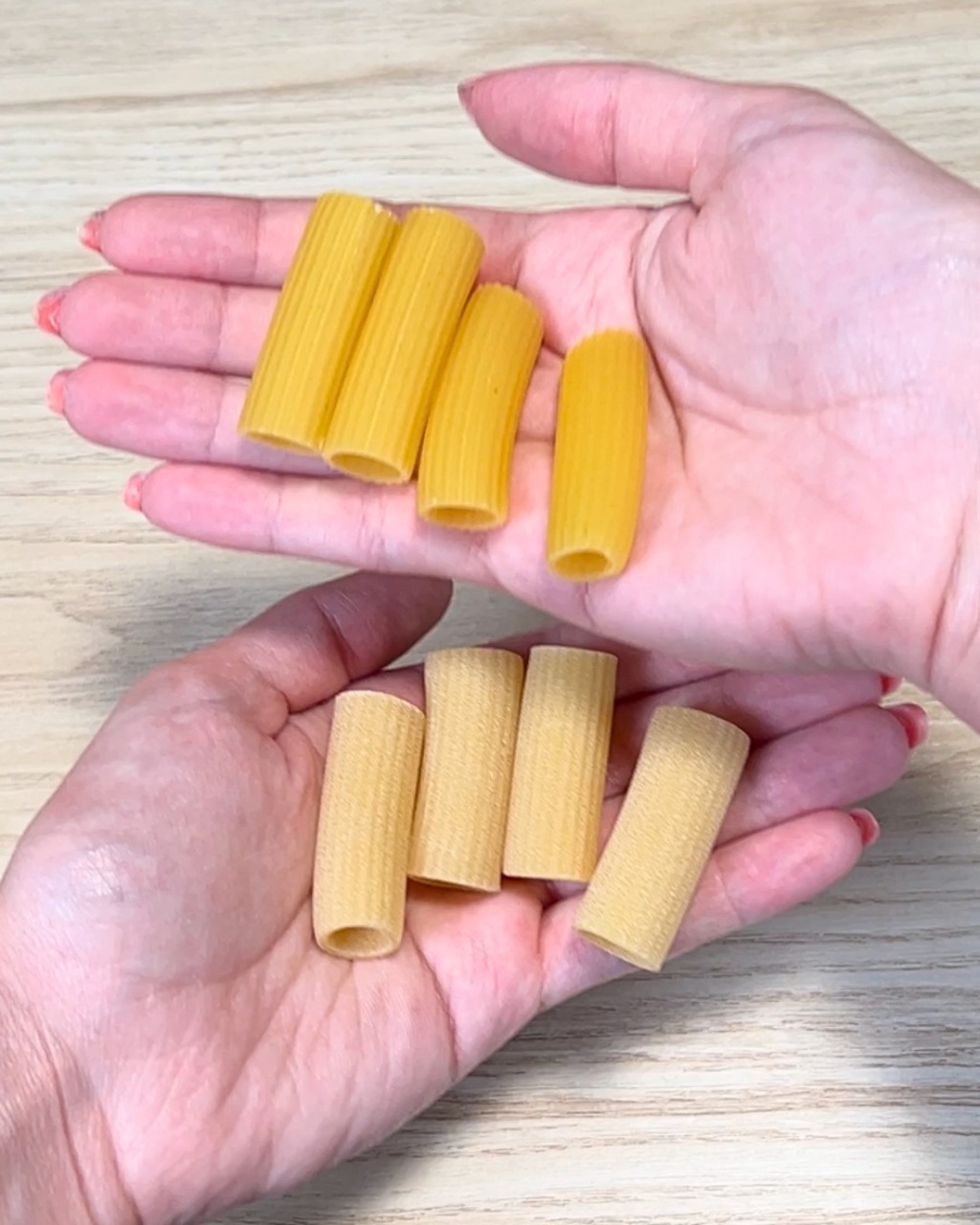
**Why Is Raw Pasta Sometimes Lighter and Sometimes Darker? Blame It on Furosine**
In this article, we’ll explore the fascinating world of pasta production, the factors that influence its color, and how furosine plays a key role in why raw pasta sometimes appears lighter or darker. By the end, you’ll understand more about the science behind this seemingly simple food and how it can affect the final taste, texture, and overall quality of your pasta dishes.
### **Understanding Pasta: From Wheat to Raw Product**
While pasta production is a relatively simple process, many factors influence the final appearance of the raw product, including:
– **The type of wheat used**: Durum wheat, a hard wheat variety, is typically used to make pasta. However, the quality and specific cultivar of durum wheat can affect the color of the pasta.
– **The drying method**: How pasta is dried—whether it’s air-dried or dried at higher temperatures—also influences its final color. Air-dried pasta tends to be lighter, while rapidly dried pasta is often darker.
Furosine is a naturally occurring compound that forms during the Maillard reaction, a chemical reaction that occurs when reducing sugars (like glucose) combine with amino acids, typically at higher temperatures. This reaction is responsible for the browning of foods when they’re cooked or processed.
