ADVERTISEMENT
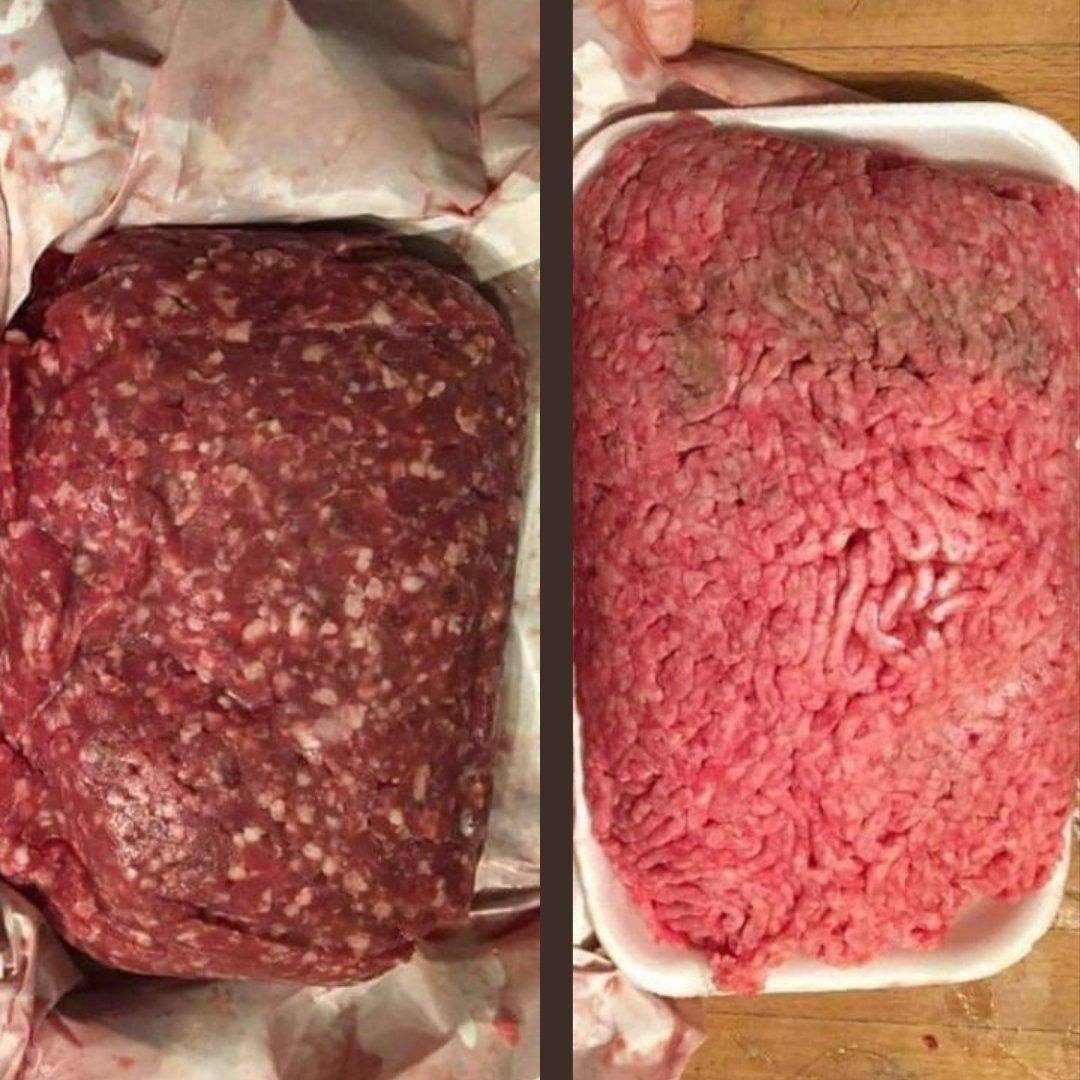
– **Store-Bought Beef**: In conventional beef production, cattle are often given antibiotics to prevent disease or to promote faster growth. This can result in trace amounts of antibiotics remaining in the meat, despite efforts to eliminate them before slaughter. Additionally, growth hormones like recombinant bovine growth hormone (rBGH) or estrogen are sometimes used to increase the size of the cattle and the yield of beef. These hormones can end up in the meat, which has raised concerns about their potential effects on human health over time.
– **Farm-Fresh Beef**: Most farm-fresh beef, particularly if it’s organic or from small, sustainable farms, is raised without the use of antibiotics or hormones. These animals are often allowed to graze freely on pasture, which not only provides a healthier environment for the cattle but also results in a cleaner, more natural product for the consumer. When you buy farm-fresh beef, you’re likely getting a product free from added chemicals and growth stimulants.
– **Store-Bought Beef**: Industrial beef production is resource-intensive. The large-scale grain-fed cattle operations often rely on monocultures of corn and soy, which require heavy pesticide use and contribute to soil degradation. Additionally, factory-farming practices can lead to water pollution, greenhouse gas emissions, and poor animal welfare.
– **Farm-Fresh Beef**: Sustainable, farm-fresh beef tends to have a lower environmental impact. Small farms that raise cattle on pasture often use rotational grazing techniques that improve soil health, reduce water pollution, and promote biodiversity. These farms also typically have a smaller carbon footprint due to the lack of large-scale machinery and feedlots.
– **Store-Bought Beef**: Beef from large industrial farms is often produced in confined feedlots, where cattle are kept in crowded conditions and fed a diet of grain. These conditions can lead to stress and illness among the animals, and their overall quality of life may be compromised.
### Final Thoughts: Which Beef Is Right for You?
When purchasing beef, always take the time to read labels and ask questions about how the cattle were raised. Buying from local farms or sourcing meat from trusted butchers can give you peace of mind and ensure that you’re getting the best possible product for your health, your family, and the planet.
So, the next time you’re in the meat aisle or talking to a local farmer, remember that the differences between store-bought and farm-fresh beef are more than just what meets the eye.
