ADVERTISEMENT
#### **1. Prepare the Buckwheat:**
– Start by rinsing the **buckwheat groats** thoroughly to remove any dust or impurities.
– Soak the buckwheat in **water** for about **12-24 hours**. The soaking process helps activate the enzymes and bacteria that aid in fermentation. If you can, change the water a couple of times during this period to keep things fresh.
#### **2. Blend the Buckwheat:**
– Once the buckwheat has soaked, drain it well and transfer it to a blender or food processor.
– Add a small amount of water (just enough to blend), and blend until smooth. The consistency should resemble a thick pancake batter. Be patient, as it may take a minute to break down all the grains into a creamy mixture.
#### **4. Preheat Your Oven:**
– Once your dough is fermented, preheat the oven to **350°F (175°C)**. If you have a **Dutch oven** or a heavy pot, preheat it inside the oven as well, as it helps create a steamy environment for the bread.
#### **5. Shape the Dough:**
– After fermentation, give the dough a quick stir. If you feel the mixture is too runny, you can add a small amount of buckwheat flour (from the same buckwheat groats) to thicken it slightly.
– Shape the dough into a round or oval loaf and place it onto a piece of parchment paper.
#### **7. Let it Cool:**
– Allow the bread to cool completely before slicing. This is essential, as the texture will set as it cools. Fresh out of the oven, it may be a bit too soft to slice properly.
## **Why This Bread is So Special**
– **Fermentation Boosts Nutritional Value**: Fermentation increases the digestibility of the bread and enhances the absorption of important nutrients. It’s a great option for those who want to add more probiotics and enzymes to their diet naturally.
– **Versatile and Nutritious**: This bread can be eaten on its own, used for sandwiches, or served as a side with soups and salads. It’s high in fiber, protein, and antioxidants, making it a nourishing addition to any meal.
## **Tips for Success**
– **Fermentation Time**: Don’t rush the fermentation process. The longer it ferments, the better the flavor will be. You can let it ferment for up to 48 hours if you prefer a stronger sourdough-like taste.
– **Storage**: Store this bread in an airtight container at room temperature for a few days, or freeze it for longer storage. Since it’s made with natural ingredients, it may not last as long as commercial gluten-free breads, but freezing it ensures you always have a loaf on hand.
## **Conclusion**
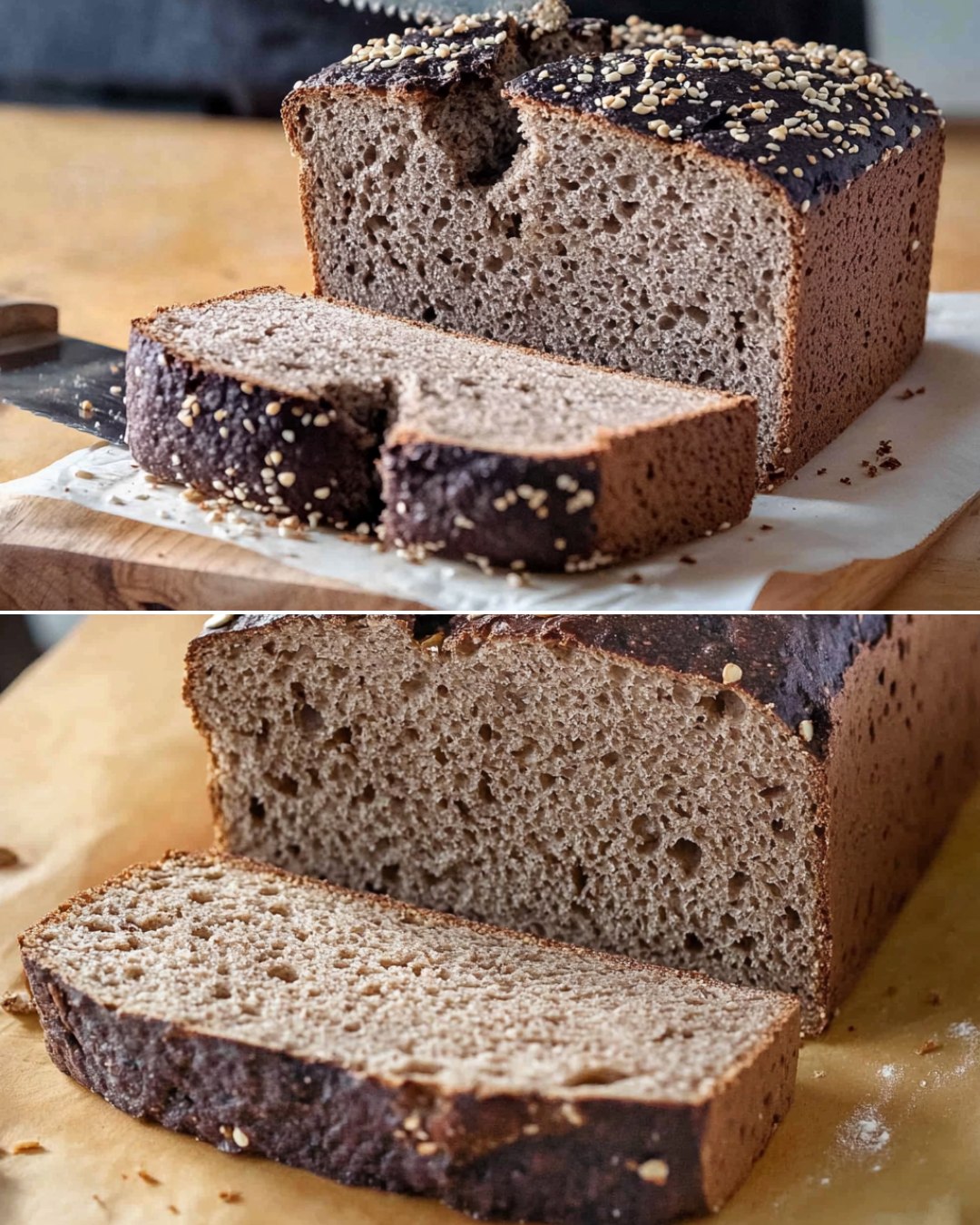
Homemade **fermented buckwheat bread** is a perfect gluten-free bread option that’s simple, nutritious, and full of flavor. Made with just buckwheat and water, this bread is as minimalistic as it is rewarding. The fermentation process adds depth and digestibility to the bread, while the buckwheat itself packs in protein, fiber, and essential nutrients.
This recipe is ideal for anyone looking to enjoy fresh, homemade bread without gluten or complicated ingredients. So give it a try and savor the simplicity and goodness of **one-ingredient bread**—a truly wholesome treat!
