ADVERTISEMENT
#### **6. Harvesting Your Celery**
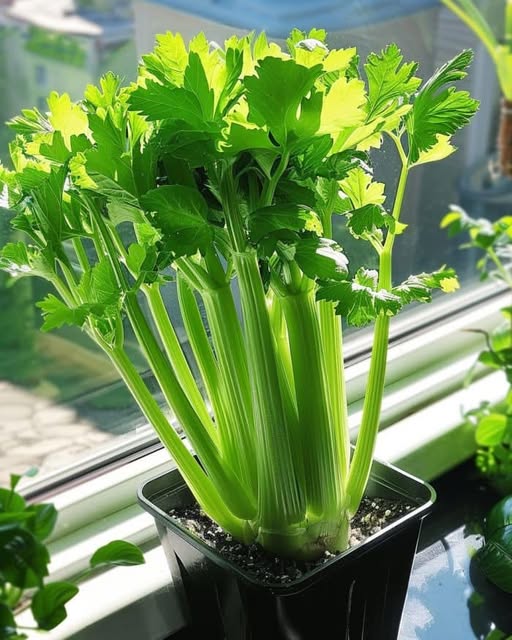
– Unlike many other vegetables, celery is a **cut-and-come-again** plant. This means that once the stalks are mature, you can harvest them while leaving the plant to continue growing.
– Wait until the celery stalks are **6-8 inches tall** (or longer) before you begin harvesting. Cut the outermost stalks at the base, close to the root, using a sharp knife or scissors. Leave the inner stalks to continue growing and producing more celery.
– As long as the plant is healthy and watered properly, new stalks will continue to grow, and you can keep harvesting regularly. This is how you can have a **never-ending supply** of celery!
—
– **Keep the Temperature Right**: Celery prefers cooler temperatures (around **55-75°F** or **13-24°C**). Avoid placing it in an area with hot, direct sunlight or near heat sources, as extreme temperatures can cause it to bolt (go to seed) prematurely.
– **Mulching**: Consider mulching around the base of your celery to help retain moisture in the soil and reduce the need for frequent watering.
– **Pest Control**: Celery is generally pest-resistant, but you may occasionally encounter aphids or other small insects. A gentle rinse with water or an organic insecticide should take care of them.
– **Spacing**: If you’re planting multiple celery stalks in a large container, make sure they’re spaced at least **6 inches apart** so the roots have enough space to spread.
—
– **Fresh and Organic**: Growing celery at home means you control what goes into it. No pesticides or chemicals—just fresh, organic celery.
– **Convenient**: Having celery on hand means you can use it in salads, soups, stews, and more without having to make a trip to the store.
– **Sustainable**: Growing your own vegetables is a great way to reduce waste, avoid packaging, and take part in a more sustainable lifestyle.
### **Conclusion:**
