ADVERTISEMENT
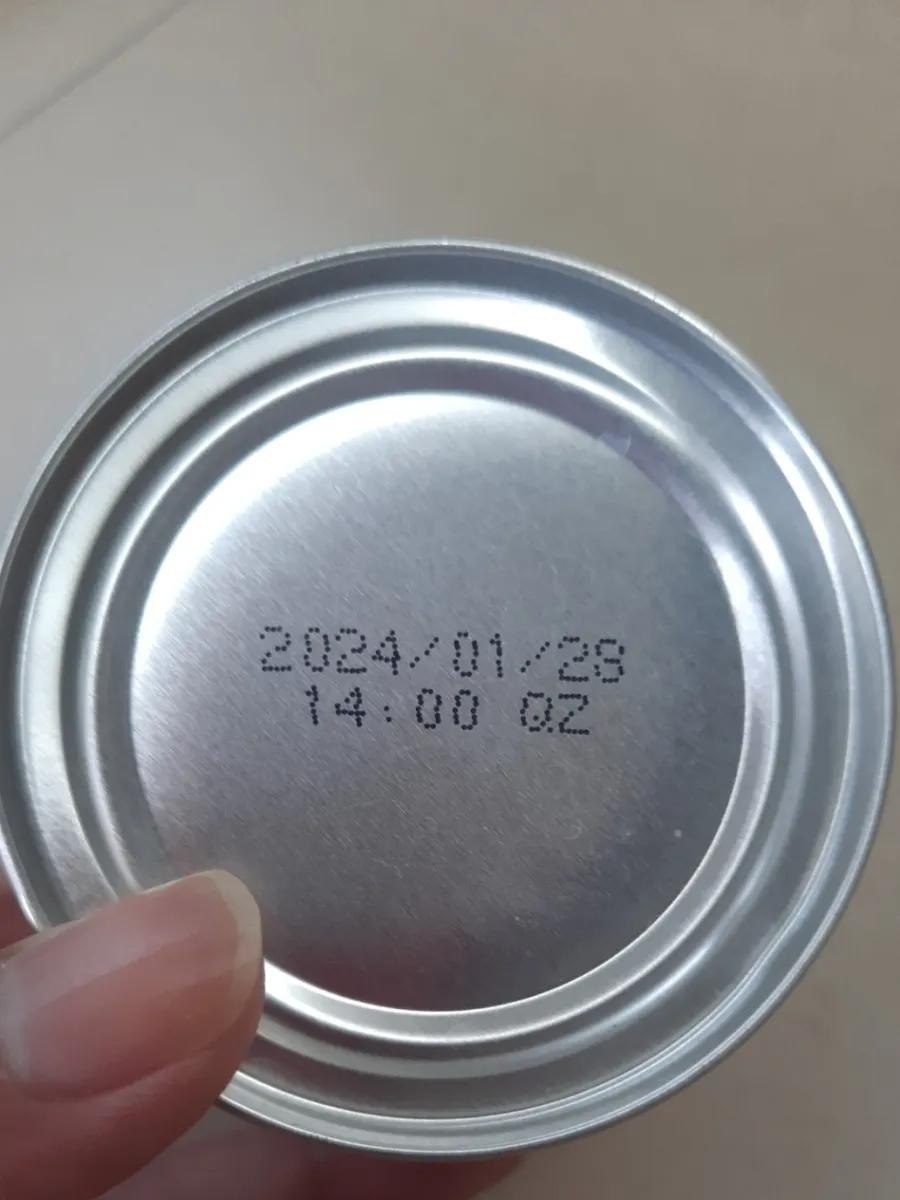
It’s tempting to ignore expiration dates, especially when food appears to still be fine. However, the safety of eating food after its expiration date depends on the type of food and how it’s been stored.
– **Dry or Non-Perishable Foods**: Items like pasta, canned goods, or rice can often last well beyond their expiration date, as long as they are stored in a cool, dry place. They might lose some quality, but they are usually safe to consume if there are no signs of spoilage.
– **Frozen Foods**: Freezing can extend the shelf life of food significantly. Even if frozen food is past its expiration date, it’s often still safe to eat. The quality might decline over time, but it’s unlikely to spoil as quickly as fresh food.
#### How to Tell if Food Has Gone Bad
– **Smell**: A sour or rancid smell is often a clear indicator that food is no longer good. Trust your nose—if something smells off, don’t eat it.
– **Appearance**: Mold, discoloration, or slimy textures are red flags. If you see any of these signs, it’s best to throw the food out.
– **Texture**: If the texture has drastically changed, like a mushy apple or rubbery meat, it’s probably past its prime.
– **Taste**: If food looks and smells okay but you’re still unsure, a small taste test can help. Just be cautious with highly perishable items like dairy and meats.
Proper storage can make a huge difference in extending the shelf life of food and reducing waste. Here are a few tips for storing food:
#### Conclusion
Food expiration dates are there to give guidance on the best time to consume food for flavor, quality, and safety. While the dates are important, they are not always the final word on whether food is safe to eat. By understanding the differences between terms like “best by,” “sell by,” and “use by,” and using your senses to assess food, you can reduce food waste and ensure that you’re not throwing out perfectly good food.
