ADVERTISEMENT
#### 1. **Start with Dry, Fresh Ingredients**
– Before you start assembling your salad, make sure all the ingredients are as dry as possible. Excess water will lead to wilting, so use a salad spinner to thoroughly dry your greens after washing them.
– You can also use a clean kitchen towel or paper towels to blot away any extra moisture from other ingredients like cucumbers, tomatoes, or bell peppers.
#### 2. **Use an Airtight Container**
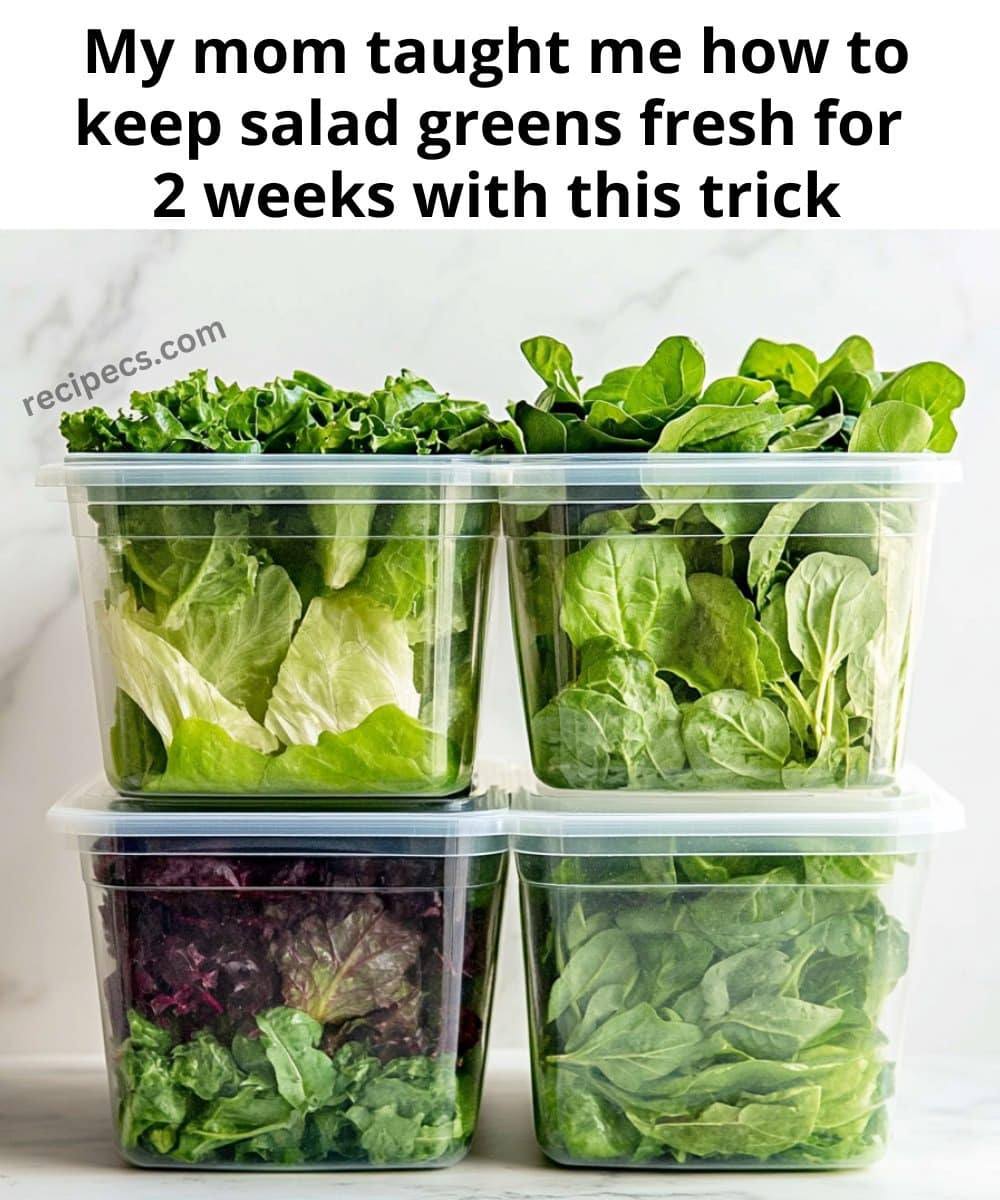
– The key to extending the freshness of your salad is limiting its exposure to air. Use an airtight container to store your salad ingredients. Glass containers or plastic containers with tight-fitting lids work well to maintain a sealed environment, which helps prevent the salad from wilting.
– If you prefer to store your salad in bags, consider using resealable zip-top bags with as much air removed as possible.
#### 4. **Separate the Dressing**
– If you want your salad to stay fresh for several days, it’s crucial to store the dressing separately. Dressings, especially those that are vinaigrettes or creamy, can cause the salad to become soggy and lose its texture.
– Store your dressing in a small container or jar and only add it to the salad right before you’re ready to serve or eat it.
#### 5. **Add Paper Towels to Absorb Excess Moisture**
– One of the best tricks to keep salads fresh longer is to add a paper towel or two to the container. The paper towels will absorb any moisture that is released from the vegetables, helping to keep the salad dry and crisp.
– Simply place a sheet of paper towel on top of the salad before sealing the container. Change the paper towel as needed if it becomes damp.
#### 7. **Don’t Cut Ingredients Too Early**
– If you plan on preparing your salad in advance, it’s best to leave ingredients like tomatoes, cucumbers, and avocados uncut until you’re ready to serve the salad. Cutting these ingredients ahead of time releases moisture and accelerates wilting.
– If you need to prep everything in advance, consider cutting the hard vegetables and leaving the softer, moisture-prone items whole.
#### 9. **Don’t Overstuff Your Containers**
– Overpacking a salad container can lead to crushing and bruising of the ingredients, which will result in faster spoilage. Make sure there’s enough room for air circulation, but don’t leave too much space for moisture to accumulate. A happy medium is the key to maintaining freshness.
### How Long Will a Salad Last?
If you follow these storage tips, a salad can last anywhere from 3 to 5 days in the refrigerator, depending on the ingredients used. However, salads with delicate greens (like lettuce or spinach) may start to lose their freshness after the third day, while heartier salads with grains, beans, or roasted vegetables can last up to 5 days.
### Conclusion:
By following these simple storage tips, you can extend the shelf life of your salads and enjoy fresh, crisp greens all week long. Whether you’re meal prepping or just trying to keep leftovers from going to waste, taking the time to properly store your salad ingredients will make a huge difference. Remember: dryness, proper layering, and separating the dressing are key to keeping your salads as fresh as the day you made them!
