ADVERTISEMENT
#### Step 1: Prepare the Milk
Start by pouring the whole milk into a large pot. Add 1 ½ teaspoons of citric acid dissolved in ¼ cup of cool, non-chlorinated water. Stir gently to dissolve. Heat the milk over medium heat while stirring occasionally. The goal is to warm the milk to about 85°F (29°C). This step is essential to help the milk acidify and prepare it for the next step.
#### Step 2: Add the Rennet
Once the milk has reached 85°F, it’s time to add the rennet. Dissolve 1/4 tablet of rennet (or 1/4 teaspoon of liquid rennet) in ¼ cup of cool water and stir it into the milk. Gently stir the mixture for about 30 seconds, then cover the pot and let it sit undisturbed for 30 to 45 minutes. During this time, the milk will begin to coagulate, forming a solid curd. After the resting period, the curd should be firm and cuttable.
#### Step 4: Cook the Curd
Now it’s time to cook the curds. Slowly heat the curds to 105°F (40°C) while gently stirring them. This helps the curds firm up. Continue stirring for about 15 minutes as the curds cook. You’ll notice the curds shrinking and releasing more whey as they cook. The goal is to reach the right consistency for kneading.
#### Step 5: Drain the Whey
Once the curds have reached the desired firmness, it’s time to separate them from the whey. Use a slotted spoon to transfer the curds into a large bowl. Save the whey, as it can be used for soups, baking, or smoothies.
#### Step 7: Shape the Mozzarella
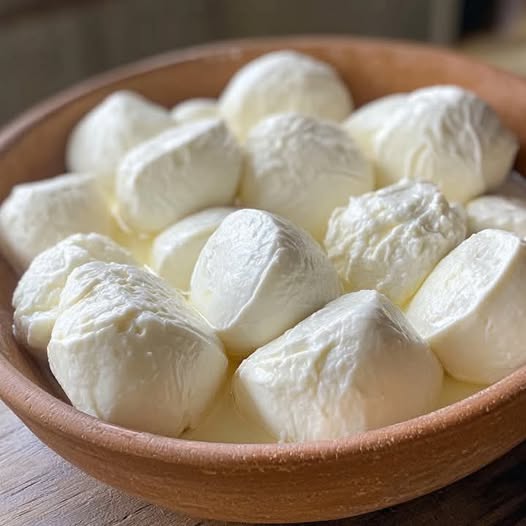
Once the cheese is kneaded and smooth, shape it into a ball or log shape, depending on your preference. If you want to make small bocconcini, form them into small balls. You can also stretch the cheese into a long rope shape for use on pizzas or in salads.
#### Step 9: Enjoy!
Now your homemade mozzarella is ready to enjoy! It’s best eaten fresh, but you can store it in a container with some of its whey or in a salt brine in the fridge for up to a week. Enjoy it on pizza, in a Caprese salad, or simply with some fresh tomatoes and basil.
– **Fresh Ingredients**: Always use the freshest milk and rennet you can find. The quality of these ingredients directly affects the final flavor and texture of your cheese.
– **Temperature Control**: Keep an eye on the temperature throughout the process. Cheese-making is a delicate balance of heat and timing, so be patient and precise.
– **Practice Makes Perfect**: Don’t be discouraged if your first batch isn’t perfect. Mozzarella-making is an art that gets better with practice!
### Conclusion
