ADVERTISEMENT
Guava is a fruit that is best when it’s perfectly ripe, but finding that sweet spot can sometimes be tricky. An underripe guava is hard, a bit astringent, and lacks the sweet, tropical flavor that makes it so desirable. On the other hand, overripe guava becomes mushy and may start to ferment or lose its bright flavor. When selecting guava, look for a fruit that gives slightly when pressed and has a fragrant aroma. It should have a soft texture but not be too mushy. If your guava is underripe, allow it to ripen at room temperature for a few days. If it’s overripe, use it in smoothies or baking where its softer texture can be masked.
### 3. **Don’t Ignore the Seeds**
### 4. **Don’t Overuse Sugar in Guava-Based Recipes**
Guava naturally contains a good amount of sugar, especially when it’s ripe, which makes it sweet and satisfying on its own. Many people tend to overcompensate and add excessive sugar when making guava jams, jellies, or desserts. While a little extra sugar may help balance the tartness of some varieties, too much can overwhelm the natural flavor of the fruit and make your recipe too sweet. Instead, aim to highlight guava’s natural sweetness by using less sugar, or experiment with natural sweeteners like honey or agave. Additionally, using a small amount of lime juice or a pinch of salt can enhance guava’s tangy flavor without relying on sugar.
Guava is a tropical fruit that needs a bit of time to ripen before it reaches its peak flavor. If you store guava in the fridge before it ripens, it will slow down the ripening process, and you might end up with a bland or hard fruit. Allow guavas to ripen at room temperature for a few days before placing them in the fridge. Once ripe, they can be stored in the refrigerator to extend their freshness. If you’re in a hurry to speed up the ripening process, place the guava in a paper bag with an apple or banana, as these fruits release ethylene gas, which helps accelerate ripening.
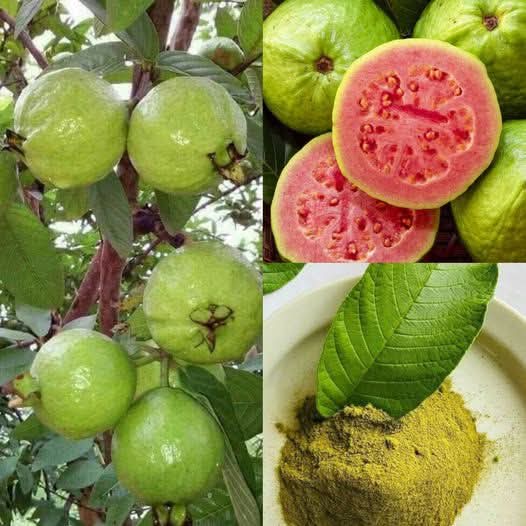
While not a common mistake, it’s worth mentioning that guava leaves are also valuable and have been used for medicinal purposes for centuries. Guava leaves contain antioxidants, antibacterial compounds, and may help with digestive issues. In some cultures, guava leaves are brewed into tea or used in traditional remedies. So, don’t toss them out—consider using them in teas or for other purposes like skincare or medicinal uses.
Guava is a fantastic fruit that offers plenty of versatility, but it’s important to handle and prepare it properly to get the best out of it. By avoiding these common mistakes, you can enjoy guava in all its delicious, nutrient-packed glory. Whether you prefer it fresh, in a smoothie, or in a cooked dish, make sure to treat this tropical gem with care for maximum flavor and health benefits. Next time you pick up a guava, remember these tips to make the most of this amazing fruit!
