ADVERTISEMENT
### 6. **Storage Tips for Longer Shelf Life**
If you want to leave butter on the counter but are worried about it going bad, there are a few storage tips that can extend its shelf life:
– **Store in smaller portions**: If you buy butter in bulk, consider only leaving a small amount (enough for a week or two) on the counter and refrigerating the rest. This way, you’ll always have fresh butter while keeping larger quantities cool and preserved.
– **Keep it in a dark, cool place**: Always store butter in a place away from direct sunlight or heat. A kitchen cupboard or pantry works well for keeping butter at a consistent temperature.
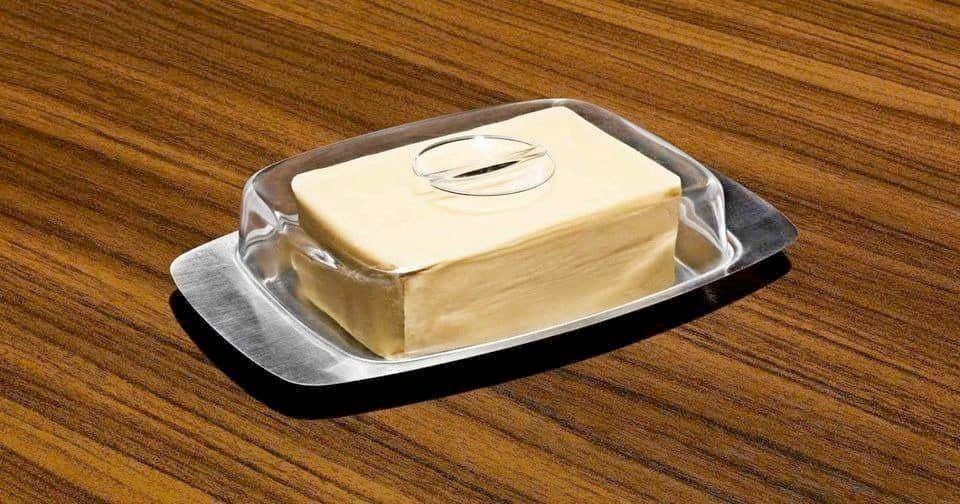
– **Use a butter dish or butter bell**: These containers help maintain the butter’s quality and keep it fresh longer.
If you don’t want to leave butter on the counter but still want to avoid the hassle of a hard, refrigerated block, you can consider **ghee** or **clarified butter**. Ghee is a form of clarified butter that has had its milk solids removed, giving it a higher smoke point and a longer shelf life. Since there is less water content in ghee, it can safely be stored at room temperature for extended periods.
### Pros and Cons of Leaving Butter on the Counter
#### **Cons:**
– **Shorter shelf life**: Butter stored at room temperature won’t last as long as butter stored in the fridge.
– **Risk of spoilage**: If left out too long or exposed to air, butter can spoil, develop rancid flavors, or grow mold.
– **Unsalted butter risks**: Unsalted butter is more susceptible to bacterial growth than salted butter.
In most cases, it’s safe to leave butter on the counter for a limited period—about 1 to 2 weeks—provided you follow a few simple storage rules. Salted butter fares better in this regard, but unsalted butter can also be stored at room temperature for short periods. Just remember to keep it in a cool, dry place, store it in a covered dish, and pay attention to signs of spoilage. If you like your butter soft and spreadable, there’s no need to refrigerate it every day, but be mindful of how long it’s been left out. By following these best practices, you can enjoy fresh, easy-to-use butter while avoiding the hassle of hard, refrigerated blocks.
