ADVERTISEMENT
– **Monasteries and Castles:** Monasteries and castles had larger, stone sinks that could be used for cleaning utensils, washing vegetables, and even laundering clothing. The designs were more utilitarian and focused on practicality rather than aesthetics.
### The Renaissance to the 18th Century: Innovations in Plumbing and Design
– **Renaissance Europe:** The Renaissance period saw some significant developments in interior design, and sinks were no exception. While the upper class had access to water features and running water, sinks were often ornate and decorative. These were often made of metal and placed in bathrooms or kitchens for washing purposes.
– **The Industrial Revolution (18th Century):** The Industrial Revolution brought a surge of innovation, with advancements in metalworking and plumbing. The concept of installing sinks with running water became more accessible to the middle class. Cast iron sinks with enamel coatings became popular, as they were durable and could withstand the rigors of everyday use.
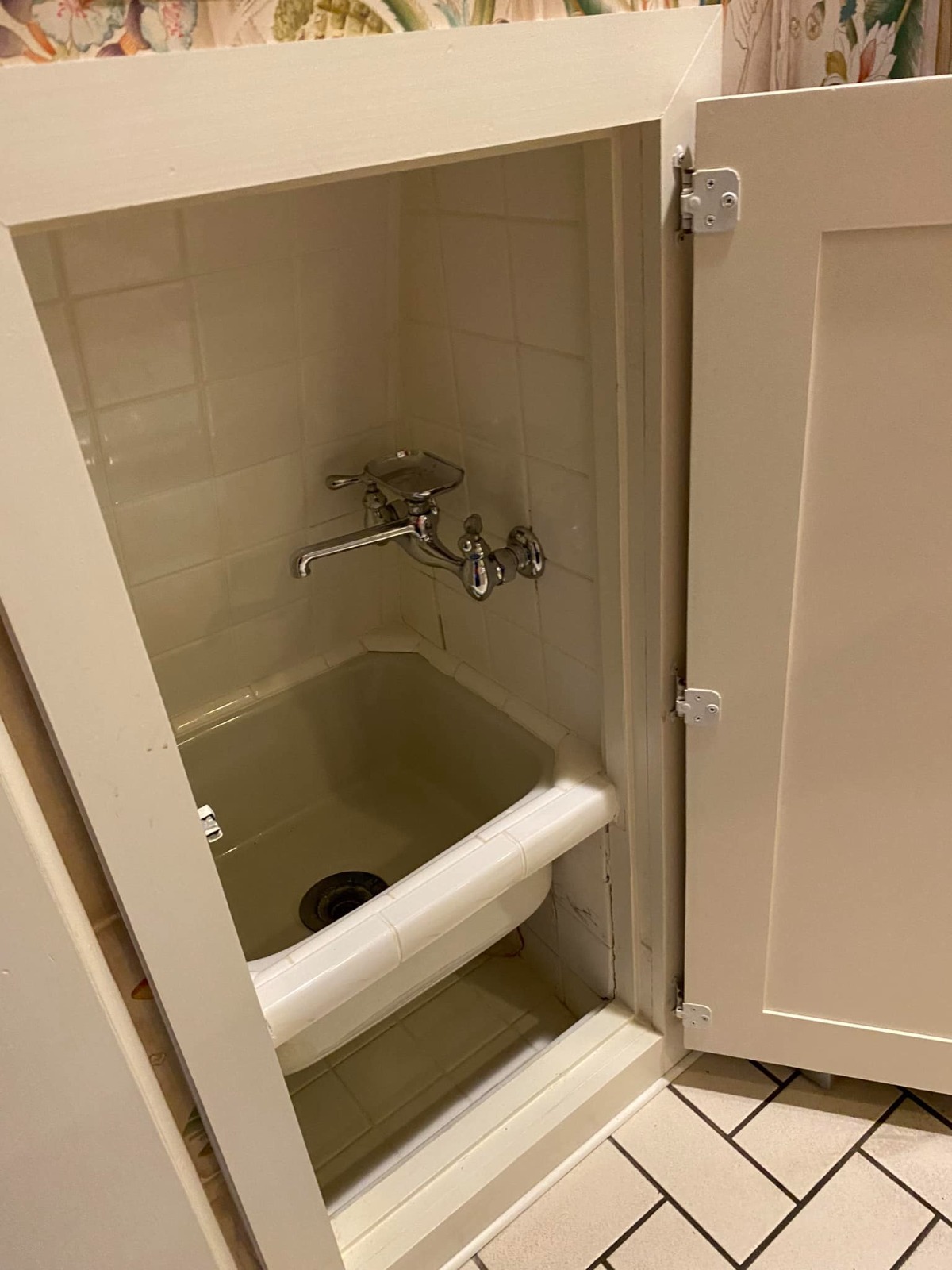
The early 20th century was a time of significant change for household sinks. Plumbing and water systems became more widespread, making sinks more common in every home. This period also saw the introduction of new materials and manufacturing techniques, which led to a variety of unique sink designs.
– **Undermount and Drop-In Sinks:** The concept of undermount sinks—where the sink is mounted underneath the countertop—became popular in the 1940s and 1950s, especially in kitchens. Drop-in sinks, where the sink is installed above the countertop with a lip, also gained popularity. These designs provided flexibility in kitchen layouts and increased ease of cleaning.
### Unique Sink Designs: Innovations of the 21st Century
In recent decades, sinks have evolved beyond mere functionality into works of art. Designers now experiment with materials, shapes, and sizes, giving birth to unique and innovative sink designs that enhance both the aesthetic and practical aspects of the kitchen and bathroom.
– **Stone and Concrete Sinks:** For a more contemporary look, stone and concrete sinks have gained popularity in modern bathrooms and kitchens. These sinks, often handcrafted from materials like marble, granite, or concrete, offer a sleek, industrial look and bring an element of luxury to the space.
– **Vessel Sinks:** Vessel sinks, which sit on top of the countertop like a bowl, have become a popular choice in bathrooms. These artistic sinks come in various materials, including glass, stone, and even metal, and add a touch of elegance and creativity to the bathroom design.
### Conclusion: The Evolution of Household Sinks
Whether you prefer the rustic charm of a farmhouse sink, the sleek minimalism of a stainless steel design, or the modern luxury of a stone vessel, the sink remains a key feature in the home—one that has stood the test of time and continues to transform with the ever-changing needs and tastes of homeowners.
