ADVERTISEMENT
### 4. **Vitamin E: Protecting the Eyes from Oxidative Stress**
Vitamin E is a fat-soluble antioxidant that plays a key role in protecting the eyes from oxidative stress. Oxidative stress occurs when free radicals damage the cells of the body, including those in the eyes. Over time, this damage can contribute to eye diseases such as cataracts, macular degeneration, and diabetic retinopathy.
– **Preventing Cataracts**: Cataracts are one of the most common causes of vision impairment in older adults. These are clouding of the lens in the eye that makes vision blurry and reduces clarity. Studies have shown that vitamin E may help reduce the formation of cataracts by preventing oxidative damage to the lens of the eye.
### 5. **Vitamin D: Protecting Against Age-Related Eye Conditions**
– **Protecting Against Macular Degeneration**: There is growing evidence suggesting that vitamin D may help protect the retina from oxidative damage and inflammation, both of which contribute to age-related macular degeneration. Adequate vitamin D levels may reduce the risk of developing macular degeneration and support the health of the retinal cells.
### 6. **Zinc: Supporting the Retina and Preventing Night Blindness**
– **Role in Night Vision**: Zinc helps the retina process and utilize vitamin A, which is crucial for night vision. Without enough zinc, the eye cannot use vitamin A effectively, leading to symptoms like **night blindness**.
– **Preventing Age-Related Macular Degeneration**: Zinc is one of the most studied minerals in relation to age-related macular degeneration (AMD). It is believed to play a role in reducing the risk of AMD by supporting the immune function of the retina and protecting it from oxidative damage.
Omega-3 fatty acids are essential fats that play a role in maintaining eye health. While omega-3s are most commonly associated with heart health, they are also beneficial for the eyes, particularly when it comes to reducing inflammation and supporting tear production.
– **Reducing Dry Eye Syndrome**: Dry eye syndrome is a condition where the eyes do not produce enough tears to keep them moist. Omega-3 fatty acids help promote tear production and reduce inflammation in the eyes, making them an effective treatment for dry eyes.
### 8. **Preventing Eye Infections and Inflammation**
– **Supporting the Immune System**: The nutrients in eggs, including vitamin A, zinc, and vitamin D, support the immune system, which plays a crucial role in protecting the eyes from infections and inflammation.
### 9. **How to Incorporate Eggs Into Your Diet for Eye Health**
Incorporating eggs into your diet is easy and can be done in a variety of ways. Here are some ideas:
– **Boiled Eggs**: A simple and quick option, boiled eggs can be enjoyed as a snack or added to salads.
– **Scrambled Eggs**: Scrambled eggs are an excellent breakfast choice, and you can add spinach or other leafy greens for an extra dose of lutein and zeaxanthin.
– **Eggs in Smoothies**: For those who are looking to add eggs to their diet in a more convenient way, try adding raw egg yolks (from pasteurized eggs) to smoothies for a protein boost.
– **Egg-based Dishes**: Dishes like omelets, frittatas, and quiches are all great ways to include eggs in your meals. Add colorful vegetables for added nutrients.
### 10. **Conclusion: Eggs for Optimal Eye Health**
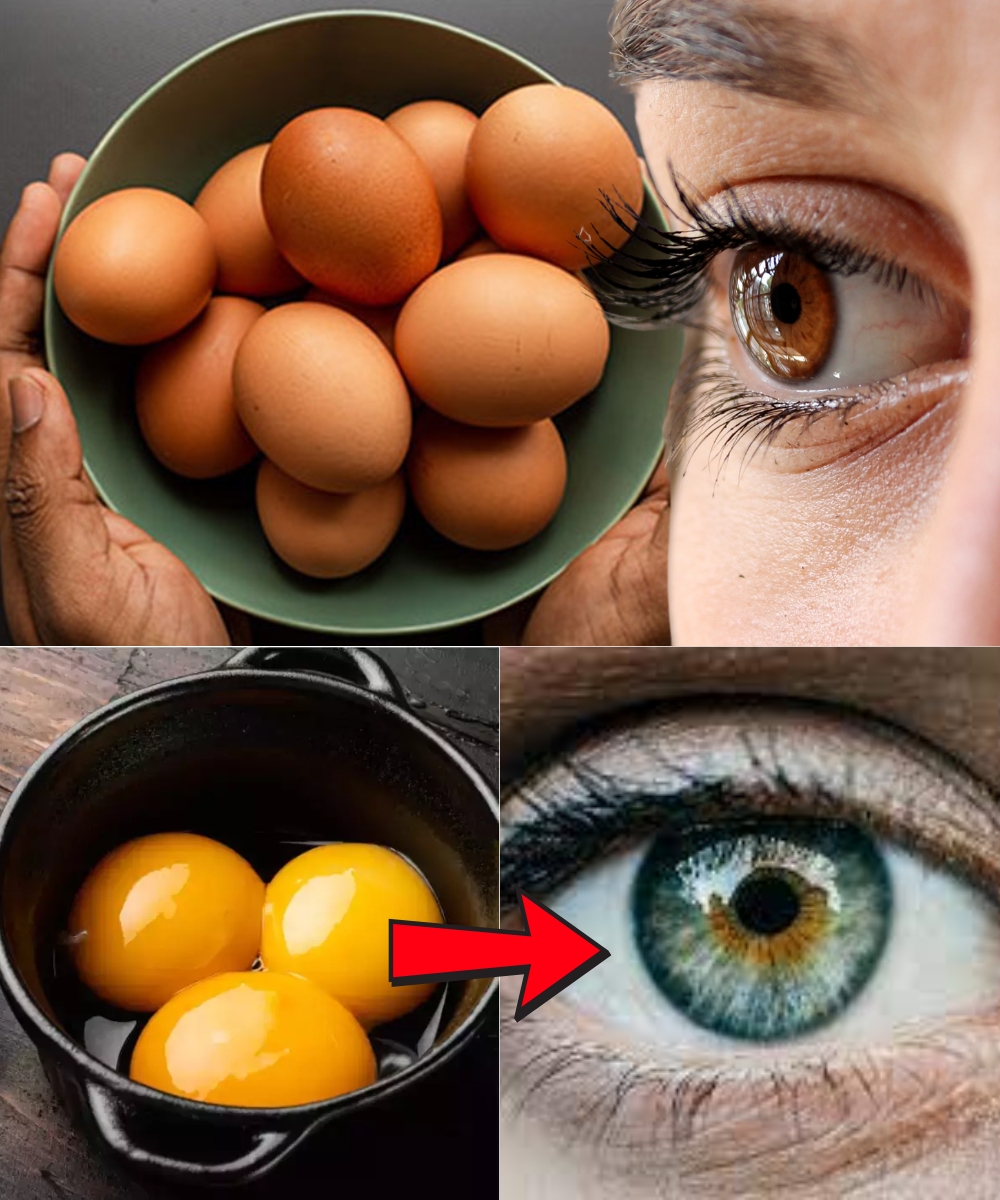
Eggs are a nutritional powerhouse for maintaining healthy eyes and preventing common eye conditions. The combination of nutrients found in eggs—lutein, zeaxanthin, vitamin A, vitamin E, vitamin D, zinc, and omega-3 fatty acids—helps protect the eyes from oxidative damage, supports night vision, prevents age-related macular degeneration, and reduces the risk of cataracts.
By incorporating eggs into your diet regularly, you can nourish your eyes from the inside out and support long-term eye health. Whether you enjoy them boiled, scrambled, or in a smoothie, eggs are an easy and delicious way to keep your eyes healthy for years to come.
