ADVERTISEMENT
### Tips for a Healthy Sourdough Starter
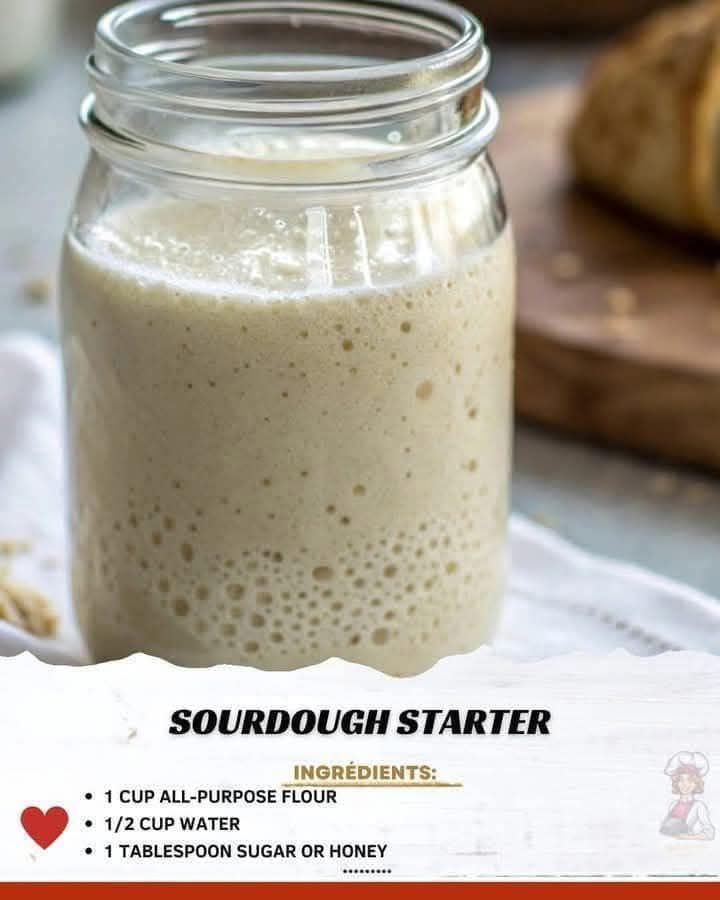
– **Consistency:** Your starter should be thick but pourable. If it’s too runny, add more flour; if it’s too thick, add more water.
– **Temperature:** Wild yeast thrives in warm environments. If your kitchen is cold, try placing your starter in a warmer spot (like on top of the refrigerator) or use a heating pad.
– **Discarding:** The reason you discard half of your starter before feeding is to maintain a healthy balance. If you keep too much starter, it will become sluggish and may not rise well.
– **Smell:** A good sourdough starter should smell sour but not rotten. If it has a strong, unpleasant odor, it may be contaminated and should be discarded.
Once your starter is healthy and bubbly, you can use it to bake delicious sourdough bread, pancakes, waffles, crackers, and more! Simply reserve the amount of starter you need for your recipe and continue feeding the rest.
### Troubleshooting Your Sourdough Starter
– **Starter Isn’t Rising:**
If it’s not rising, try increasing the frequency of feedings or changing the type of flour you’re using.
### Conclusion
With your starter in hand, you can enjoy the beauty of homemade sourdough bread anytime, knowing that it’s crafted with love, wild yeast, and a little bit of kitchen magic. Happy baking!
