ADVERTISEMENT
**Should You Rinse Ground Beef? Debunking the Myths and Exploring the Facts**
### The Rationale Behind Rinsing Ground Beef
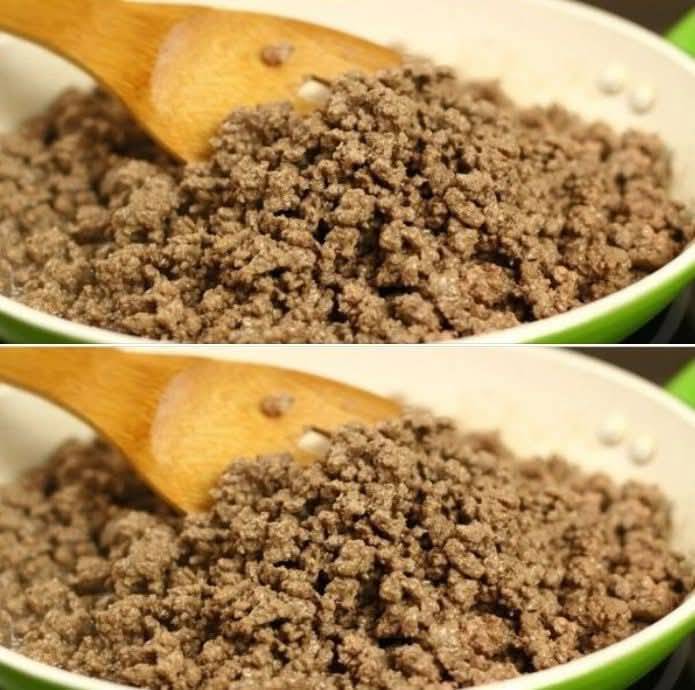
The concept of rinsing ground beef usually stems from the desire to remove fat. Fat plays a significant role in flavor, but sometimes you might want to reduce the fat content in a recipe—whether for health reasons or simply for a leaner dish. The idea is that after browning your ground beef, rinsing it under hot water will help to wash away some of the fat that’s rendered during cooking, resulting in a leaner meat that’s lower in calories.
### Why You Should *Not* Rinse Ground Beef
#### 1. **Loss of Flavor**
Fat is an essential component in cooking, especially in dishes that rely on ground beef. It adds richness, moisture, and flavor to the meat. When you rinse ground beef, you’re likely removing much of this fat, leaving behind a drier, less flavorful product. The fat in ground beef also carries some of the beef’s natural juices and seasonings, which contribute to the overall taste of your dish.
#### 2. **Nutrient Loss**
Ground beef contains important nutrients such as **iron**, **zinc**, and **B vitamins**. When you rinse the meat, you could potentially wash away some of these nutrients along with the fat. Although the nutrient loss is minimal, it’s still something to consider when deciding whether or not to rinse your ground beef.
#### 4. **Risk of Bacteria Spreading**
Rinsing raw meat is not recommended by the **USDA** or the **FDA**. While rinsing ground beef may seem like a good way to clean it, it can actually increase the risk of cross-contamination in your kitchen. Water splashing around your sink can carry bacteria from the meat onto countertops, utensils, and other foods. Ground beef is already cooked to a safe temperature during the browning process, so there’s no need to rinse it for cleanliness.
If your goal is to reduce the fat content without sacrificing flavor, there are other methods you can try:
