ADVERTISEMENT
#### 1. **Preheat the Oven and Prepare the Pans**:
– Start by preheating your oven to 350°F (175°C). This ensures the cake bakes evenly and thoroughly.
– Grease and flour two 9-inch round cake pans. Alternatively, you can line them with parchment paper circles for easy removal once baked.
#### 2. **Mix the Dry Ingredients**:
– In a medium-sized bowl, whisk together the all-purpose flour, baking powder, and salt. This ensures that the leavening agents are evenly distributed throughout the flour, which helps the cake rise beautifully during baking.
#### 4. **Add the Eggs and Vanilla**:
– Add the eggs one at a time, beating well after each addition. This helps ensure the eggs are fully incorporated into the butter mixture.
– Add the vanilla extract and mix until just combined.
#### 5. **Alternate Adding the Dry Ingredients and Milk**:
– Reduce the mixer speed to low. Gradually add the dry ingredients (flour mixture) in three additions, alternating with the milk. Start with a third of the dry ingredients, followed by half of the milk, and repeat until all the flour and milk are added. Mix each addition until just combined—be careful not to overmix, as this can result in a dense cake.
#### 7. **Bake the Cake**:
– Place the pans in the preheated oven and bake for about 25-30 minutes, or until a toothpick inserted into the center of the cakes comes out clean or with just a few crumbs attached.
– Keep an eye on the cakes as they bake to ensure they don’t over-brown.
#### 9. **Frost and Decorate**:
– Once the cakes have cooled, it’s time to frost and decorate! You can spread your favorite frosting (like buttercream, cream cheese frosting, or whipped cream) between the layers and on top. For a simple but elegant touch, add some fresh berries, chocolate shavings, or sprinkles.
– For a more sophisticated presentation, you can pipe the frosting into decorative patterns on top of the cake.
– **Use Room Temperature Ingredients**: Make sure your butter, eggs, and milk are at room temperature before starting. This helps the ingredients combine more easily and results in a smoother batter.
– **Don’t Overmix the Batter**: Overmixing can develop the gluten in the flour, leading to a denser, heavier cake. Mix the ingredients until just combined for the fluffiest texture.
– **Sift the Dry Ingredients**: Sifting the flour, baking powder, and salt ensures that no clumps form, giving you a smooth and even batter.
– **Check Cake Doneness**: Oven temperatures can vary, so start checking your cake around the 25-minute mark. A toothpick or cake tester should come out clean when the cake is done. If the cake is still wet, give it another 5 minutes and check again.
– **Customize the Flavor**: You can experiment with flavoring your vanilla cake with a dash of almond extract, citrus zest (like lemon or orange), or even a splash of rum for a unique twist.
### Variations of Vanilla Cake
### Conclusion: A Timeless Classic
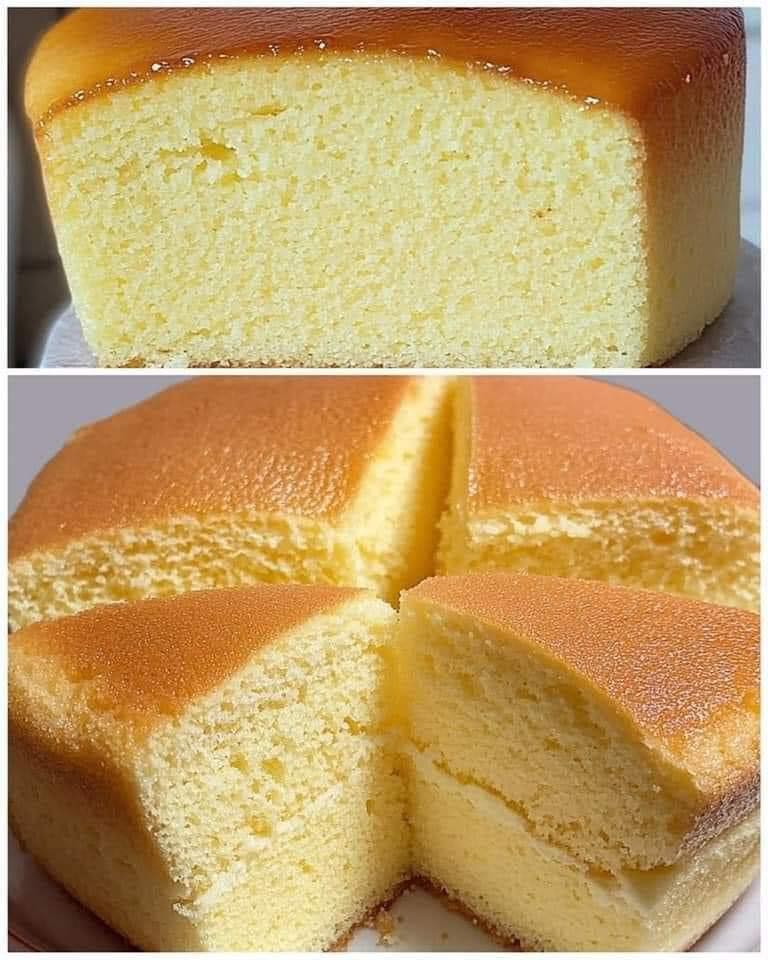
This **vanilla cake recipe** is simple, delicious, and perfect for any occasion. Its light, airy texture and subtle sweetness make it the ideal base for any frosting or filling you desire. Whether you’re hosting a birthday party, preparing a family dinner, or treating yourself to a homemade dessert, this cake will never disappoint. The beauty of a classic vanilla cake lies in its versatility, making it a beloved favorite that everyone can enjoy.
