ADVERTISEMENT
#### 1. Preparing the Steak:
Start by taking your ribeye steaks out of the fridge about 30-45 minutes before cooking. Allowing the steaks to come to room temperature ensures even cooking and helps achieve that perfect sear. Pat the steaks dry with paper towels to remove any excess moisture, which helps the steak form a nice crust when cooked.
Generously season both sides of the steak with kosher salt and freshly ground black pepper. Don’t be afraid to add a good amount of seasoning—the ribeye’s rich flavor will shine through, and the seasoning will help create a delicious crust.
#### 3. Cooking the Ribeye:
**For Pan-Seared Ribeye:**
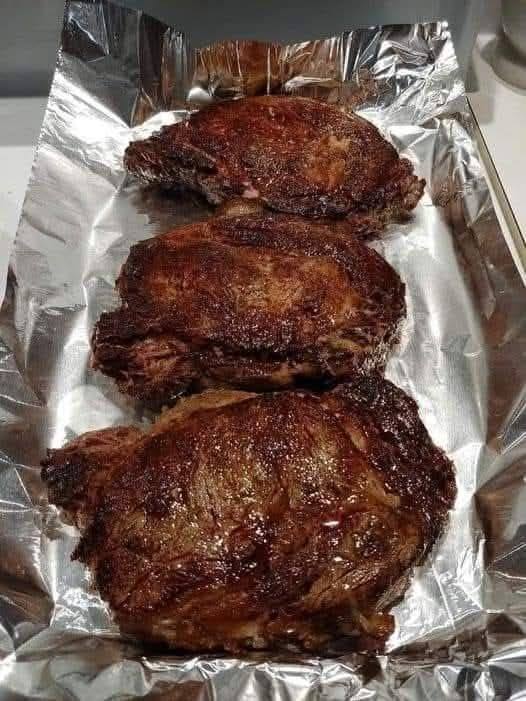
Once the pan is hot, add the olive oil and swirl it to coat the bottom. Place the steaks in the pan, making sure not to overcrowd them. Let them sear without moving them for 3-4 minutes (for a medium-rare steak). You should hear a sizzling sound as the steak begins to form a golden-brown crust.
Flip the steaks over and reduce the heat to medium. Add the butter, garlic cloves, and fresh herbs (rosemary or thyme) to the pan. As the butter melts, tilt the pan slightly and spoon the melted butter over the steaks repeatedly. This process, known as basting, adds extra flavor and helps the steak cook evenly.
**For Grilling Ribeye:**
If you’re grilling, place the steaks directly on the preheated grill grates. Grill the steaks for about 4-5 minutes per side for medium-rare, or 6-7 minutes per side for medium, depending on the thickness of the steaks and the heat of the grill. You can also use the same basting technique with butter and herbs if you prefer.
#### 5. Serving:
Before serving, you can finish your ribeye with a squeeze of fresh lemon juice or a sprinkle of finishing salt for an extra layer of flavor. Slice against the grain if you’re serving it sliced, or simply enjoy it whole with your favorite sides. The ribeye is rich enough to stand alone, but it pairs wonderfully with mashed potatoes, grilled vegetables, or a fresh salad.
– **Don’t Overcook It:** Ribeye is best served medium-rare or medium to preserve its juiciness and tenderness. Overcooking can lead to a tougher steak.
– **Use a Meat Thermometer:** For precise cooking, a meat thermometer can ensure your steak is cooked to perfection. Aim for 130-135°F for medium-rare, and 140-145°F for medium.
– **Let the Steak Rest:** Let your steak rest after cooking to lock in the juices. A rested ribeye will be much juicier and more flavorful.
– **Experiment with Seasonings:** While salt and pepper are classic, feel free to experiment with garlic powder, onion powder, or smoked paprika to customize the flavor profile.
– **Get the Right Cut:** Whether you choose bone-in or boneless, make sure the ribeye is at least 1 ½ to 2 inches thick. A thicker steak allows for better control over cooking and creates that perfect sear.
### Why You’ll Love This Ribeye Steak Recipe:
### Final Thoughts:
There’s no better way to enjoy the richness of ribeye than by cooking it to perfection. Whether pan-seared or grilled, this ribeye steak recipe brings out the best in this flavorful cut of beef. Paired with butter, herbs, and garlic, every bite will melt in your mouth, making this a steak recipe you’ll return to time and time again.
