ADVERTISEMENT
**How to Preserve Parsley: The Tricks That Really Work**
Whether you grow your own parsley or buy it from the store, learning how to preserve it will allow you to reduce waste, save money, and always have fresh parsley on hand for your culinary needs. In this article, we’ll explore several methods for preserving parsley that really work.
### 1. **Freezing Parsley: The Ultimate Preservation Method**
#### How to Freeze Parsley:
– **Step 1:** Start by washing the parsley thoroughly to remove any dirt or pesticides.
– **Step 2:** Dry the parsley completely using a clean towel or a salad spinner. Removing excess moisture will help prevent ice crystals from forming during freezing.
– **Step 3:** Remove the leaves from the stems. You can either pluck them by hand or use kitchen shears to snip them off.
– **Step 4:** Chop the parsley if you prefer smaller pieces, or leave the leaves whole if you plan to use them for garnishing.
– **Step 5:** There are two popular methods for freezing parsley:
– **Freezing in Bags:** Place the chopped or whole parsley in a freezer-safe bag or airtight container. Remove as much air as possible before sealing it tightly. Label the bag with the date for easy reference.
– **Freezing in Ice Cube Trays:** For a more convenient portion size, place chopped parsley in an ice cube tray. Fill each compartment with parsley and top it off with a little water or olive oil. Once frozen, transfer the parsley cubes to a resealable bag. This method works especially well for cooking because you can simply pop a cube or two into your dish.
**Pro Tip:** Freezing parsley in olive oil is ideal for maintaining its fresh flavor and adding an extra depth of taste to your cooking. Olive oil helps protect the parsley from freezer burn and makes it easy to incorporate into dishes like stir-fries and sauces.
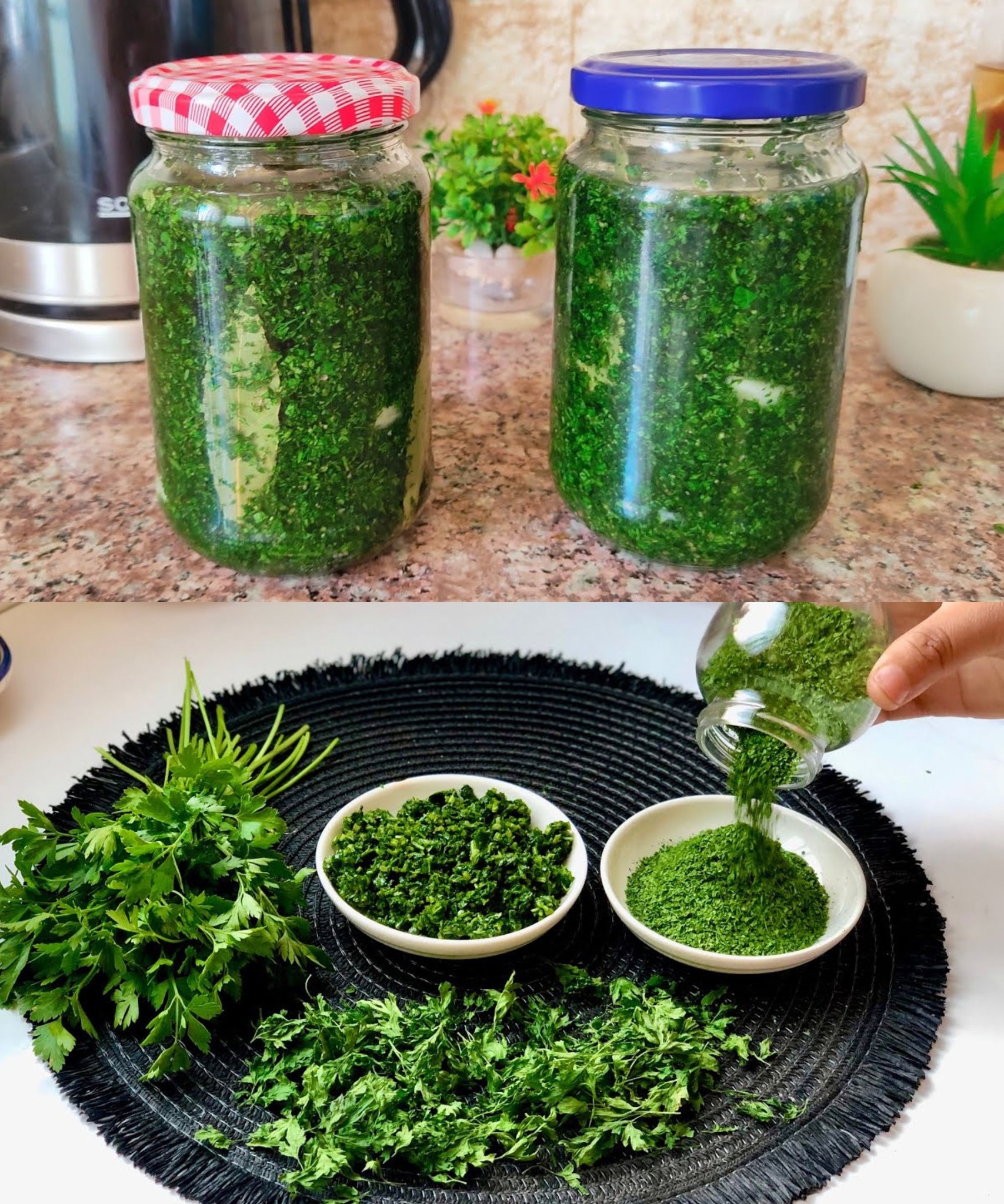
Drying parsley is another effective way to preserve it for long-term storage. While dried parsley won’t have the same vibrant flavor as fresh parsley, it can still be used in cooking, especially in soups, stews, and marinades. The drying process removes moisture, which helps to prevent spoilage.
How to Dry Parsley:
– **Step 1:** Wash and dry the parsley thoroughly. As with freezing, remove any dirt or debris.
– **Step 2:** Remove the leaves from the stems. You can dry both the leaves and stems, but the leaves are more flavorful, so it’s best to use them.
– **Step 3:** Use one of these methods to dry the parsley:
– **Air Drying:** Tie a bundle of parsley with a string and hang it upside down in a warm, dry place with good airflow. Avoid direct sunlight, as it can cause the leaves to lose color. It can take anywhere from 1 to 2 weeks for the parsley to dry fully.
– **Oven Drying:** Place the parsley in a single layer on a baking sheet. Set your oven to the lowest temperature (usually around 180°F or 80°C) and leave the oven door slightly ajar to allow moisture to escape. Check the parsley every 30 minutes, and remove it once the leaves are completely dry and crumble easily.
– **Dehydrator Drying:** If you have a food dehydrator, this is the quickest method. Simply spread the parsley in a single layer on the dehydrator trays, set the temperature according to the manufacturer’s instructions (usually around 95°F or 35°C), and dry for several hours until fully crisp.
– **Step 4:** Once dry, crush the leaves and store them in an airtight container, preferably a glass jar, away from light. For best flavor, use within 6 months to a year.
For Complete Cooking STEPS Please Head On Over To Next Page Or Open button (>) and don’t forget to SHARE with your Facebook friends
