ADVERTISEMENT
#### 6. **Rinse with Clean Water**
After cleaning with soapy water or baking soda, rinse the gasket with a clean damp cloth to remove any residue. Ensure you wipe off all soap or cleaning paste to avoid leaving any behind.
#### 7. **Disinfect with Vinegar (Optional)**
If you’re concerned about bacteria or mold, you can spray the gasket with a mixture of equal parts white vinegar and water. Vinegar is a natural disinfectant and can help kill bacteria or mold. Let it sit for a minute before wiping it away with a clean cloth.
#### 9. **Condition the Gasket (Optional)**
To keep the rubber from cracking or becoming brittle, you can apply a small amount of vegetable oil or a silicone-based conditioner to the gasket. This will help maintain its flexibility and longevity. Simply rub the oil on the gasket with a clean cloth, ensuring it’s evenly distributed. Wipe off any excess oil.
#### 10. **Check the Seal**
Once the gasket is clean and dry, close the refrigerator door and check the seal. Press gently on different sections of the gasket to make sure the door is sealing tightly. A tight seal is crucial for maintaining the fridge’s temperature and energy efficiency.
### Additional Tips for Maintaining the Refrigerator Gasket
—
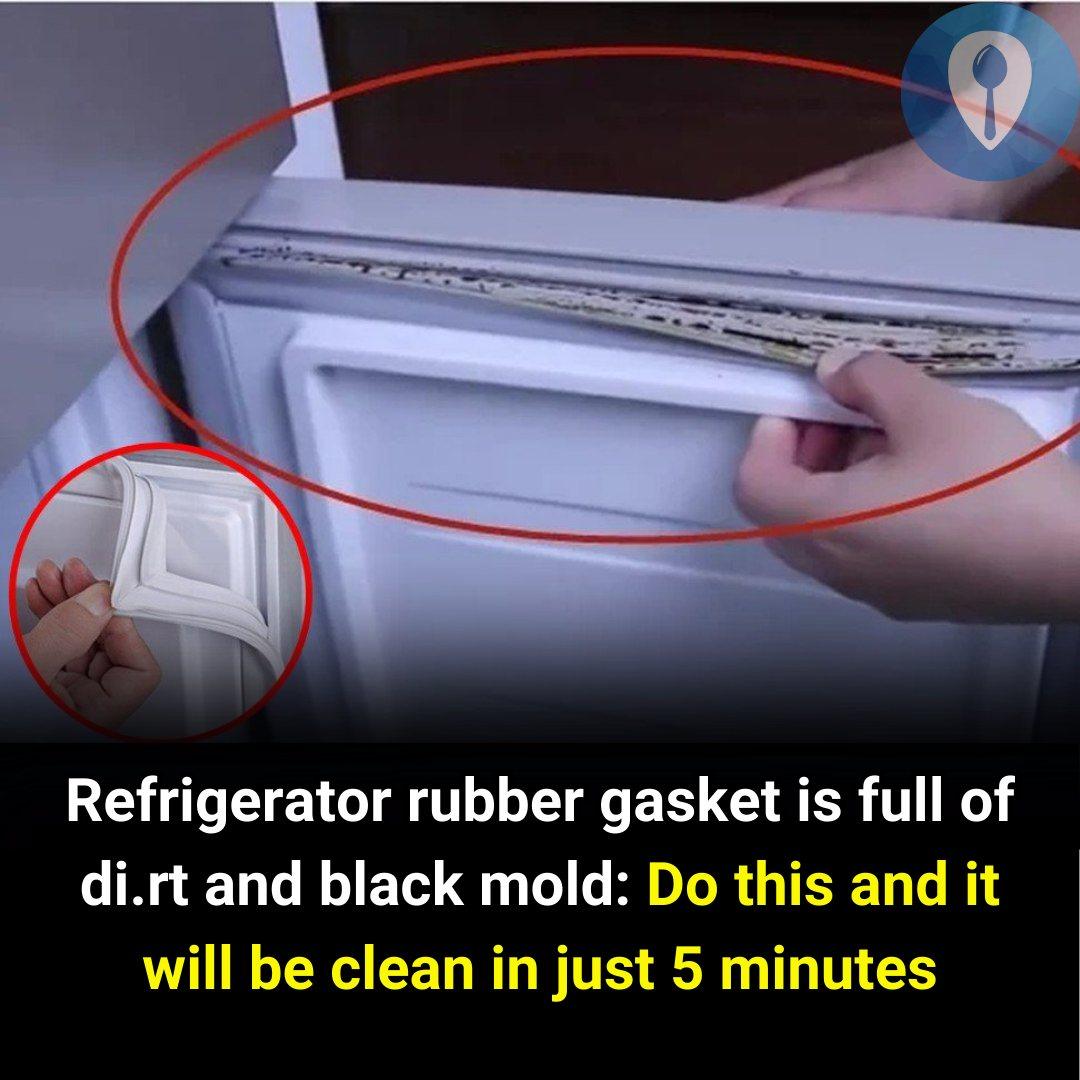
Cleaning the refrigerator rubber gasket is a simple but important task that can improve the performance of your fridge and prolong its life. By following these steps, you can ensure that your refrigerator door seals tightly, keeping cold air in and warm air out—ultimately saving energy and keeping your food fresh.
With regular maintenance and a little elbow grease, your fridge will run more efficiently and stay in tip-top shape for years to come.
