ADVERTISEMENT
Why Only Some Coins Have Ridges
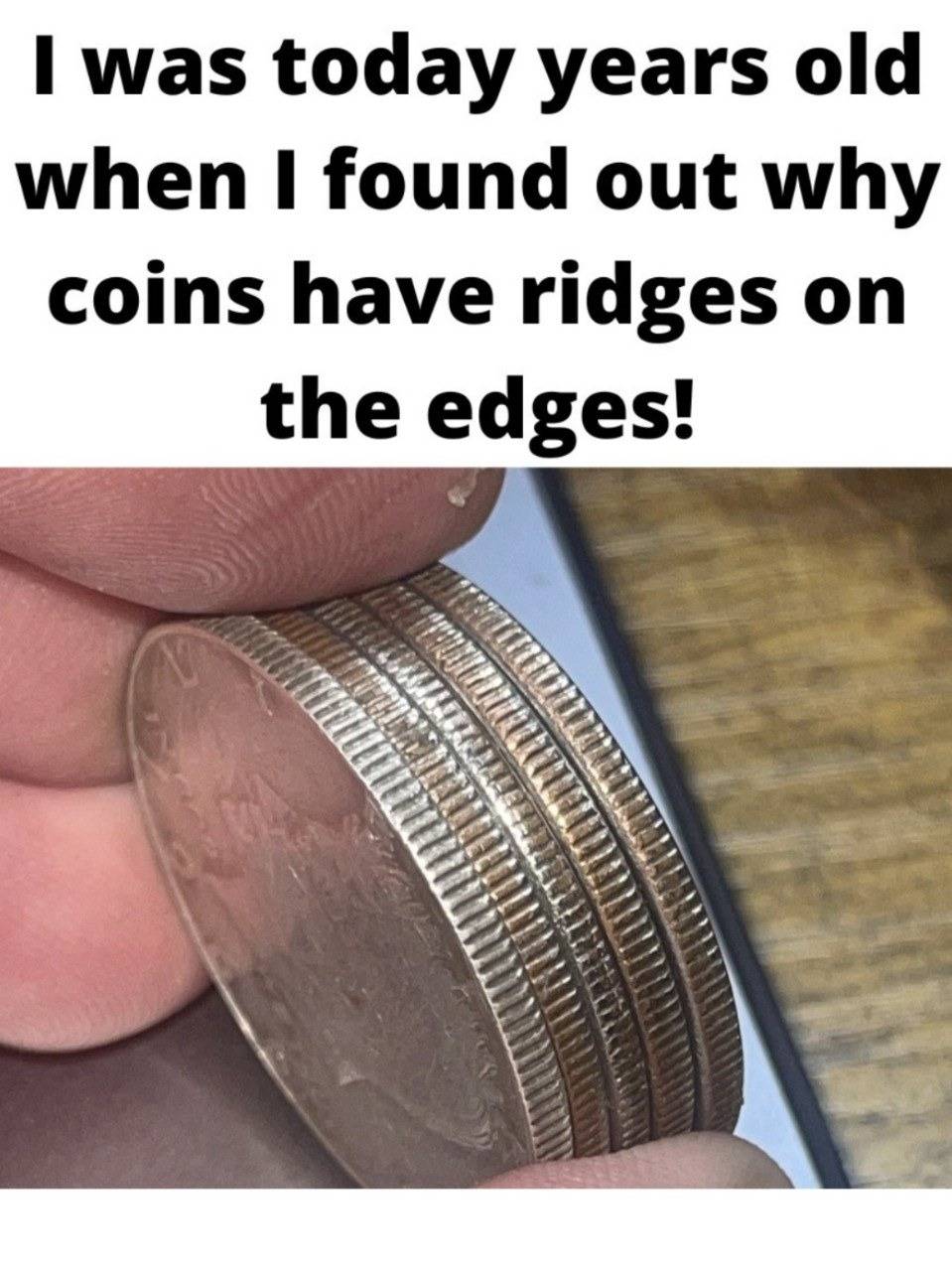
- Dimes and quarters have ridged edges because they were traditionally made with silver and held higher value. Protecting these coins was essential.
- Pennies and nickels are smooth because they contain less valuable metals, so the risk and impact of clipping were lower.
- Modern coins use different materials and production techniques, but the ridges remain as a nod to tradition and a tactile aid for the visually impaired.
More Than Just History: Practical Uses Today
Besides preventing fraud, the ridges on coins serve a few other purposes:
- Help the visually impaired identify coins by touch — different coins have different ridge patterns or smooth edges.
- Enhance grip — the texture makes coins easier to handle and less likely to slip out of your fingers.
- Maintain tradition and design consistency in currency.
Fun Fact: The Term “Reeding”
Final Thoughts
Next time you hold a dime or quarter, take a moment to run your finger along those tiny ridges. You’re touching a clever solution designed centuries ago to protect the value of money and maintain trust in the economy.
Those little grooves tell a big story — a story about innovation, security, and the evolution of currency that still shapes the coins we use today.
