ADVERTISEMENT
2. Damaged or Misaligned Drain Pan
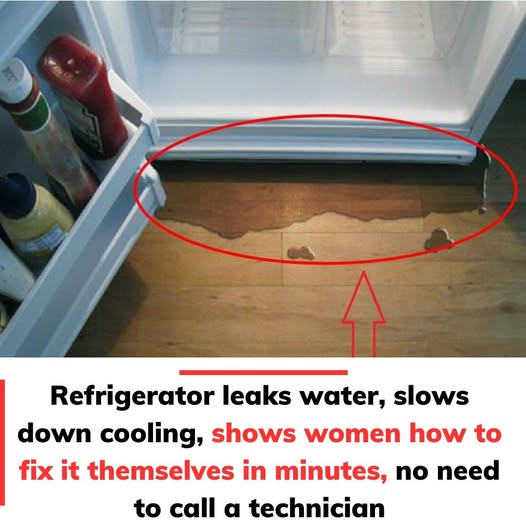
Water from defrosting normally collects in a drip pan at the bottom of the fridge, where it evaporates. If the pan is cracked, loose, or missing, that water will leak out.
- Water on the floor beneath the fridge
- Visible damage or misalignment to the drain pan
What to do:
- Pull out the pan and inspect it
- Clean it and reinsert securely
- Replace if cracked or warped
3. High Humidity or Door Left Open
Warm, moist air entering the fridge or freezer can condense and cause puddles — especially during hot or humid weather.
- Foggy interior
- Water droplets inside the fridge
- Items near the door feel warm
What to do:
- Make sure doors close tightly
- Don’t overload the fridge
- Avoid leaving the door open for long periods
4. Leaky Water Line (If You Have a Water/Ice Dispenser)
If your fridge has a built-in water or ice dispenser, a cracked or loose water line can leak.
- Water around the back of the fridge
- Ice maker not working properly
What to do:
- Turn off water supply to the fridge
- Inspect tubing for leaks, cracks, or loose fittings
- Replace or tighten as needed
❄️ Part 2: Why Is My Fridge Cooling Slowly?
1. Dirty Condenser Coils
Dusty coils can’t release heat efficiently, causing the compressor to overwork and the fridge to undercool.
- Warm fridge but cold freezer
- Constant compressor noise
What to do:
- Unplug fridge
- Locate coils (usually behind or underneath)
- Vacuum or brush thoroughly
👉 Clean every 6 months to keep your fridge running efficiently.
2. Blocked Air Vents
What to look for:
- Items freezing in the fridge
- Uneven cooling zones
What to do:
- Don’t pack food tightly
- Avoid placing items in front of air vents
- Make sure freezer vents aren’t iced over
3. Faulty Door Seals (Gaskets)
What to look for:
- Warm spots inside
- Door doesn’t “suck shut”
- Visible cracks or gaps in rubber seal
- Clean seals with soapy water
- Test with a dollar bill (if it slides out easily, seals are worn)
- Replace gaskets if necessary
4. Thermostat or Control Board Problems
Sometimes, the issue is electronic: your fridge isn’t trying to get cold enough.
What to look for:
- No response to temp setting changes
- Compressor isn’t turning on
What to do:
- Try resetting the fridge (unplug for 10 minutes)
- If that fails, you may need professional diagnosis or part replacement
🧰 When to Call a Pro
If you’ve tried the basic fixes and your fridge is still leaking or not cooling properly, it’s time to call in an expert — especially if you notice:
- Unusual noises (clicking, buzzing, rattling)
- Frost buildup on the back wall
- Fridge runs constantly or not at all
- Food is spoiling quickly
A technician can test the thermostat, check refrigerant levels, inspect the compressor, and repair internal components safely.
✅ Final Takeaway
A leaking or poorly cooling refrigerator doesn’t always mean it’s broken — but it does mean it needs attention.
Here’s what to remember:
- Leaks? Check the defrost drain, drain pan, and water lines.
- Cooling issues? Clean the coils, check the vents, and inspect the door seals.
- Still stuck? Call a qualified repair tech before it turns into a bigger (and more expensive) problem.
