ADVERTISEMENT
11. When to Suspect Eczema, Psoriasis, or an Allergy
Persistent or severe skin issues might indicate an underlying condition such as eczema, psoriasis, or an allergic reaction. Eczema often presents as red, itchy patches of skin, while psoriasis is characterized by thick, scaly plaques.
If your symptoms include widespread rashes, intense itching, or if they don’t respond to standard treatments, it may be time to consider these conditions. A healthcare professional can provide a proper diagnosis and recommend targeted treatments.
12. Nutrition, Hydration, and Supplements That May Help Skin Heal
Proper nutrition and hydration are essential for maintaining healthy skin. Ensure you’re drinking enough water throughout the day to keep your skin hydrated from within. Incorporate foods rich in omega-3 fatty acids, such as fish and flaxseeds, to support skin health.
Consider supplements like vitamin E and biotin, which are known to promote skin integrity and repair. Always consult with a healthcare provider before starting any new supplement regimen.
13. Red-Flag Symptoms That Mean You Shouldn’t Wait for the Doctor
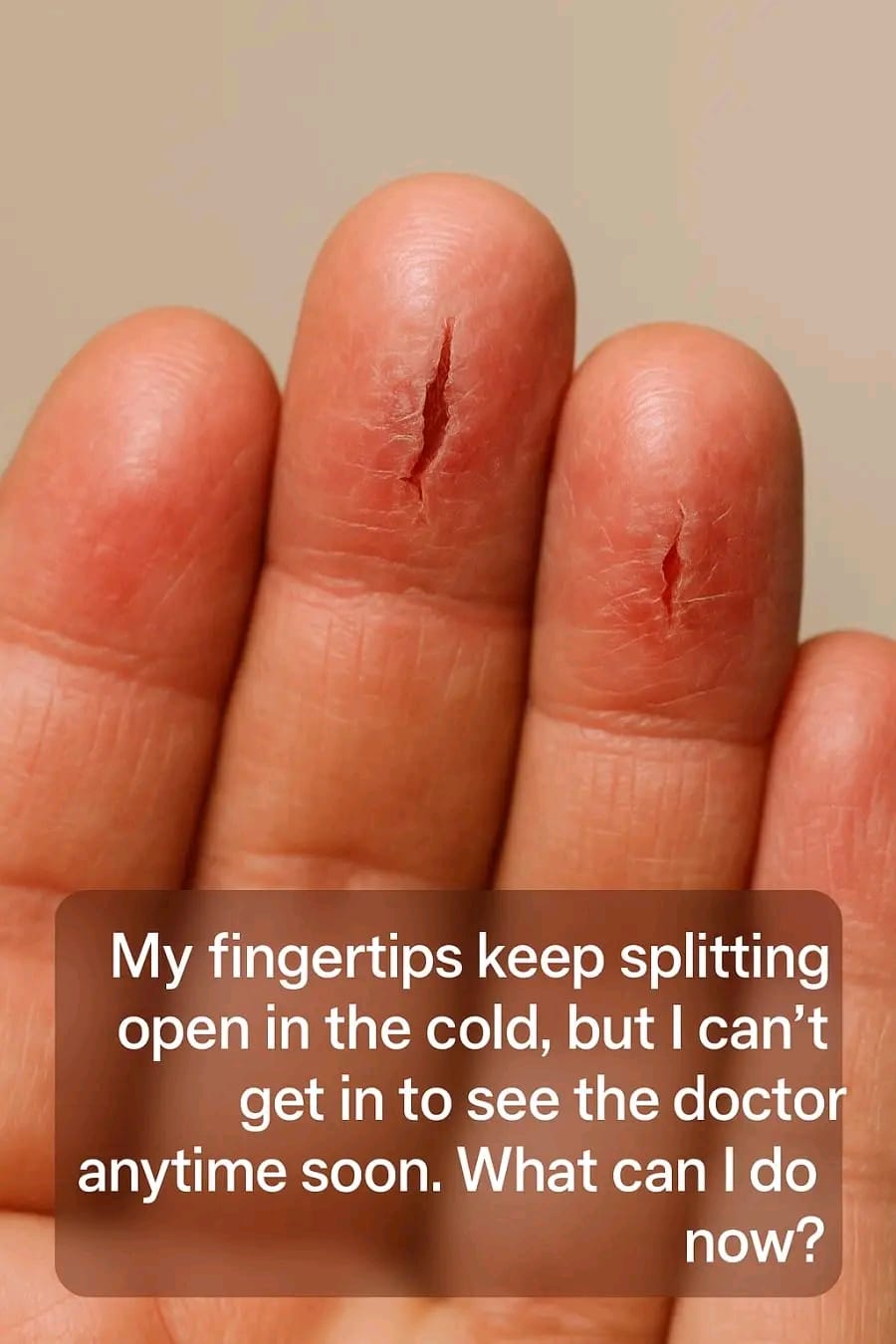
While split fingertips are typically manageable at home, certain symptoms warrant immediate medical attention. These include severe pain, significant swelling, or if the cracks are accompanied by fever or pus.
